Two Very Different Reactions: Market Divergence Triggered by the Hawkish Statement
AUD/USD Exchange Rate After the Decision
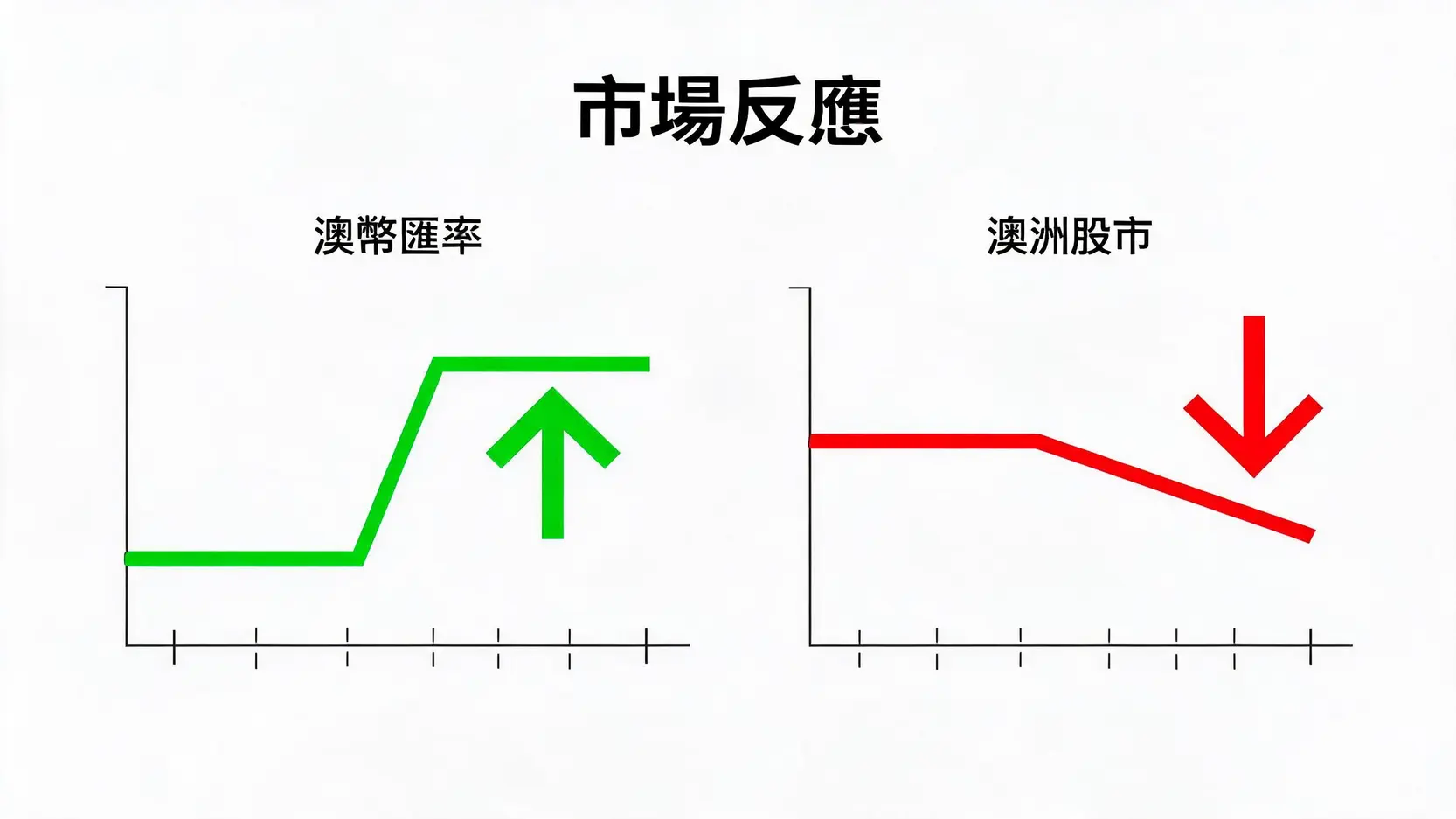
Immediately after the announcement, the Australian dollar (AUD/USD) briefly strengthened against the US dollar. This was because the market picked up on the “hawkish” tone of the statement and concluded that the RBA was more likely to raise interest rates again than cut them, providing support for the Australian dollar. However, because no immediate rate hike was announced, the Australian dollar later gave back part of its gains and moved into a range-bound pattern. Overall, the market believes the RBA’s hawkish stance will limit downside pressure on the Australian dollar in the short term.
Immediate Reaction of the Australian Stock Market (ASX 200)
The Australian stock market (ASX 200 Index) reacted more cautiously, edging slightly lower. On one hand, leaving interest rates unchanged eased concerns about an immediate rate hike, providing support for equities. On the other hand, the RBA’s indication that future rate hikes remain possible suggests corporate borrowing costs could stay elevated for longer, weighing on corporate earnings prospects. Balancing these factors, the market adopted a cautious wait-and-see approach. Learning more about investing in the Australian market can help you better identify investment opportunities.
Views From Major Banks and Economists
Economists from Australia’s four major banks (CBA, Westpac, NAB, and ANZ) generally viewed the RBA’s hawkish stance as “expected”. Most analysts believe the RBA’s next policy move will depend on the second-quarter CPI data due to be released in August. They expect that if inflation, particularly services inflation, exceeds expectations again, the likelihood of another rate hike at the August or September meeting will be very high. At present, the market generally believes the probability of an RBA rate cut before the end of 2026 is extremely low.
Key Difference: How Is This “Hold” Different From Previous Ones?
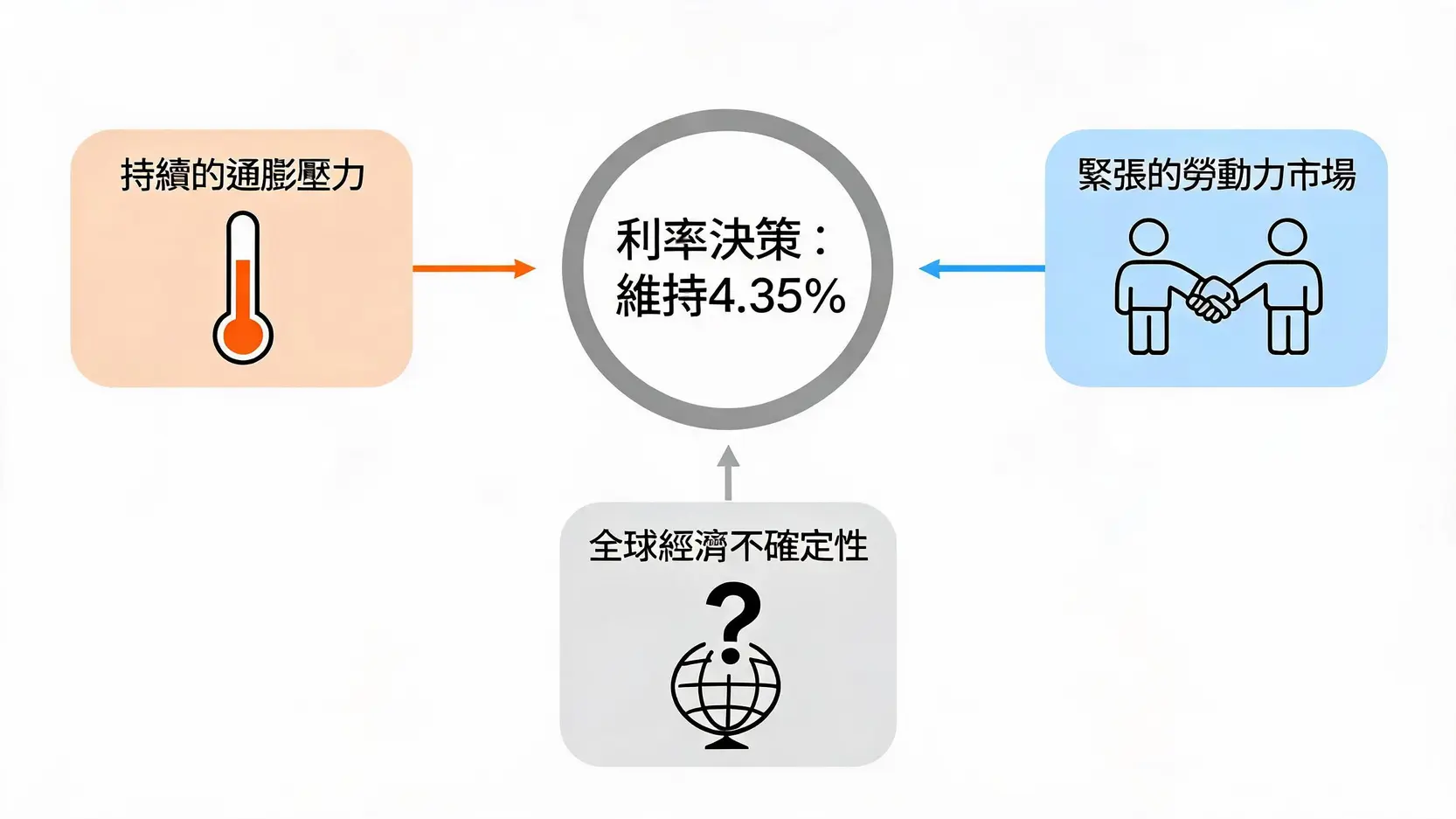
This decision to leave interest rates unchanged is fundamentally different from previous decisions over the past few months. Market sentiment has shifted from “waiting for rate cuts” to “preparing for potential rate hikes”. The key reason is the subtle but important change in the RBA’s policy stance.
A Closer Look at the “Hawkish Pause”: Keeping the Door Open for Future Rate Hikes
The core idea behind a “hawkish pause” is “preserving policy options”. Through its firm language, the RBA has sent a clear message to the market: do not expect rate cuts too soon, and instead prepare for the possibility of further rate hikes. This strategy helps anchor inflation expectations by discouraging consumers and businesses from increasing spending based on expectations of lower borrowing costs, thereby preserving the effectiveness of monetary policy.
The Statement Reflects a Strong Commitment to Fighting Inflation
Throughout the statement, the RBA repeatedly emphasized that it “will take the necessary measures” to return inflation to target. This shows that although higher interest rates may weigh on economic growth and employment, the RBA currently places greater priority on “controlling inflation” than “supporting growth”. This firm commitment is the central theme of the statement.
Comparing the Hawkish Stance of the Fed and the ECB
Compared with the European Central Bank (ECB), which has already begun cutting interest rates, and several other central banks, the RBA’s policy stance is clearly more aligned with that of the Federal Reserve (Fed). Both continue to face more persistent inflationary pressures than expected, leading them to remain highly cautious about easing monetary policy. This alignment with other major central banks also reflects the complexity and shared challenges of the current global inflation cycle.
Further Reading (Highly Recommended)
How Much Is a 25 Basis Point Rate Hike? A Complete Guide to Interest Rate Calculations, Definitions, and Their Impact on Your Finances
The Strong US Dollar Explained: Understanding the Drivers, Global Impact, and Investment Strategies
Conclusion
In summary, although the outcome of the RBA’s June interest rate decision was to leave interest rates unchanged, its hawkish stance should not be overlooked, as it introduces significant uncertainty regarding the future direction of monetary policy. This indicates that the RBA remains deeply concerned about inflation, and future policy decisions will depend heavily on upcoming economic data, particularly inflation and employment reports. For investors, mortgage holders, and the general public, this means the high-interest-rate environment may persist longer than expected. Before making any financial decisions, closely monitoring Australia’s next quarterly CPI data and labor market reports will be crucial to assessing the RBA’s next policy move.
FAQ
Q: When is the RBA’s next interest rate decision?
A: According to the Reserve Bank of Australia’s published schedule, the next monetary policy meeting and interest rate decision are expected to take place on August 10-11, 2026, with the decision scheduled for release on the afternoon of August 11. By then, the RBA will have access to the full second-quarter CPI inflation data, making this meeting particularly significant.
Q: Will this decision to leave interest rates unchanged affect my mortgage?
A: If you have a “variable-rate” mortgage, leaving interest rates unchanged means your monthly repayments will remain the same for now. However, because the RBA delivered a hawkish message, banks may anticipate higher funding costs in the future, although your repayments are unlikely to change in the short term. If you have a “fixed-rate” mortgage that is approaching expiry, you should prepare for the possibility of refinancing at a higher interest rate.
Q: How likely is the RBA to raise or cut interest rates in the future?
A: The market generally believes that the likelihood of a rate cut during 2026 is close to zero. The possibility of another rate hike depends entirely on the data. Most economists expect that if next quarter’s inflation data remains elevated, the probability of a rate hike will exceed 50%. Conversely, if inflation and employment data show a clear slowdown in the economy, the RBA is likely to keep interest rates unchanged and continue monitoring conditions.
Q: What exactly does the “Hawkish Pause” mentioned in this article mean?
A: A “Hawkish Pause” is a financial term describing a situation where a central bank decides not to raise interest rates at a particular meeting while expressing strong concerns about inflation in its statement or public remarks and making it clear that additional rate hikes remain possible. The purpose is to signal to the market that “we are only pausing, not ending the rate-hiking cycle”, preventing markets from becoming overly optimistic about future rate cuts.
Q: Which key economic data should I monitor as an individual investor?
A: To assess the RBA’s future policy direction, you should focus on two key indicators. The first is the “Consumer Price Index (CPI)”, the most direct measure of inflation, which is released quarterly. The second is the “labor market report”, including the unemployment rate and wage growth data, which is released monthly. These two indicators are the most important factors guiding the RBA’s monetary policy decisions.