How Much Is a One-Notch Rate Hike? A Complete Breakdown of Rate Conversion, Definitions, and the Impact on Your Wallet!
Have you ever been confused by financial terms like “a one-notch rate hike” or “a one-notch rate cut”? Not sure how the specific numbers are converted, let alone what impact they have on your wallet? This article will explain the definition of a one-notch rate hike, the conversion logic for one notch in interest rates, and through calculation examples of a one-notch rate hike, help you fully understand how interest rate changes affect your finances, so you can easily grasp central bank policy trends and say goodbye to interest rate myths.
What Is “One Notch”? The Basic Unit of Interest Rate Changes and Conversion Logic
In financial markets, when we talk about central banks adjusting interest rates, we often hear phrases like “a one-notch rate hike” or “a one-notch rate cut”. What exactly does this “one notch” mean, and how does it affect our financial lives? To understand these, we first need to start with the basic unit: the “notch”.
Definition of a One-Notch Rate Hike: From “Benchmark Rates” to the Origin of “Notch”
In financial terminology, “one notch” is equivalent to 0.25 percentage points. This unit is commonly used to describe the magnitude of a central bank’s adjustment to a benchmark interest rate. As for why it is called a “notch”, it is said to have originated from quoting conventions in the early US bond market, where a quarter was used as a unit, and “one notch” (quarter) became common usage.
Simply put, a benchmark interest rate is a “reference rate” set by a country’s central bank to control inflation or stimulate economic growth. Commercial banks then add or subtract spreads from this benchmark rate to form various deposit and lending rates. Therefore, each one-notch rate hike or one-notch rate cut by the central bank creates a chain reaction across the entire financial system.
One-Notch Interest Rate Conversion: The Relationship Between Percentage Points and Actual Changes
Since the definition of a one-notch rate hike is 0.25 percentage points, one-notch interest rate conversion is actually very straightforward. For example:
- A One-Notch Rate Hike: If the current benchmark interest rate is 1.5%, after a one-notch rate hike, it becomes 1.5% + 0.25% = 1.75%.
- A Two-Notch Rate Hike: If the benchmark interest rate moves up two notches from 1.5%, it becomes 1.5% + (0.25% x 2) = 2%.
- A One-Notch Rate Cut: If the current benchmark interest rate is 1.5%, after a one-notch rate cut, it becomes 1.5% – 0.25% = 1.25%.
Understanding this basis of one-notch interest rate conversion helps us quickly estimate the actual rate after a change. This plays a crucial role in evaluating personal investment instruments, especially financial products linked to interest rates.
A One-Notch Rate Hike and A One-Notch Rate Cut: The Double-Sided Impact on the Economy and Personal Finances
When a central bank adjusts interest rates, it is far from just a numbers game. It has substantial and far-reaching effects on the overall economy and on each of our wallets. Whether it is how much a one-notch rate hike is, or what a one-notch rate cut means, understanding the economic significance and personal impacts behind them is the foundation of sound financial planning.
One-Notch Rate Hike Calculation Examples: How Do Mortgage and Savings Rates Change? Explaining What a One-Notch Rate Cut Is and Its Impact.
🚀 The Impact of a One-Notch Rate Hike on You
When the central bank decides to raise rates by one notch, it means the cost of funds in the market increases. This directly affects the following areas:
- Mortgage Borrowers: If you have a home loan, especially a mortgage tied to a “variable rate”, a one-notch rate hike means your monthly repayment amount will increase. Here is a one-notch rate hike calculation example:
- Assume your outstanding mortgage balance is NTD 8 million, with an original rate of 2%.
- After a one-notch rate hike, the rate becomes 2.25% (2% + 0.25%).
- Using a 20-year mortgage as an example, the monthly repayment may increase from about NTD 40,400 to about NTD 41,200, an increase of about NTD 800 per month, which is NTD 9,600 a year. The higher the loan amount and the longer the remaining term, the greater the impact.
- Deposit Savers: For those who keep funds in the bank, a one-notch rate hike is usually good news. Banks will raise deposit rates, allowing your savings to earn higher interest income. Example: You have an NTD 1 million time deposit at the bank with an original annual rate of 1%. After a one-notch rate hike, the annual rate becomes 1.25%. Over a year, your interest income increases from NTD 10,000 to NTD 12,500, an increase of NTD 2,500.
- Investors: In a rate hike environment, higher corporate borrowing costs may affect profits. At the same time, higher deposit rates may lead some funds to shift from the higher-risk stock market to relatively steadier bank time deposits. Therefore, investment strategies need to be more cautious.
📉 What Is a One-Notch Rate Cut and What Is Its Impact?
What is a one-notch rate cut? As the name suggests, it means the central bank lowers the benchmark interest rate by 0.25 percentage points. The purpose of a rate cut is usually to stimulate the economy by encouraging businesses to expand investment and people to increase consumption. Its impact is exactly the opposite of a one-notch rate hike:
- Mortgage Borrowers: A one-notch rate cut reduces monthly repayments on variable-rate mortgages, easing repayment pressure.
- Deposit Savers: A one-notch rate cut lowers bank deposit rates, reducing interest income from deposits.
- Investors: In a rate cut environment, lower borrowing costs help support profit growth. Funds may also flow from low-rate time deposits into risk assets such as stocks and real estate, seeking higher investment returns.
Understanding what a one-notch rate cut is and its broad impacts can help us make decisions that better align with our financial goals across different interest rate cycles.
Frequently Asked Questions (FAQ)
Q: Why Does the Central Bank Adjust Interest Rates by “One Notch”?
A: The central bank adjusts interest rates mainly to maintain price stability and promote economic growth. When inflationary pressures are relatively high, the central bank may raise rates by one notch or more to increase funding costs and curb overheated economic activity and rising prices. Conversely, when the economy is weak, it may cut rates by one notch to reduce borrowing costs, stimulate investment and consumption, and drive economic recovery. Adjusting by “one notch” is intended to send a clear yet not overly drastic signal to the market, achieving precise policy calibration.
Q: What Impact Does a One-Notch Rate Hike Have on the Stock Market or the FX Market?
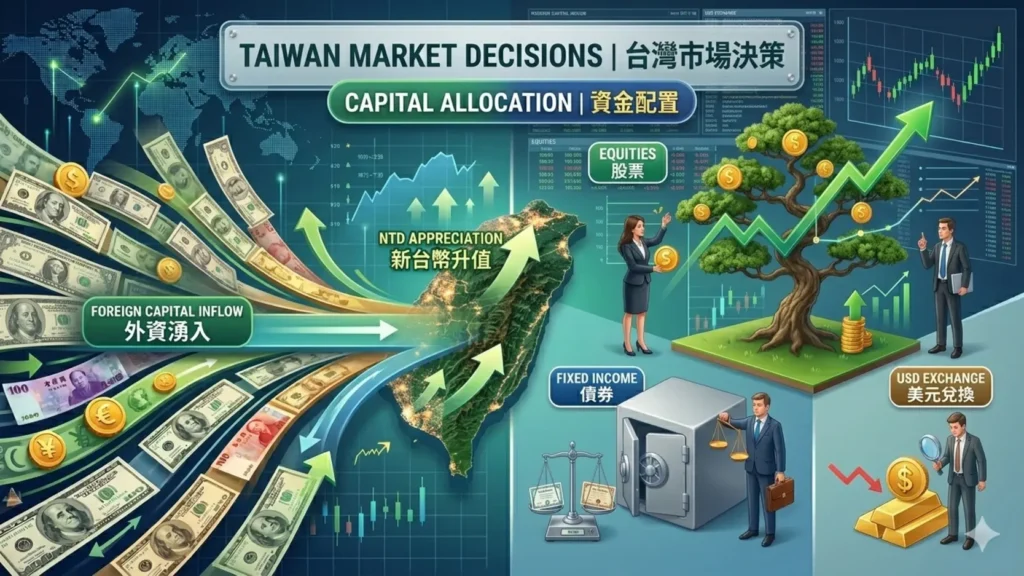
A: A one-notch rate hike is usually negative for the stock market because corporate borrowing costs increase, which may affect profits, and higher time deposit rates can attract some funds out of equities. For the FX market, a rate hike increases the attractiveness of that country’s currency relative to foreign currencies, potentially driving capital inflows and strengthening the exchange rate. However, if excessive rate hikes lead to an uncertain economic outlook, the effect may backfire. These impacts need to be considered in the context of the global economic environment.
Q: How Should Individuals Plan Their Finances During a Rate Hike Cycle?
A: In a rate hike cycle, personal financial planning should focus on “reducing debt costs” and “optimizing asset allocation”. First, review your loan situation and evaluate whether to repay high-interest debt early or negotiate a fixed rate with the bank. Second, prudently assess your portfolio and consider shifting part of your funds into investment instruments that can hedge inflation or benefit from rate hikes, such as short-term fixed-income products or high-dividend stocks. Most importantly, maintain adequate emergency funds and consult a professional financial advisor to develop an appropriate financial strategy.
Q: Besides Mortgages, What Other Loans Are Affected by a One-Notch Rate Hike?
A: Besides mortgages, other loans such as auto loans, personal credit, and corporate working capital facilities, as long as they are priced with variable interest rates, will be directly or indirectly affected by a one-notch central bank rate hike. Credit card revolving rates may also rise with market rate adjustments. Therefore, understanding the terms of your various loans is crucial to respond to interest rate changes in time.
Summary: Master “One-Notch” Interest Rate Changes and Become a Smart Money Manager
Through this article, we believe you now have a comprehensive and clear understanding of how much a one-notch rate hike is, the definition of a one-notch rate hike, one-notch interest rate conversion, and what a one-notch rate cut is. Whether you are facing mortgage pressure after a one-notch rate hike calculation, or investment opportunities brought by a one-notch rate cut, mastering these basic financial concepts enables you to make more informed financial decisions in a changing financial environment. Actively understand the economics behind central bank interest rate policy, regularly review your financial situation, and consult professional advice when necessary, so your use of funds can be more flexible and effective, and you can easily cope with future challenges.