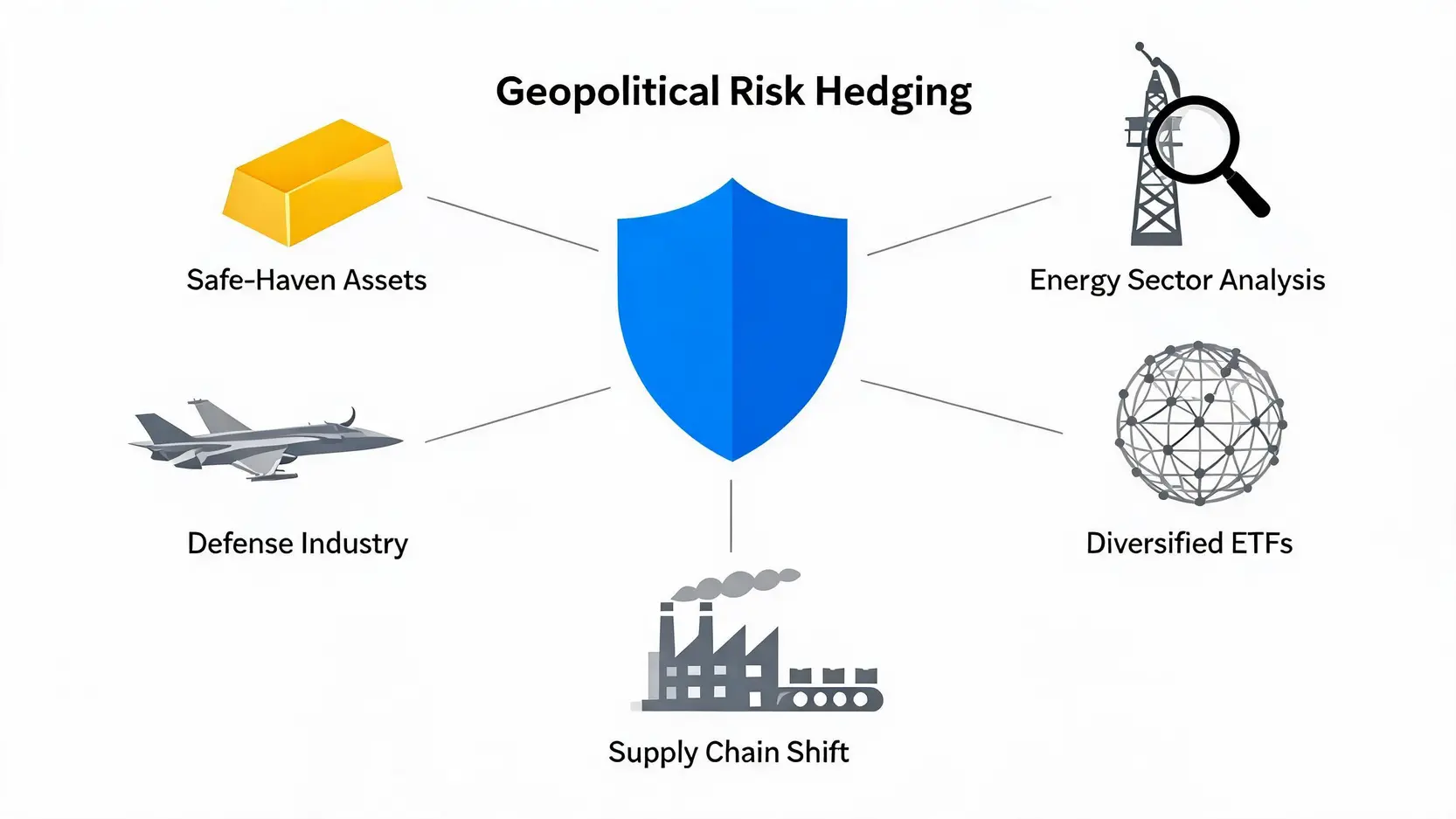
Five Major Investment Strategies for Building a Risk-Defensive Portfolio
Strategy 1: Increase Holdings of Traditional Safe-Haven Assets Such as Gold and the US Dollar
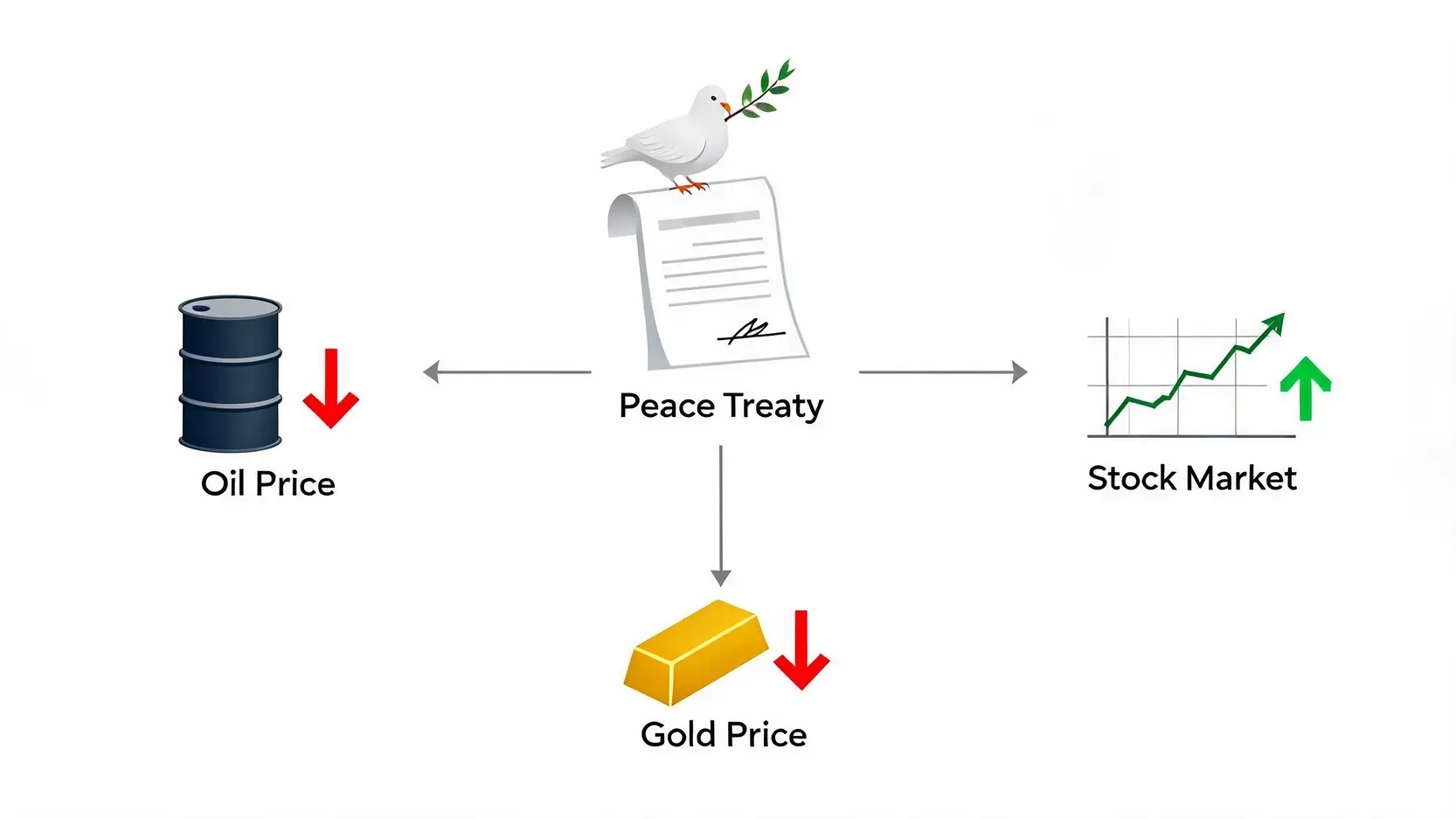
History has repeatedly shown that when political or military conflicts intensify, capital flows into assets regarded as “safe havens”. Although this ceasefire caused a temporary pullback in gold prices, it may also provide a buying opportunity on weakness. As long as the fundamental conflicts in the Middle East remain unresolved and the agreement itself remains fragile, the spark for the next conflict could ignite at any time. As a physical asset not tied to any single country, gold is one of the best tools for hedging against sovereign credit risk and inflation. In addition, the US dollar, as the world’s primary reserve currency, often strengthens during periods of market turbulence due to safe-haven demand. Moderately allocating these assets can provide critical stability to your investment portfolio. To gain a deeper understanding of gold investing, you may refer to Gold-Silver Ratio Investment Strategy: How to Calculate and Interpret It? Capturing the Best Gold and Silver Trading Opportunities.
Strategy 2: Carefully Evaluate the Short-Term Risks and Long-Term Opportunities of Energy Stocks
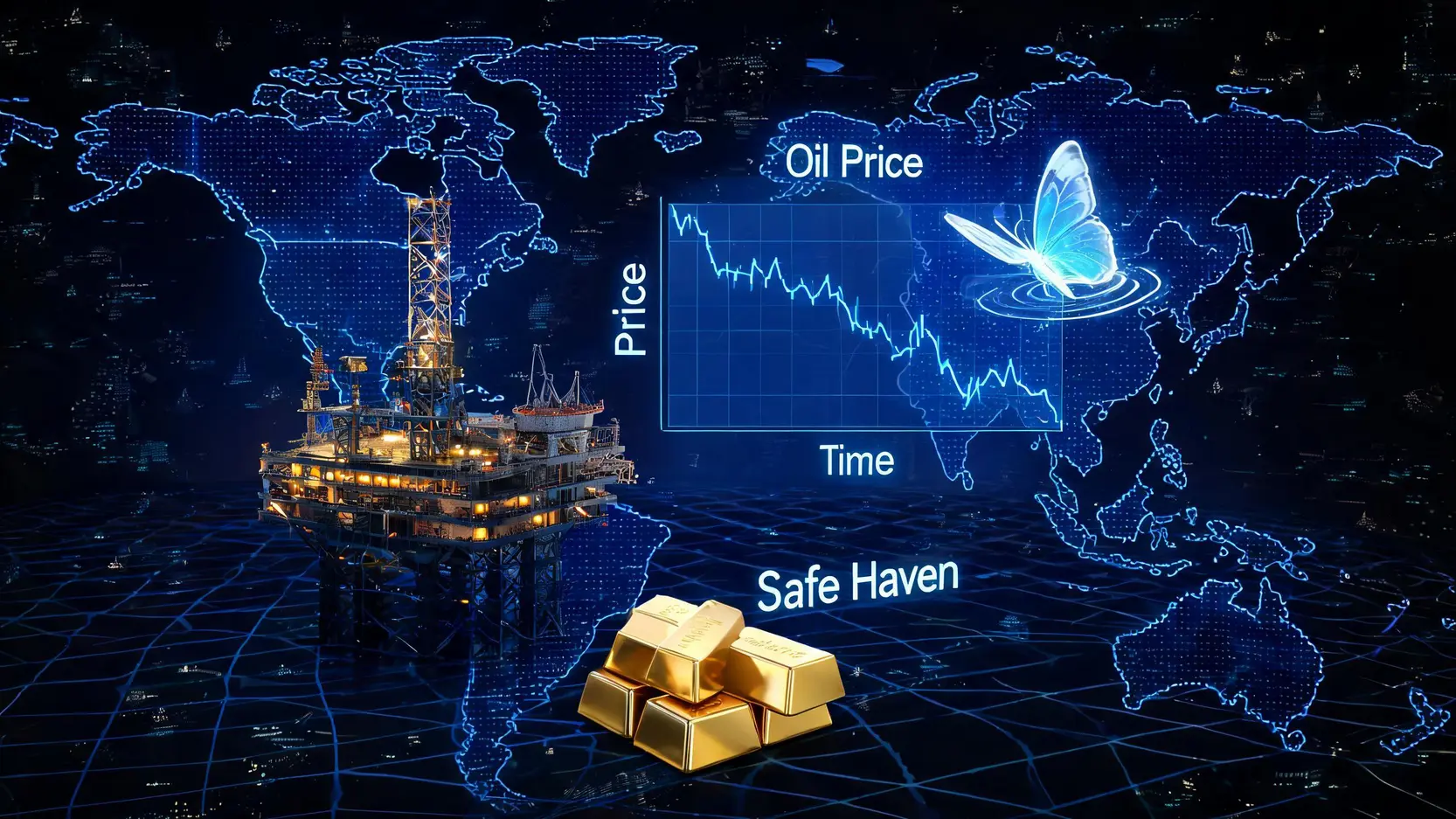
The sharp drop in oil prices is undoubtedly a short-term negative factor for energy stocks, especially upstream oil exploration companies whose profits are directly tied to oil prices. However, opportunities also emerge during crises. Investors can reassess the energy sector from the following perspectives:
- Identify high-quality companies: Choose industry leaders with low production costs, strong financial conditions, and ample cash flow. These companies are more resilient in a low oil price environment and may even use the opportunity to acquire weaker competitors and expand market share.
- Focus on downstream industries: Compared with upstream exploration, downstream industries such as refining and chemicals may actually benefit from lower raw material costs, potentially expanding profit margins.
- Long-term dividend value: Many major energy companies offer stable and high dividend yields. For investors seeking long-term cash flow, falling share prices may actually improve dividend yields, making it a good opportunity to establish long-term positions.
Strategy 3: Position in the Defense and Aerospace Supply Chain
“Peace is merely the interval between wars.” Although there is a temporary ceasefire, the global geopolitical landscape remains tense. Governments around the world are expected to continue increasing defense budgets due to concerns over future potential conflicts. This creates long-term structural benefits for the defense and aerospace supply chain. Areas worth monitoring include:
- Defense giants: Companies such as Lockheed Martin and Raytheon are major beneficiaries of defense contracts.
- Cybersecurity: Modern warfare is no longer limited to physical conflict. The importance of cyber warfare continues to grow, driving sustained demand for cybersecurity companies.
- Drone and surveillance technologies: These technologies play key roles in low-intensity conflicts and intelligence gathering, giving related companies strong growth potential.
Strategy 4: Use Diversified ETFs to Spread Single-Region Risk
The biggest characteristics of geopolitical risk are its suddenness and regional concentration. Concentrating all assets in a single country or region undoubtedly exposes investors to significant systemic risk. Investing through diversified ETFs (Exchange-Traded Funds) is one of the most effective and lowest-cost ways to address such risks.
- Global equity ETFs: For example, ETFs tracking the MSCI World Index, such as URTH, allow your investments to spread across thousands of companies in dozens of countries worldwide, effectively diversifying political risk from any single market.
- Regional ETFs: If you believe certain regions (such as North America or Europe) are relatively more stable, you may choose to allocate to ETFs focused on those regions, avoiding excessive concentration in politically tense areas.
- Sector ETFs: Beyond defense-related industries, ETFs focused on defensive sectors such as healthcare and consumer staples also tend to show stronger resilience during market volatility.
Further Reading (Highly Recommended)
The Complete Guide to S&P 500 Annual Returns: Data Analysis of Historical Returns and the Best US Stock ETF Investment Strategies
【2026 Gold Price Forecast】Will Gold Continue Rising? Experts Analyze the 3 Best Times to Buy Gold
Strategy 5: Focus on Potential Industries Benefiting From Supply Chain Restructuring
Geopolitical events such as the US-Iran conflict have accelerated the global emphasis on supply chain security, driving a shift from “efficiency first” to “security first”. This macro trend will create new investment opportunities. To avoid supply chain disruptions caused by political instability in a single region, companies are actively diversifying production capacity into politically more stable countries such as Mexico, Vietnam, and India. Industries expected to benefit from this trend include:
- Industrial automation and robotics: To rapidly establish production capacity in new manufacturing bases while reducing labor costs, demand for automation equipment is expected to surge.
- Regional logistics and warehousing: Regional supply chain hubs located closer to end markets will continue gaining strategic importance.
- Semiconductors and key component manufacturing: Governments worldwide are increasingly treating semiconductors as strategic resources and promoting localized production, creating growth opportunities for related equipment and material suppliers.
Frequently Asked Questions (FAQ)
Q: If the ceasefire agreement collapses again, what catastrophic impact could it have on oil prices?
A: If the agreement breaks down, market safe-haven sentiment will rapidly intensify. The most direct impact would be a retaliatory rebound in oil prices, with the previously faded “risk premium” quickly returning, potentially at even higher levels. If the conflict escalates to the point of blocking the Strait of Hormuz, global oil supply would face severe disruption, and oil prices could surge to historical highs within a short period. This would create serious inflationary shocks for the global economy and could potentially trigger an economic recession.
Q: As a retail investor, how should I adjust my portfolio to respond to geopolitical risks?
A: Retail investors should follow the core principles of “diversification” and “asset allocation”. First, review whether your portfolio is overly concentrated in a single country or industry. It is recommended to diversify risk through global ETFs or regional ETFs. Second, allocate a certain proportion of the portfolio (such as 5%-10%), to safe-haven assets such as gold ETFs or US dollar-denominated assets. Most importantly, avoid making irrational selling decisions due to short-term market panic and remain committed to your long-term investment plan.
Q: Besides oil and gold, what other commodities are worth watching during periods of turbulence?
A: During turbulent periods, aside from oil and gold, several other commodity categories are also worth monitoring. First are agricultural products such as wheat and corn, because conflicts may disrupt production and transportation in major grain-exporting countries, raising concerns over food security. Second are industrial metals such as copper and aluminum. Although their demand is linked to economic conditions, defense industries (including weapons and aircraft manufacturing) consume large amounts of these metals, meaning escalating conflicts could drive specific demand. Finally, natural gas is also worth attention, particularly in Europe, where prices are highly sensitive to geopolitical developments, (especially those related to Russia).
Q: Is this ceasefire a long-term positive for heavy fuel-consuming industries such as aviation and transportation?
A: In the short term, falling oil prices are indeed directly beneficial for industries such as airlines, shipping, and land transportation, because fuel is one of their largest operating costs. This helps improve corporate profit margins and may support stock price gains. However, whether this becomes a “long-term” positive remains highly uncertain. The long-term direction of oil prices is still influenced by OPEC+ policies and global economic conditions. If oil prices rise again in the future due to other factors, cost pressures on these industries will return. Therefore, when investing in these sectors, investors should not rely solely on short-term oil price fluctuations, but also evaluate management efficiency, market demand, and long-term competitiveness.
Conclusion
In summary, the impact of the US-Iran ceasefire extends beyond short-term market volatility. More importantly, it reveals how geopolitical risks are reshaping the global investment landscape. Smart investors must not only understand the direct impact of such events on international oil price trends, but also recognize the long-term trends they trigger, such as global supply chain restructuring and the renewed focus on national defense security. Adopting flexible and diversified investment strategies is the most effective way to navigate current market challenges. Investors should continue monitoring developments in the Middle East and regularly review whether their asset allocations possess sufficient resilience, allowing them to find stable returns amid constant uncertainty. Start evaluating your investment portfolio now and prepare thoroughly for the next major market shift.