2026 US Treasury Yield Guide: Trends & Strategies

Updated: 2026/07/13  |  CashbackIsland

us treasury bond yield guide

2026 Complete Guide to US Treasury Yields: Trend Analysis, Impact of Surging Yields, and Asset Allocation Strategies

In the rapidly changing global financial market, US Treasury yields have long been regarded as the most important benchmark for the risk-free rate. Entering 2026, amid recurring shifts in inflation expectations and dynamic adjustments to central bank monetary policies worldwide, closely monitoring US Treasury yield trends has become an essential daily task for every mature investor. Whether responding to market volatility or seeking stable fixed-income returns, developing a comprehensive US Treasury yield investment strategy will be a key factor in determining the long-term performance of an overall investment portfolio. 


What Are US Treasury Yields? Why Are They a Barometer for Investment Markets?

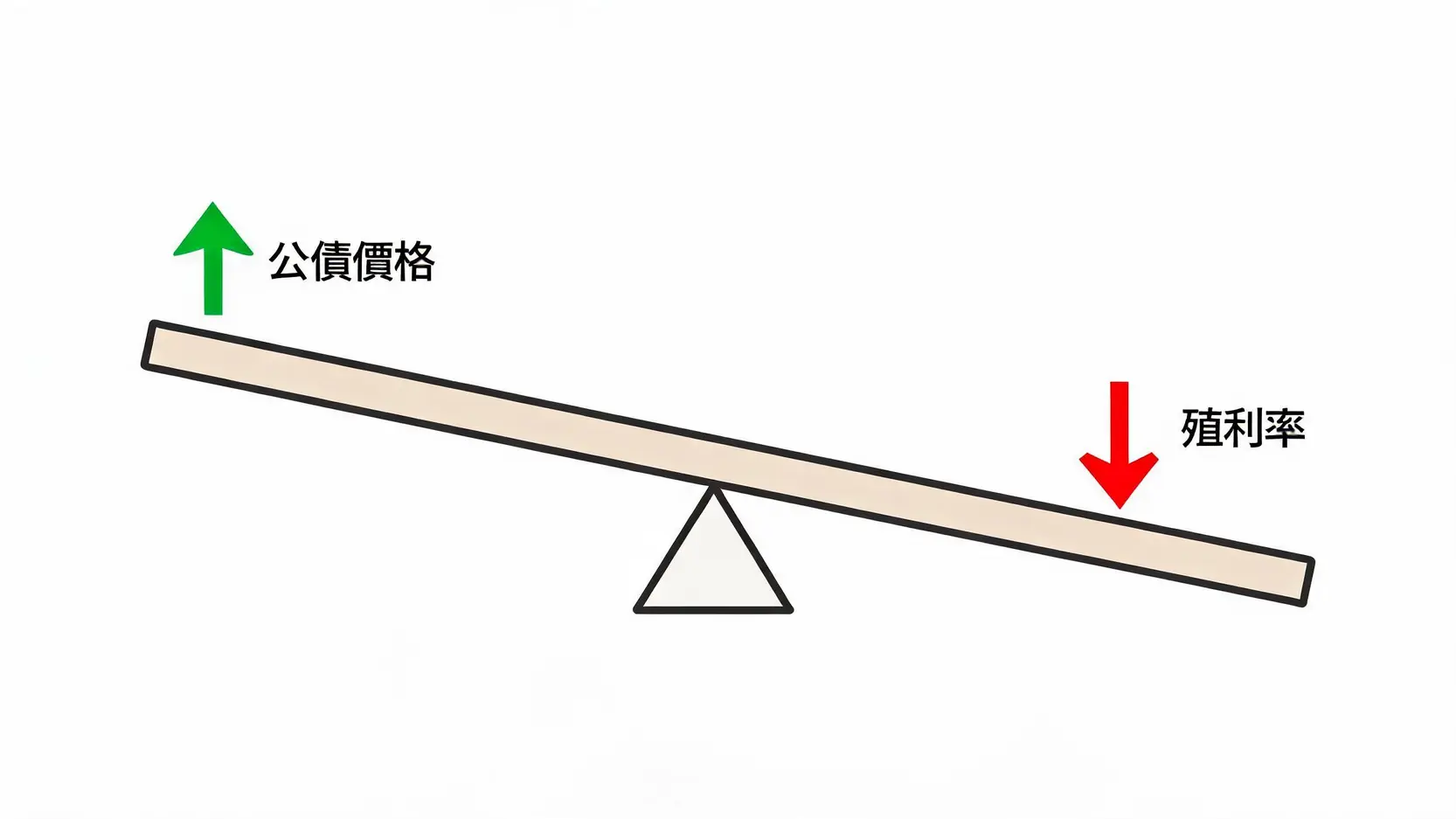
To gain an in-depth understanding of how financial markets operate, investors must first understand the inverse relationship between Treasury prices and yields. When investors purchase large amounts of US Treasuries, bond prices rise and US Treasury yields fall accordingly. Conversely, when the market expects inflation to accelerate or central banks to implement tighter policies, capital flows out of the bond market, causing Treasury prices to fall and yields to rise.

The 10-year US Treasury yield has long been regarded as the anchor for global asset pricing. Its fluctuations not only directly affect mortgage rates and corporate financing costs but also influence stock market valuations. For the latest data and chart analysis, referring to authoritative sources such as MacroMicro: US 10-Year Treasury Yield Chart can help investors assess the current stage of the macroeconomic cycle more clearly.

美國公債價格與殖利率的反向關係圖解

Illustration: The Inverse Relationship Between Treasury Prices and Yields


Complete Analysis of the Impact of Surging US Treasury Yields in 2026: A Simultaneous Stock and Bond Sell-Off or a Buying Opportunity?

Looking back at previous periods of market volatility, when inflation data exceeded expectations or the labor market remained strong, long-term interest rates often stayed elevated, resulting in the impact of surging US Treasury yields. For highly valued technology and growth stocks, this is undoubtedly a major headwind. An increase in the risk-free rate significantly raises the discount rate applied to future cash flows, thereby suppressing stock valuations.

However, crises often bring opportunities. During periods when yields surge and bond prices fall sharply, investors seeking long-term fixed income may instead find highly attractive entry opportunities. At this stage, the investment focus should be on accurately assessing corporate credit risk and reducing the risk of entering at a single point in time through phased investments.


Further Reading (Highly Recommended)

Complete Analysis of Why US Treasuries Plunged: Essential Hedging and Investment Strategies for Investors

Complete Analysis of Surging Bond Yields: Why Are They Called the “Technology Stock Killer”?


US Treasury Yield Investment Strategies and Asset Allocation Amid Rate Cut Expectations

When market attention shifts toward the possibility that central banks may slow the pace of monetary tightening or even begin a monetary easing cycle, US Treasuries amid rate cut expectations become highly sought-after assets. During this stage, capital usually flows first into long-term bonds with higher duration to capture potential capital gains from future declines in interest rates.

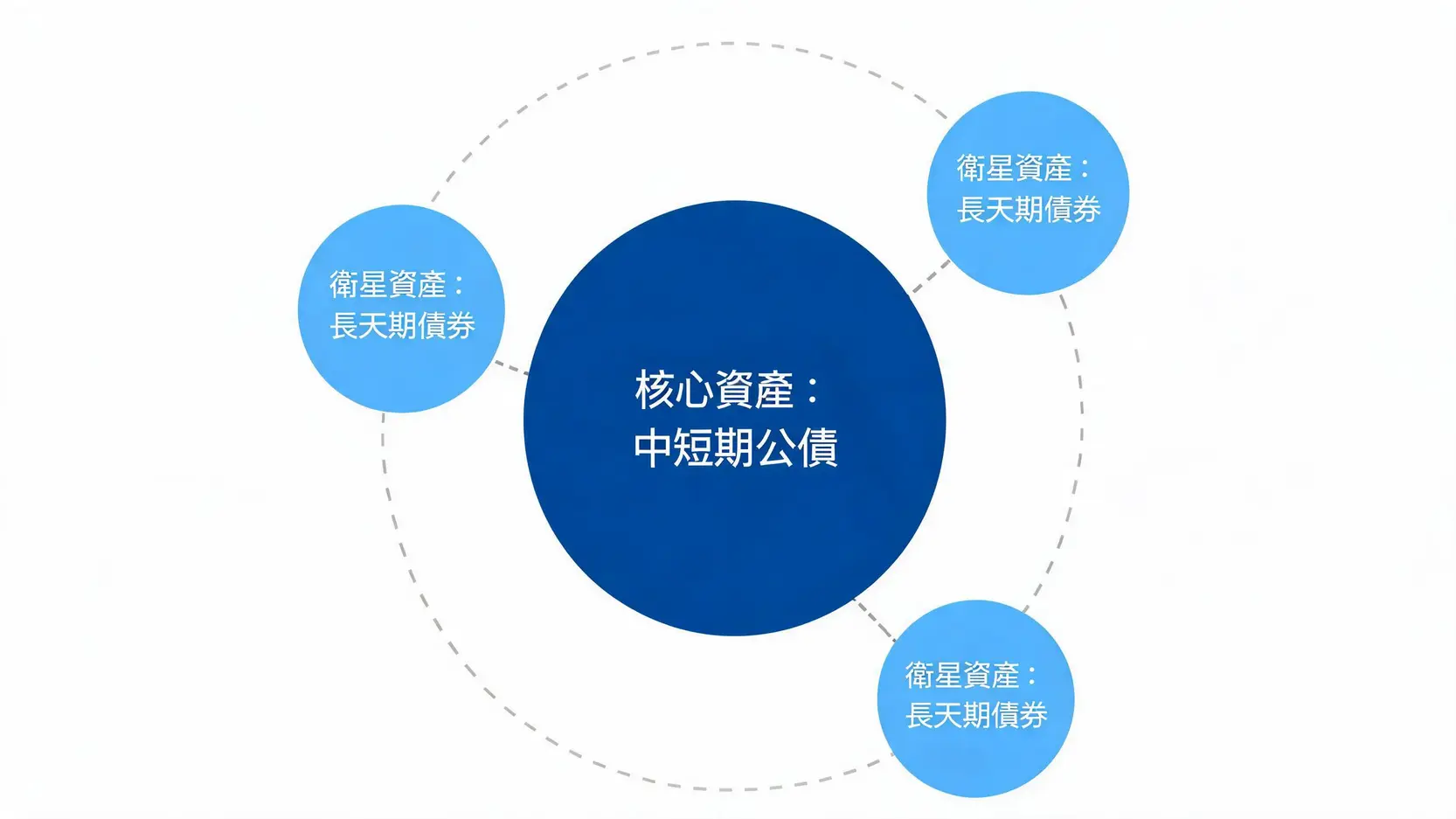
When developing a US Treasury yield investment strategy, both “defense” and “offense” must be considered. Investors with larger capital positions can allocate core assets to investment-grade corporate bonds or short- to medium-term US Treasuries to ensure stable cash flow, while allocating satellite assets to long-term bond ETFs to capture price appreciation from rate cuts. In addition, closely following the latest financial developments on US Treasury yields from Anue is also an important basis for dynamically adjusting an investment portfolio.

美債投資的核心與衛星資產配置結構

Core and Satellite Asset Allocation Amid Rate Cut Expectations

Advanced investors may also refer to Asset Allocation and Forex Investment Strategies Amid Diverging Central Bank Policies to identify arbitrage and allocation opportunities arising from differences in central bank policies through cross-market and cross-asset correlation analysis.


Differences Between US Treasuries of Various Maturities: How Should You Choose Between 2-Year, 10-Year, and 20-Year Treasuries?

When investing in US Treasuries, the choice of maturity directly determines the volatility and return characteristics of the investment portfolio. Below is a comparison of bonds with different maturities and their applicable scenarios:

  • 2-Year US Treasuries: Extremely sensitive to central bank policy rates. Suitable as an investment tool for parking short-term funds, with very low risk and stable interest income during periods of high interest rates.
  • 10-Year US Treasuries: A barometer of the global macroeconomy. Suitable for most conservative investors as a core balancing position in stock and bond allocations.
  • US Treasuries With Maturities of 20 Years or More: Feature high duration and are the most sensitive to interest rate changes. Suitable for active investors who expect substantial future rate cuts and are willing to accept higher price volatility in exchange for potential capital gains.

For a deeper understanding of long-term bond strategies, refer to the Complete Guide to 20-Year US Treasuries: Understanding Yields, Investment Strategies, and Risks to optimize your asset allocation structure.

Frequently Asked Questions (FAQ): US Treasury Yields and US Treasuries Amid Rate Cut Expectations

Q: How Does an Increase in US Treasury Yields Affect the Bond ETFs I Hold?

A: Bond prices and yields have an inverse relationship. Therefore, when yields rise, the net asset value of your existing bond ETFs will fall. However, if you are a long-term holder, higher yields also mean that future reinvestment income will increase.

Q: What Does an Inverted Yield Curve (Where Short-Term Bond Yields Are Higher Than Long-Term Bond Yields) Indicate?

A: An inverted yield curve has traditionally been regarded as a leading indicator of an economic recession. It means the market expects future economic growth to slow, forcing the central bank to cut interest rates to stimulate the economy. As a result, long-term interest rates fall below short-term interest rates.

Q: Is Now a Good Time to Invest in “US Treasuries Amid Rate Cut Expectations”?

A: This depends on your assessment of future inflation and the labor market. If macroeconomic data show that inflation is under control and the economy is showing signs of cooling, investing in US Treasuries amid rate cut expectations in advance can indeed generate capital gains. However, if inflation remains persistent and interest rates stay higher for longer, you may face short-term unrealized losses.

Q: How Can Ordinary Retail Investors Invest in US Treasuries?

A: The most convenient method is to purchase “bond ETFs” through domestic or overseas brokerage platforms. These investment tools have a low entry threshold, strong liquidity, and allow investors to purchase a basket of bonds at once, effectively diversifying the default risk of individual bonds (although the probability of US Treasury default is extremely low).


Conclusion: Understand US Treasury Yields and Build a Stable Defensive Asset Portfolio

In summary, US Treasury yields are not merely numbers. They represent the market’s vote of confidence in the future economic outlook. Amid the complex and rapidly changing political and economic environment of 2026, gaining a deep understanding of the impact of surging US Treasury yields and establishing a logically structured US Treasury investment framework are essential foundations for protecting assets from severe losses.

When the market is extremely optimistic or pessimistic, remain rational when analyzing data, follow the cycles of interest rate cuts and hikes, and adjust asset allocation flexibly. Incorporating high-quality fixed-income assets into your wealth plan will undoubtedly provide irreplaceable protection and stable returns during future market volatility.

If you liked this article, please share it!

Related Articles

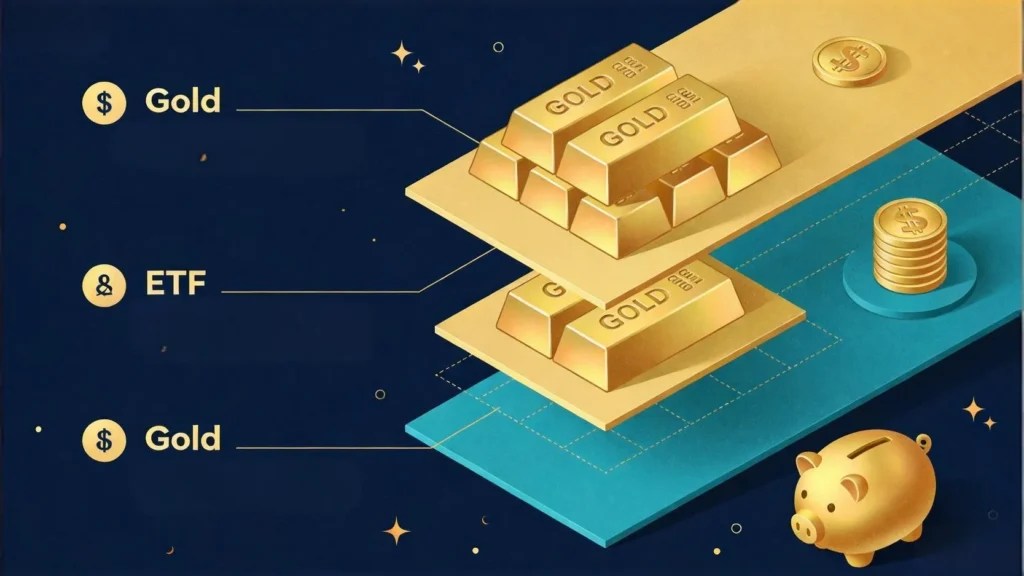
  • 2026 Gold Investment Tools: ETF, Passbook or Physical Gold?
    2026 Gold Investment Tools Comparison: Which Is Better, a Gold Passbook, Gold ETF, or Physical Gold? Once you have determined that you are bullish on gold prices, the next step is “how to buy”. From traditional physical gold jewelry and bank gold passbooks to gold ETFs traded on the stock...
    2026 年 7 月 13 日
  • Complete Guide to Forex Trading Hours
    Complete Guide to Forex Trading Hours: Global Market Opening Sessions and the Best Times to Trade The Complete Guide to Forex Trading Hours: Keeping Pace With Global Markets The forex market is the world’s largest and most liquid financial market. Its appeal lies not only in its potential profit opportunities...
    2026 年 7 月 13 日
  • Hedging vs. Arbitrage: Key Differences Explained
    Hedging vs. Arbitrage: Key Differences and Risk-Free Arbitrage Explained After years in the financial industry, I often hear both beginners and experienced investors talk about “hedging” and “arbitrage”, and there are always people in the market constantly promoting so-called “risk-free arbitrage” strategies. What exactly is the difference between the two?...
    2026 年 7 月 13 日
返回顶部