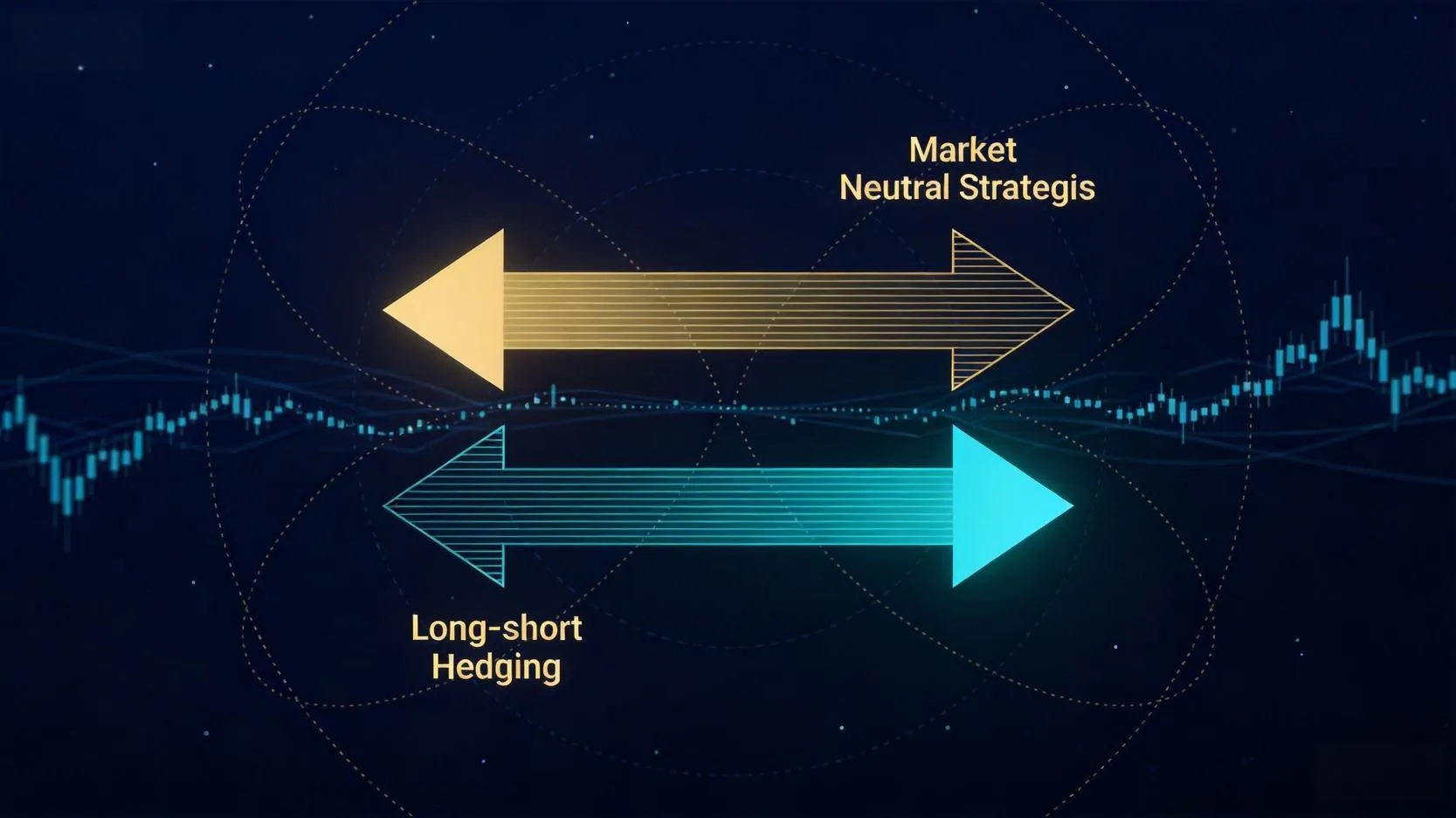
Illustration of a Long/Short Equity Strategy
Convertible Arbitrage and Event-Driven Strategies
Convertible arbitrage strategies profit from pricing discrepancies between convertible corporate bonds and their underlying stocks. Event-driven strategies focus on capturing price fluctuations triggered by major corporate events (such as mergers and acquisitions, bankruptcy restructurings, and share buybacks). These hedge fund strategies usually require sophisticated mathematical models and a deep understanding of legal provisions to generate stable profits in complex market environments.
Real PTT Discussions: The Bright and Dark Sides of Hedge Fund Careers
Is the Financial Industry Hierarchy Real?
Discussions about the “financial industry hierarchy” frequently appear on PTT’s finance boards. It is generally believed that buy-side institutions, such as hedge funds and private equity funds, rank above sell-side institutions, such as investment banks. Hedge funds are often regarded as being at the top of this hierarchy because they pursue absolute returns, employ flexible strategies, and offer extremely high compensation. However, this also means greater risks and a more unforgiving elimination system.
Challenges and Opportunities of Working in Hedge Funds in Taiwan or Asia
Compared with European and US markets, Taiwan’s hedge fund industry is still in its early stages, with more regulatory restrictions and a relatively smaller market. However, as Asia’s economy continues to rise, an increasing number of international hedge funds have established operations in locations such as Hong Kong and Singapore, creating more hedge fund career opportunities for financial professionals in Asia. Professionals with local market knowledge and an international perspective will stand out in this field.
What Personality Traits Are Suitable for Hedge Fund Careers?
In addition to exceptional professional expertise, successful hedge fund managers usually possess strong resilience under pressure, independent thinking skills, and decisive decision-making abilities. They must remain calm during market panic and make accurate judgments when information is unevenly distributed. A strong passion and curiosity for the market, along with a commitment to continuously learning new knowledge, are also essential qualities for this career.
Frequently Asked Questions (FAQ)
Can You Enter a Hedge Fund Without a Financial Background?
Although most hedge funds prefer to recruit candidates with backgrounds in finance or economics, the rise of quantitative trading has increased demand for candidates from mathematics, physics, information engineering, and other science and engineering disciplines. Those who can demonstrate exceptional analytical skills and strong market intuition may still have opportunities to enter the hedge fund industry without a financial background.
Is the Elimination Rate for Hedge Fund Managers High?
Yes, the elimination rate in the hedge fund industry is extremely high. Because performance is heavily emphasized, managers who cannot consistently generate excess returns often face the risk of dismissal. This is a typical high-pressure environment governed by “survival of the fittest”.
What Is the Difference Between Quantitative Hedge Funds and Traditional Hedge Funds?
Traditional hedge funds primarily rely on managers’ subjective judgment, fundamental analysis, and market experience to develop strategies. Quantitative hedge funds, however, use complex mathematical models, algorithms, and big data analysis, with computer programs making trading decisions automatically to reduce the influence of human emotions.
Conclusion
Hedge fund careers are filled with unpredictable challenges and substantial rewards. From conducting in-depth research into various complex hedge fund strategies to enduring the intense pressure created by severe market volatility, managers operate on the front line of financial markets. Whether for job seekers hoping to enter this field or investors seeking to understand how the financial industry operates, mastering various trading strategies and possessing exceptional resilience under pressure are essential for becoming a top manager. Understanding how hedge funds operate will help us gain a more comprehensive view of modern financial markets.