2026 Altcoin Mining Pools & ETC Setup Guide

Updated: 2026/07/14  |  CashbackIsland

ethereum etc mining pool

The Post-Ethereum Mining Era: Best Altcoin Mining Pools for 2026 and an ETC Setup Tutorial

Since Ethereum officially moved away from the PoW (Proof of Work) mechanism, the once-thriving Ethereum mining pool ecosystem has undergone dramatic changes. For investors and miners passionate about Ethereum mining, this is not the end, but the beginning of a shift towards new opportunities. Today, former mining pools have transformed to support ETC (Ethereum Classic) or other promising altcoins. With so many options available in the market, how should you choose a stable ETC mining pool platform with low fees? What are the key techniques for setting up an altcoin mining pool? From the perspective of an experienced investor, this article provides a comprehensive analysis of the latest mining pool selection criteria and setup procedures for 2026, helping you continue to maximise your hash power earnings in the post-Ethereum era.

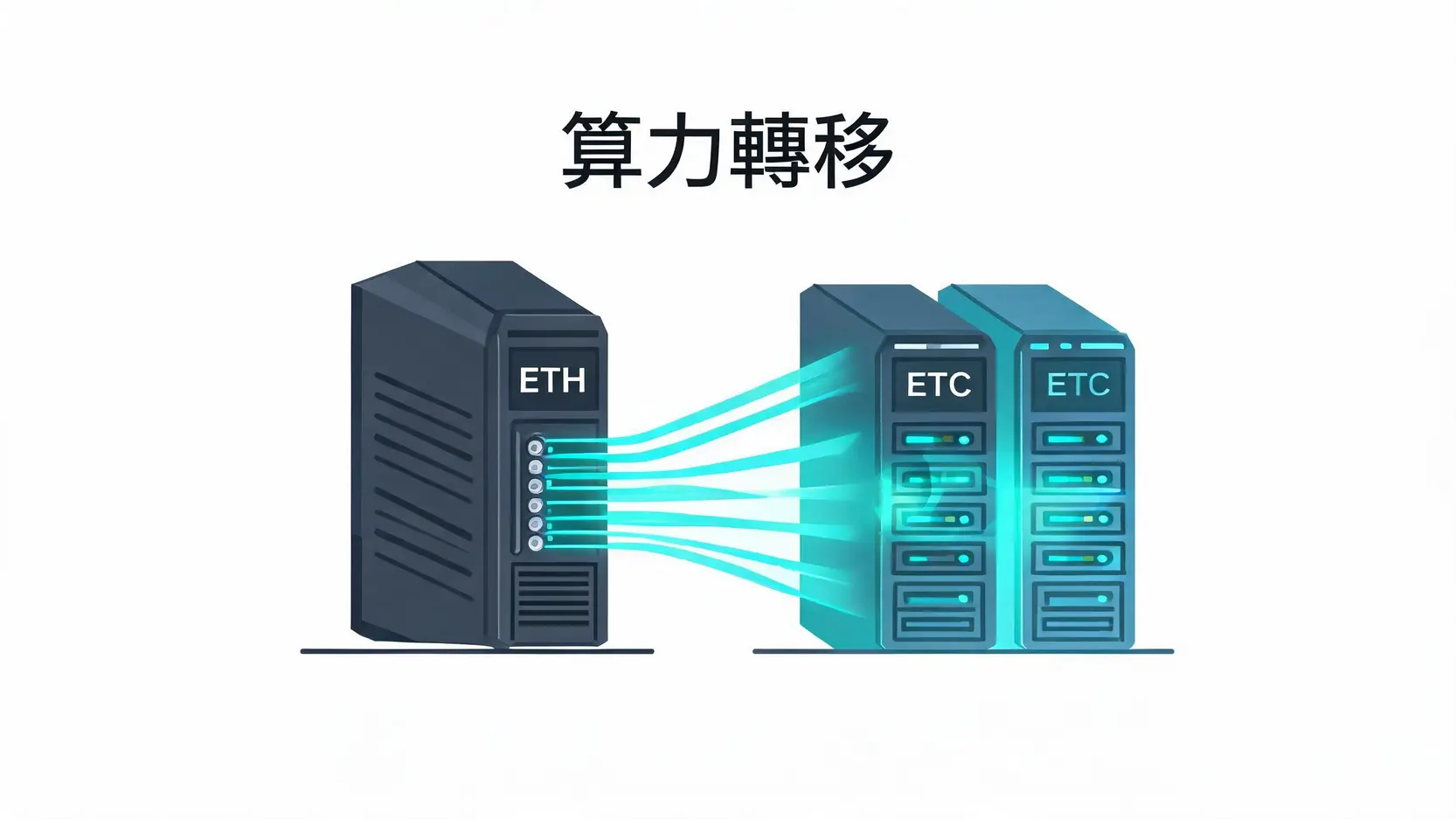
以太坊合併後算力轉移至ETC等替代幣的概念圖

Miners Shift Hash Power from Ethereum to Altcoins Such as ETC


Further Reading (Highly Recommended)


Why Do Miners Need to Join a Mining Pool?

Before exploring specific altcoin mining pools, it is essential to first understand why “mining pools” are necessary. As cryptocurrency development has become highly institutionalised and professionalised in 2026, total network hash power has reached astonishing levels. Whether referring to former Ethereum mining pools or today’s ETC mining pools, the core principle is to “combine many small contributions into a substantial collective force”.


Differences in Earnings Between Solo Mining and Pool Mining

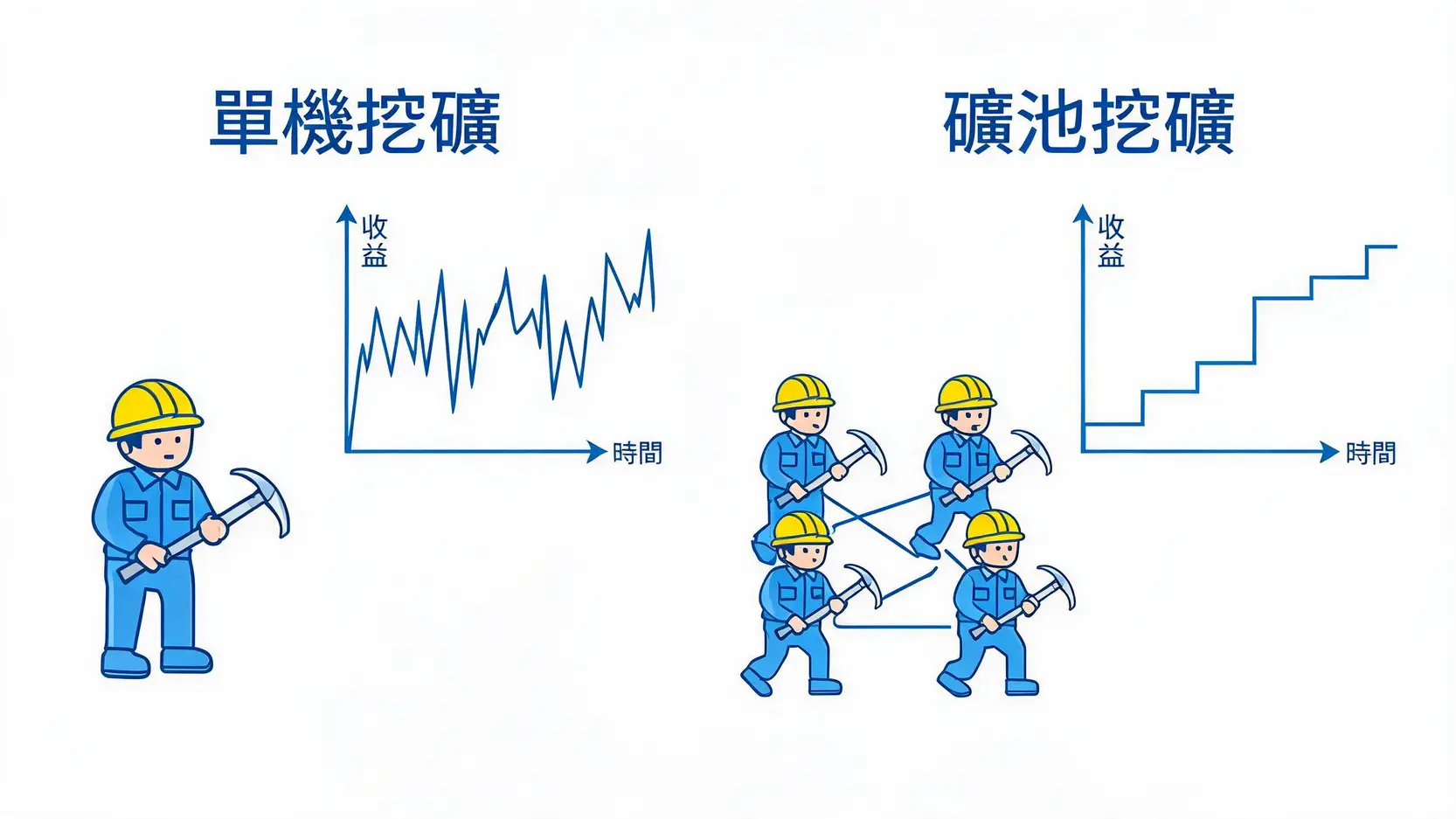
Solo mining means that miners compete for the right to validate transactions against the entire network using their own equipment. At the current difficulty level, an ordinary investor’s equipment may take months or even years to produce a single block, resulting in extremely unstable earnings that are either “zero or exceptionally high”. By contrast, joining a mining pool allows thousands of miners to contribute their hash power and solve problems together. Once the mining pool mines a block, profits are distributed according to each miner’s proportion of contributed hash power. This model ensures stable daily cash flow and is the preferred risk management strategy for most investors.

單機挖礦與礦池挖礦的收益穩定性對比圖

Comparison of Earnings Characteristics Between Solo Mining and Pool Mining


How Mining Pools Distribute Rewards (PPS vs PPLNS)

When evaluating a mining pool, the distribution model is a key factor that directly affects final earnings. There are currently two main distribution mechanisms:

Distribution Model Operating Principle Suitable For
PPS (Pay Per Share) The mining pool pays a fixed return directly based on the valid hash power you submit, even if the pool does not mine a block. Fees are usually higher (at approximately 2-3%). Short-term miners seeking absolute stability and who may switch mining pools at any time.
PPLNS (Pay Per Last N Shares) Rewards are distributed based on the previous N valid shares only when the mining pool successfully mines a block. Earnings depend more heavily on luck, but fees are extremely low (at approximately 1% or even zero). Long-term investors who remain steadily connected to the same mining pool over an extended period.

For miners switching to ETC or other altcoins, assessing the stability of their equipment and selecting an appropriate reward distribution model is the first step towards optimising investment returns.


Recommended Popular Altcoin Mining Pools (Such as ETC) in 2026

As Ethereum mining has become a thing of the past, market hash power has rapidly shifted to networks such as Ethereum Classic (ETC) and Ravencoin (RVN). The following are the most representative and reputable mining pools in the market in 2026 for your reference.


F2Pool: Multi-Coin Support and Long-Established Stability

As one of the world’s earliest mining pools, F2Pool enjoys an excellent reputation in the cryptocurrency mining sector. After Ethereum transitioned to PoS, F2Pool quickly optimised its ETC mining pool infrastructure.

  • Advantages: Its servers are located worldwide, providing extremely low latency. It supports a wide range of cryptocurrencies, including ETC and numerous emerging PoW coins, allowing miners to switch hash power at any time according to market profitability.
  • Reward Settlement: It mainly uses the PPS or PPS+ model, providing stable daily earnings. Its transparent data dashboard is highly favoured by large-scale mining farms.


2Miners: Low Fees and High Transparency

The rapidly emerging 2Miners ETC mining pool has become the preferred choice for many small and medium-sized miners in recent years. The mining pool is well known for its simple user interface and innovative payment methods.

  • Advantages: Under the PPLNS model, fees are usually only 1%, significantly reducing miners’ friction costs. In addition, 2Miners provides highly transparent block discovery data, allowing investors to check the mining pool’s real-time hash power and luck rate at any time.
  • Innovative Payments: To address mainnet congestion or excessively high transaction fees for certain cryptocurrencies, 2Miners allows earnings to be settled in Bitcoin (BTC) or other low-fee tokens, which is a major highlight in the 2026 market.


How to Evaluate and Select the Most Suitable Mining Pool?

In addition to brand recognition, many hidden indicators must be considered when selecting an altcoin mining pool. By applying experience from the Ethereum mining pool era to today’s market, you will find that the details often make all the difference.


The Hidden Impact of Server Latency on Hash Power

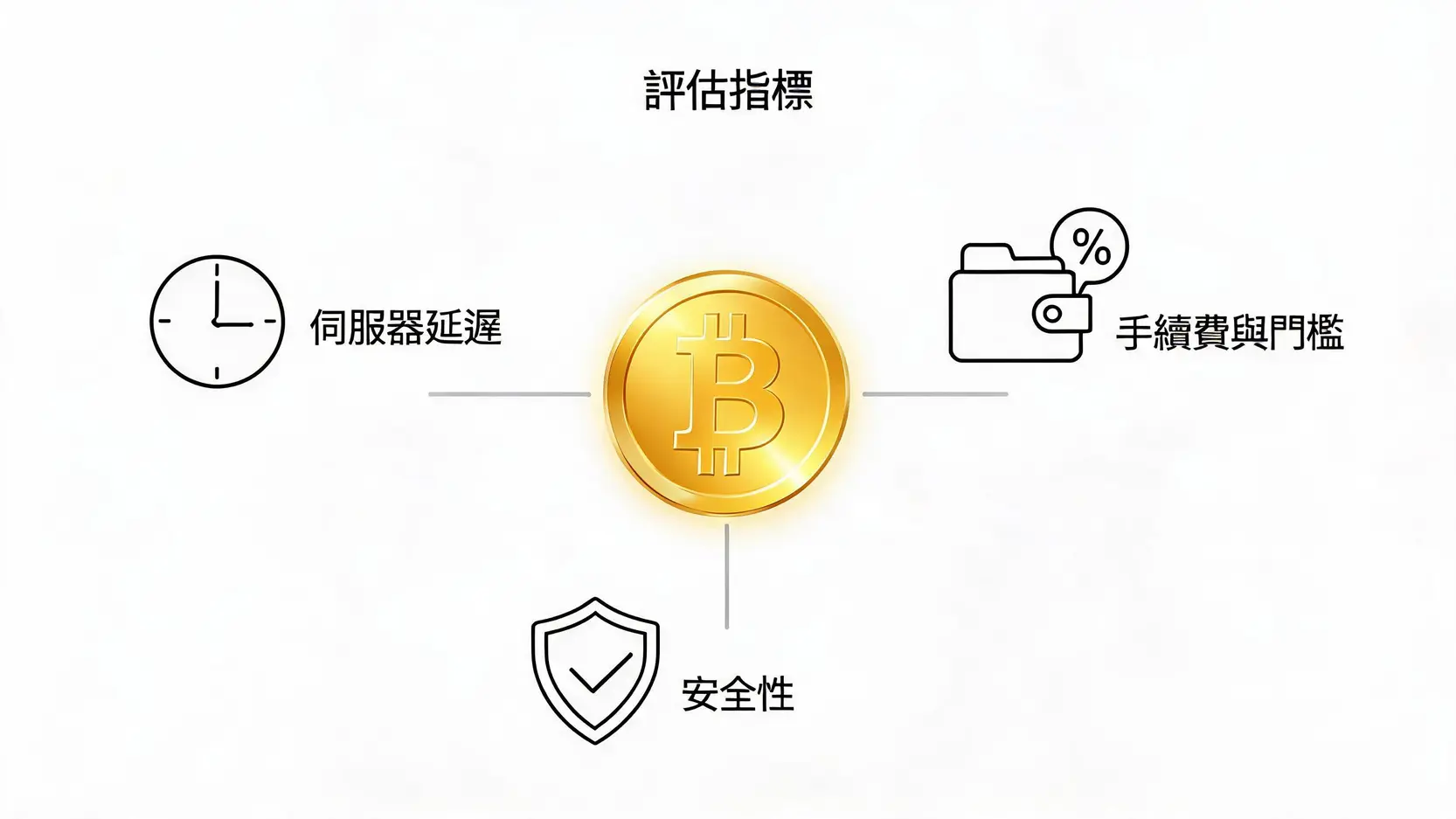
Network latency (measured by Ping) is a hidden factor that erodes miners’ profits. When your mining machine solves a problem and submits the answer to the mining pool, excessive latency caused by a distant server may mean that another miner has already submitted the solution first, turning your submission into a stale share. Therefore, when setting up a mining pool, be sure to use a Ping testing tool and select a mining pool with nodes in your region to keep latency below 50 ms.


Comprehensive Calculation of Payout Thresholds and Fees

Different mining pools have different minimum payout thresholds. For individual miners with lower hash power, an excessively high payout threshold may mean waiting several weeks to receive earnings. This not only affects cash flow but also increases exposure to cryptocurrency price volatility. Investors should carefully calculate: Expected Daily Earnings ÷ Minimum Payout Threshold = Number of Days Until Payout. At the same time, it is important to determine whether the mining pool passes blockchain network fees on to miners when distributing earnings. 

Applications of Smart Contracts in Modern Mining Pool Payments

By 2026, some advanced mining pools have begun integrating smart contracts for automated reward distribution. This means your earnings are no longer manually distributed by a centralised mining pool wallet, but are automatically processed through contract protocols once the required conditions are met. This significantly reduces the risk of mining pool operators absconding with funds and improves asset security. Although ETC inherently supports smart contracts, understanding the underlying fund settlement logic when selecting a mining pool is essential knowledge for every mature investor.

評估加密貨幣礦池的核心指標示意圖

Three Core Evaluation Criteria for Selecting a Mining Pool

After understanding the technical details above, if you would like to further evaluate the overall investment return, it is strongly recommended to use professional tools for calculations. Refer to the Ultimate Guide to Calculating Mining Profits for an accurate cost and profit analysis. 

Frequently Asked Questions

Q: Where Have Ethereum Mining Pools Gone?

A: Since Ethereum completed “The Merge” and fully transitioned to the PoS mechanism, traditional Ethereum mining pools have stopped processing ETH mining operations. Most mainstream mining pools have redirected their hardware infrastructure and servers to support Ethereum Classic (ETC), which uses the same algorithm, Etchash, or other altcoin networks compatible with GPU mining.

Q: Is There a Fee for Joining a Mining Pool?

A: Most mining pools charge a percentage-based service fee to maintain server operations. Fees typically range from 1% to 3%, depending on the reward distribution model used (with PPS fees generally higher than PPLNS fees). To attract a larger share of network hash power, some emerging mining pools may offer “zero-fee” promotions during specific periods, which investors can monitor closely.

Q: How Can I Confirm That My Hash Power Has Successfully Connected to the Mining Pool?

A: After completing the setup of mining software (such as T-Rex or PhoenixMiner) and launching it, check whether the software terminal displays “Share Accepted”. Then, enter your wallet address into the search bar on the mining pool’s official website. Usually, after the software has been running for 10 to 15 minutes, the website will display your real-time number of active mining machines and hash power charts.

Q: Can Mining ETC and Other Altcoins Still Be Profitable in 2026?

A: Mining profitability depends heavily on two dynamic variables: the current cryptocurrency price and your electricity costs. Although altcoins have a smaller market capitalization than Ethereum did in the past, stable cash flow can still be generated if you are located in a region with low electricity costs and have highly energy-efficient equipment. It is recommended to use an online mining profitability calculator regularly and dynamically adjust your mining strategy.


Conclusion

In summary, the end of the Ethereum mining era does not mark the end of cryptocurrency mining. Instead, it serves as a catalyst for the reshuffling and evolution of the hash power market. For investors and miners in 2026, choosing a suitable altcoin mining pool (such as F2Pool or 2Miners), not only ensures the stable conversion of hash power but is also a core strategy for managing risk and maximising profits. When setting up and selecting a mining pool, be sure to consider the reward distribution model, server latency, fees, and payout threshold. By remaining alert to technological developments in the market and flexibly adjusting your investment tools and strategies, you can remain competitive in the rapidly changing blockchain world.

编者
Evan Lin

Evan Lin

我是Evan Lin,从大学时期开始接触外汇交易,至今已有多年实战经验,熟悉技术分析与EA策略,热衷于研究市场脉动与风险管控,喜欢分享实战经验和交易技巧,和大家一起学习、一起进步!

If you liked this article, please share it!

Related Articles

  • Binance Margin Trading: Cross vs Isolated Guide
    Binance Margin Trading Guide: Differences Between Cross and Isolated Margin Modes and Illustrated Borrowing Instructions Short on funds but expect a particular cryptocurrency to surge? Besides the commonly used futures trading, you can also use “Binance Margin” to borrow funds and purchase spot assets, amplifying your investment returns. This Binance...
    2026 年 7 月 14 日
  • 2026 Euro Forecast: Is Now the Best Time to Buy Euros?
    2026 Euro Exchange Rate Forecast: Is Now the Best Time to Buy Euros? Planning a trip to Europe or considering foreign currency investments? As the world’s second-largest reserve currency, fluctuations in the euro directly affect your currency exchange costs and investment returns. As we enter 2026 and face changes in...
    2026 年 7 月 14 日
  • Trump’s Middle East Shift: Oil and Gold Price Outlook
    【2026 In-Depth Analysis】Trump’s Major Shift in Middle East Policy: How Will It Trigger a New Round of Correlated Oil and Gold Price Movements? In 2026, global markets are once again focusing on the Middle East. As the Trump administration makes a significant shift in foreign policy, from maximum pressure on...
    2026 年 7 月 14 日
返回顶部