RBA Rate Forecast: Will Australia Hike Rates Again?

Australian Interest Rate Forecast: Will the RBA Raise Rates Again in the Second Half of the Year? A Summary of Expert Views From the Big Four Banks
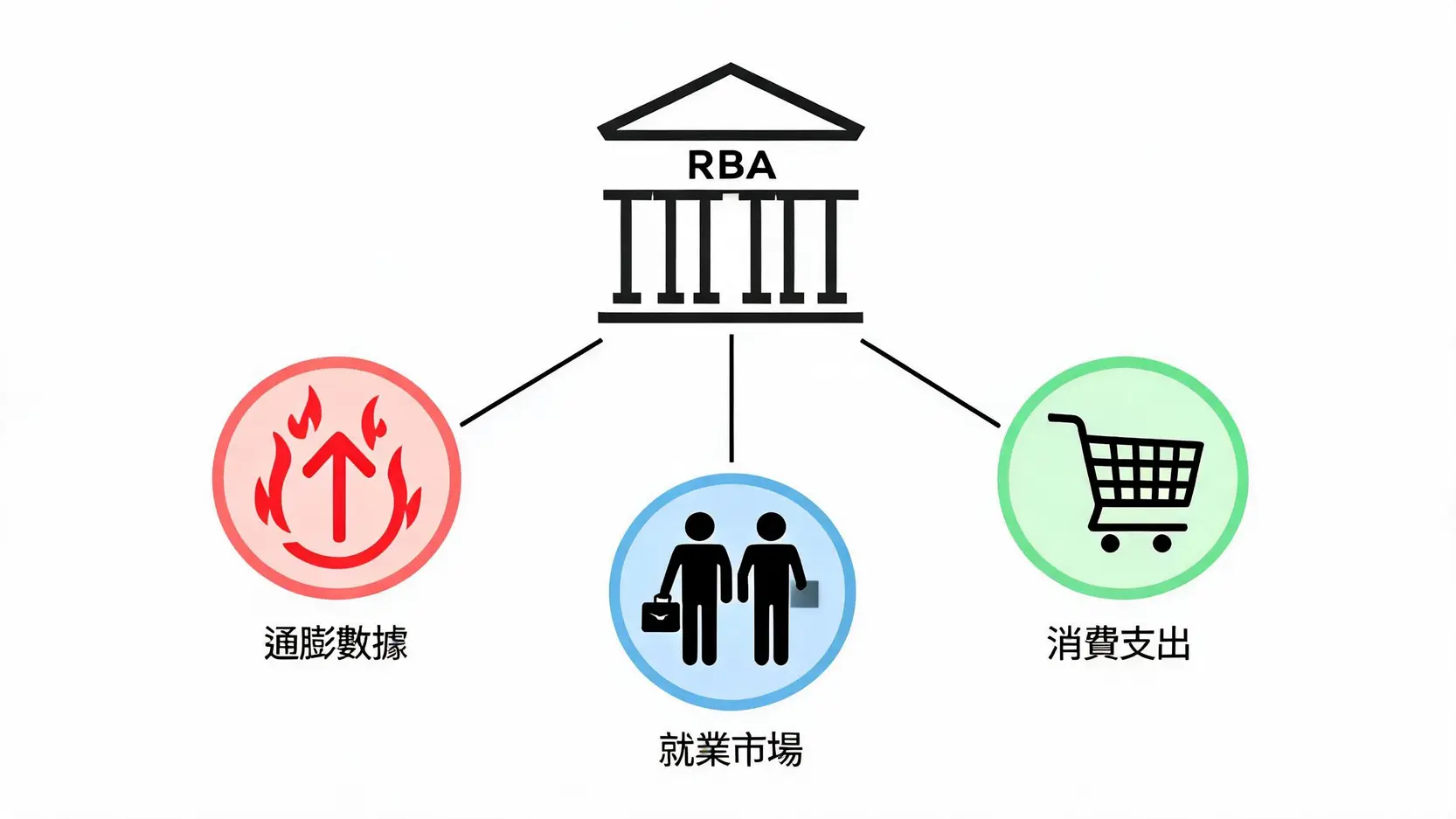
The Three Key Indicators That Will Shape the RBA’s Next Interest Rate Decision
After the Reserve Bank of Australia (RBA) kept the Official Cash Rate (OCR) at 4.35%, the market’s biggest question is undoubtedly: what comes next? Will the RBA resume its feared rate hike cycle, or is a long-awaited rate cut finally on the horizon? The answer to this billion-dollar question depends on a range of complex and closely interconnected economic indicators. For investors and homeowners following Australian interest rate forecasts, understanding these data points is essential. Below, we take an in-depth look at the three key pillars shaping the future direction of Australian interest rates.

The Three Core Pillars of the RBA’s Interest Rate Decisions
Inflation (CPI): Is It Returning to the 2-3% Target Range?
Inflation remains the RBA’s top monetary policy priority. The central bank’s primary objective is to keep annual Consumer Price Index (CPI) inflation within its 2-3% target range. According to the latest data from the Australian Bureau of Statistics (ABS), annual CPI inflation stood at 4.2% as of April 2026. Although this is down from its peak, it remains well above the target range. Sticky services inflation, particularly in rents, insurance, and healthcare costs, continues to place upward pressure on prices. The RBA will closely monitor upcoming quarterly and monthly CPI reports. Any inflation reading above expectations could extinguish hopes of a rate cut and even reignite expectations of another rate hike.
Labor Market Data: Are Unemployment and Wage Growth Cooling?
An “overheated” labor market is often fertile ground for inflation. When unemployment remains near historic lows, businesses compete for workers by raising wages, with higher labor costs ultimately passed on to consumers. As of April 2026, Australia’s unemployment rate had edged slightly higher but remained relatively low, indicating that the labor market was still tight. The Wage Price Index (WPI) is another key indicator monitored by the RBA. If wage growth exceeds productivity growth, it could trigger a “wage-price spiral”. Therefore, the RBA would welcome a moderate cooling in the labor market, with a slight rise in unemployment and slower wage growth viewed as positive signs of easing inflationary pressure, providing greater flexibility for future monetary policy.
Consumer Spending and Business Confidence: The Health of Australia’s Domestic Economy
The impact of interest rate policy ultimately shows up in consumer and business behavior. Successive rate hikes have significantly increased mortgage repayment burdens for households, which should, in theory, dampen consumer spending. Retail sales figures and consumer confidence indices are key gauges of domestic demand. If the data show a sharp contraction in consumer spending, raising recession concerns, the RBA may be forced to consider cutting interest rates sooner to support the economy. Conversely, if consumers continue to demonstrate strong spending power, it would suggest that previous monetary tightening has not yet fully taken effect, prompting the RBA to keep interest rates higher for longer to ensure inflation is brought under control. Likewise, business confidence and investment intentions remain important indicators of overall economic health.
A Summary of Interest Rate Forecasts From Australia’s Big Four Banks (CBA, Westpac, NAB, and ANZ)
As for the future direction of Australian interest rates, economists at the country’s major financial institutions have reached different conclusions based on their own models and analyses. Their forecasts serve as an important barometer of market sentiment. Below is a summary of the latest interest rate forecasts from Australia’s Big Four banks as of June 2026:

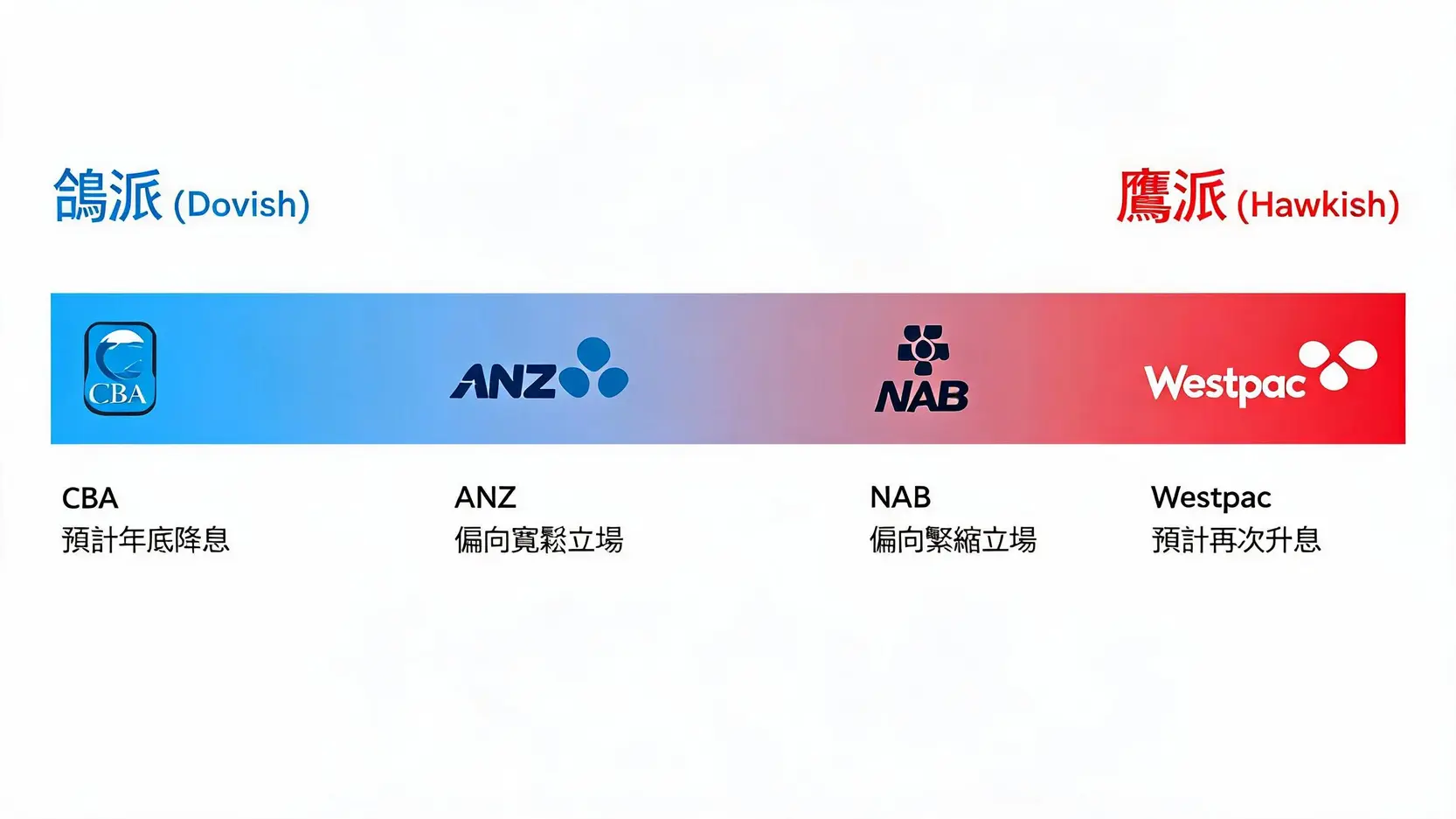
The Big Four Banks’ Interest Rate Forecast Spectrum: From Dovish to Hawkish
| Bank | Peak Cash Rate Forecast | Forecast for the First Rate Cut | Summary of Core Viewpoints |
| Commonwealth Bank (CBA) | 4.35% (Peak Reached) | Fourth Quarter of 2026 | Believes inflation will continue to ease while economic growth remains below trend, with the RBA expected to begin cutting interest rates before the end of the year. |
| Westpac | 4.85% (Forecast to Raise Rates Again in August and September) | Second Quarter of 2027 | Takes the most hawkish stance, believing inflationary pressures remain persistent and that the RBA needs to raise interest rates further to curb demand, delaying the timing of rate cuts. |
| National Australia Bank (NAB) | 4.60% (Forecast to Raise Rates Once More in August) | Early 2027 | Takes a position between CBA and Westpac, believing one additional rate hike is still necessary, followed by an extended period of higher interest rates. |
| ANZ | 4.35% (Peak Reached) | Early 2027 | Like CBA, ANZ believes interest rates have already peaked. However, it expects the RBA to remain more patient and wait until inflation is clearly under control before taking action, resulting in a later start to rate cuts. |
Note: The above forecasts are subject to change at any time. Please refer to the latest reports published by each bank.
How Does the Global Macroeconomy Affect Australian Interest Rates?
In today’s globalized world, Australia’s monetary policy does not operate in a vacuum. Several major external factors have a significant influence on the RBA’s decisions.
The Signaling Effect of the US Federal Reserve’s Policy Path
As the world’s largest economy, the US and the Federal Reserve’s interest rate decisions attract global attention. If the Fed continues to maintain high interest rates to fight inflation, it will push up the value of the US dollar and put downward pressure on other currencies such as the Australian dollar. To avoid imported inflation (which makes imported goods more expensive) and capital outflows, the RBA must take the Fed’s actions into account when setting policy. This could make it more cautious about cutting rates.
The Impact of China’s Economic Recovery on Australia
China is Australia’s largest trading partner, especially in commodities such as iron ore and coal. The strength of China’s economy directly affects demand for Australian resources, which in turn influences Australia’s export revenue and economic growth. If China’s economy recovers strongly, it will support the Australian economy and may give the RBA more confidence to raise rates or maintain high interest rates. Conversely, if China’s economy remains weak, it will weigh on Australia’s economy and increase pressure for rate cuts.
Global Supply Chains and Geopolitical Risks
From supply chain disruptions during the pandemic to recent geopolitical conflicts, these global risks could trigger renewed inflationary pressure. For example, a sudden surge in energy prices or disruptions to key shipping routes could derail the RBA’s expected path of falling inflation, forcing it to adopt a tougher monetary policy stance.
Interest Rate Path Scenarios Under Different Conditions
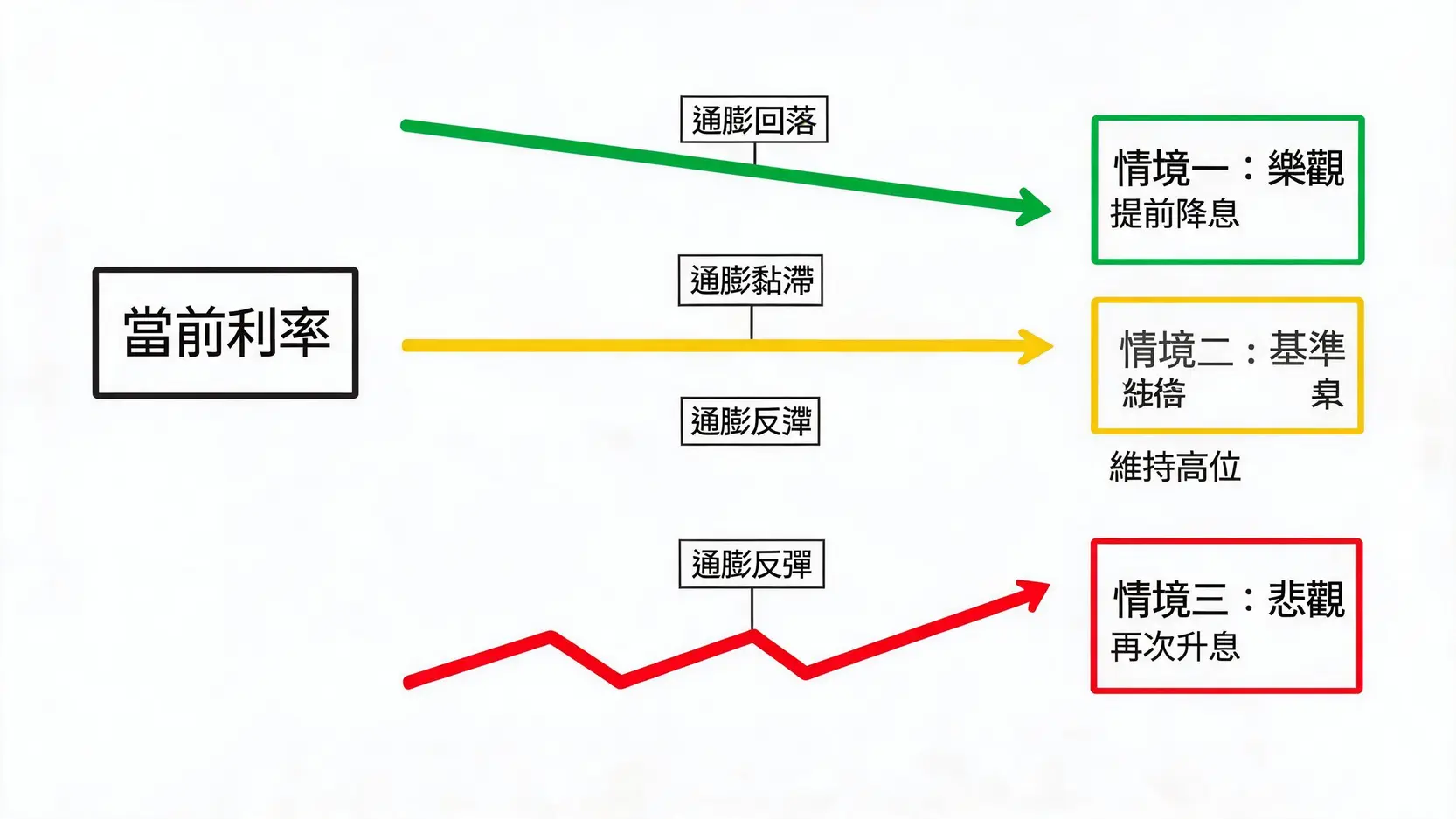
Taking all the above factors together, we can outline three possible scenarios for the future path of Australian interest rates:

Three Possible Scenarios for the Future Interest Rate Path
Scenario One (Optimistic): Inflation Falls Rapidly and Rate Cuts Are Brought Forward
Trigger conditions:
- Global supply chain issues ease and import prices fall.
- Australian domestic consumer spending slows significantly and the labor market cools.
- CPI data comes in below expectations for several consecutive quarters.
Interest rate path: Under this scenario, the RBA could begin its first rate cut as early as the fourth quarter of 2026, similar to CBA’s forecast.
Scenario Two (Base Case): Inflation Declines Slowly and Interest Rates Stay Higher for Longer
Trigger conditions:
- Inflation remains sticky, especially in the services sector.
- The labor market remains resilient, with wage growth slowing gradually.
- The global economic outlook remains uncertain, prompting the RBA to take a cautious wait-and-see approach.
Interest rate path: This is currently the mainstream view among the market and many experts (such as ANZ and NAB). Interest rates are expected to remain at 4.35% or slightly higher until the end of 2026, with room for rate cuts only emerging in the first half of 2027.
Scenario Three (Pessimistic): Inflation Remains Stubborn and the RBA Is Forced to Raise Rates Again
Trigger conditions:
- Global geopolitical risks escalate, triggering a new shock to energy or food prices.
- Australian domestic fiscal stimulus policies, such as tax cuts, unexpectedly boost consumer demand.
- CPI data unexpectedly rebounds, breaking the downward trend.
Interest rate path: Under this least favorable scenario, the RBA would have no choice but to restart rate hikes, with the cash rate potentially reaching Westpac’s forecast of 4.85% or even higher. This would create significant pressure on mortgage holders and the broader economy.
Frequently Asked Questions (FAQ) About Australian Interest Rate Forecasts
Q: If the RBA Raises Rates Again, How High Could the Cash Rate Go?
A: Based on the most hawkish current forecasts (such as Westpac’s), if inflationary pressure remains persistent, the RBA may need to raise the cash rate to 4.85%. In a more extreme scenario, a move to 5.0% cannot be ruled out, but this would have a severe tightening effect on the economy, so the probability is relatively low.
Q: When Does the Market Expect the First Rate Cut?
A: Market expectations remain divided. Pricing in the interest rate futures market suggests that traders see a low probability of a rate cut before the end of 2026, with expectations generally pointing to the second quarter of 2027 or later. However, some economists (such as those at CBA), believe that if economic data aligns, the first rate cut could come as early as the fourth quarter of 2026.
Q: How Will Changes in Australian Interest Rates Affect the Australian Dollar?
A: Generally speaking, higher interest rates attract international capital seeking higher returns, supporting the Australian dollar. Therefore, if the RBA raises rates or keeps interest rates higher for longer than other countries (especially the US), it would support the Australian dollar. Conversely, if the RBA cuts rates first, the Australian dollar may weaken. For more analysis on the Australian dollar outlook, please refer to our in-depth article.
Q: As an Ordinary Investor, How Can I Use These Forecasts to Adjust My Strategy?
A: First, mortgage holders should assess their repayment capacity under a high interest rate environment and consider whether to lock in a fixed rate. For investors, a rate hike environment is generally favorable for financial stocks such as banks, but unfavorable for interest rate-sensitive sectors such as technology and real estate. When rate cuts are expected, bond prices typically rise, making them a potentially attractive allocation option. The key is to keep your portfolio diversified and adjust flexibly based on the latest economic data and market expectations.
Conclusion
Overall, there is no clear consensus among markets and experts regarding the Australian interest rate outlook for the second half of 2026 and beyond. Forecasts range from “rate cuts before the end of the year” to “further rate hikes”, highlighting the high level of uncertainty surrounding the outlook. However, investors need not feel overwhelmed. By closely monitoring the three key indicators of inflation (CPI), employment, and consumer spending, while also considering analyses from professional institutions such as Australia’s Big Four banks, it is possible to make more informed judgments about the RBA’s likely policy direction. The central question remains whether inflation can return to target before high interest rates begin to weigh too heavily on economic growth. Until that answer becomes clear, maintaining a flexible investment portfolio and a strong awareness of risk will remain the most effective approach to navigating future market developments.
Related Articles
-
Global Asset Repricing: Why Has Japan’s Property Market Become a Safe Haven for Smart Money Amid Yen Depreciation? What Is “Global Asset Repricing”? Why Has Japan Become the Main Focus? While investment forums around the world are heatedly discussing yen depreciation pressure, the real smart money has already begun positioning...2026 年 6 月 23 日
-
Farewell to Negative Interest Rates! The Truth Behind Japan Meeting Its Inflation Target: Why Has Yen Depreciation Pressure Increased Instead of Easing? The Japanese economy is staging an extremely contradictory drama: after waiting for thirty years, it has finally welcomed the long-awaited Japan inflation, yet the market’s response has been...2026 年 6 月 23 日
-
A Complete Analysis of Central Bank Policy Shifts: From YCC to QT, Decoding the BOJ and the Fed’s Next Move The Bank of Japan (BOJ) and the US Federal Reserve (Fed), two giants of the global financial markets, are seeing their diverging monetary policy directions become the core force driving...2026 年 6 月 23 日