AUD/USD Volatility: 3 Key Drivers Explained

Updated: 2026/06/23  |  CashbackIsland

audusd-volatility-factors

Is the Australian Dollar Hard to Predict? Uncover the 3 Key Drivers Behind AUD/USD Currency Pair Volatility

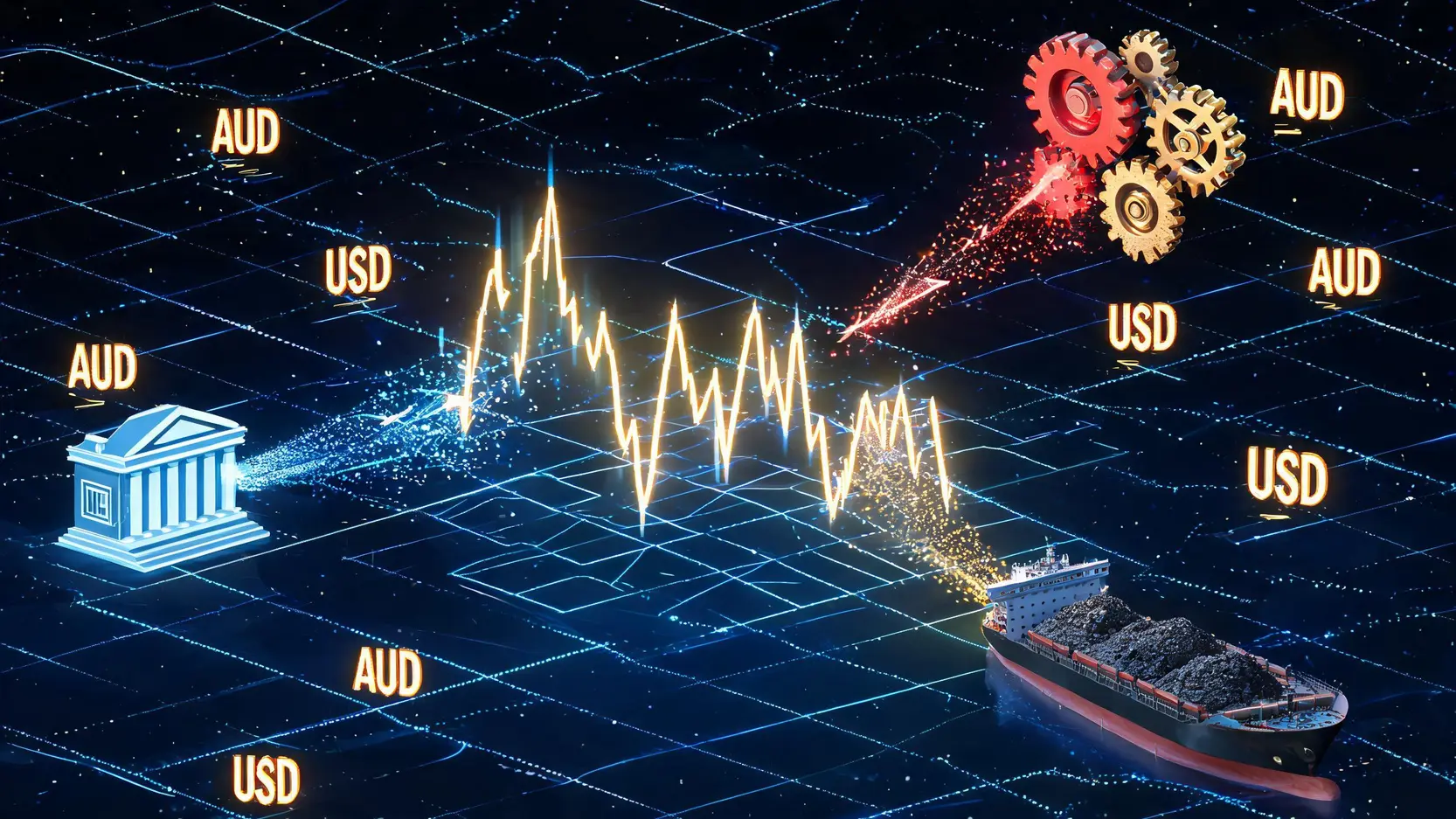
Have you ever wondered why the AUD/USD (Australian Dollar/US Dollar) currency pair experiences such dramatic price swings? Why does this popular currency pair sometimes behave like a runaway horse at specific moments? Many traders are drawn to its high profit potential, yet struggle with the Australian dollar’s unpredictable movements. In reality, AUD/USD volatility is far from random. It is driven by several powerful fundamental factors. This article takes an in-depth look at the three core drivers behind the AUD/USD exchange rate and shows you how to use these characteristics to develop smarter trading strategies, turning market challenges into opportunities. 


Factor 1: How Reserve Bank of Australia (RBA) Interest Rate Decisions and Statements Influence the Australian Dollar

As Australia’s monetary policymaker, every move made by the Reserve Bank of Australia (RBA) attracts close market attention. Its interest rate decisions and post-meeting statements are the most direct catalysts for short-term volatility in AUD/USD. For traders, understanding the RBA’s policy direction is the first step toward interpreting Australian dollar movements. 


How Interest Rate Expectations Are Priced Into Market Movements in Advance

Markets typically “buy the rumor and sell the fact”. Before the RBA announces its interest rate decision, traders form expectations based on recent economic data (such as inflation (CPI) and employment figures). For example, if the market widely expects the RBA to raise interest rates to combat inflation, traders will begin buying the Australian dollar in advance, causing AUD/USD to rise before the official announcement. Conversely, if a rate cut is expected, the exchange rate will usually come under pressure beforehand. This anticipation significantly increases market volatility before and after key announcements, creating opportunities for short-term traders while also increasing risk.


Why Is the Wording of the Statement More Important Than the Interest Rate Decision Itself?

Sometimes, AUD/USD experiences sharp volatility even when the RBA’s interest rate decision matches market expectations (such as leaving rates unchanged). Why does this happen? The answer lies in the wording of the post-meeting statement, commonly referred to as “forward guidance”.

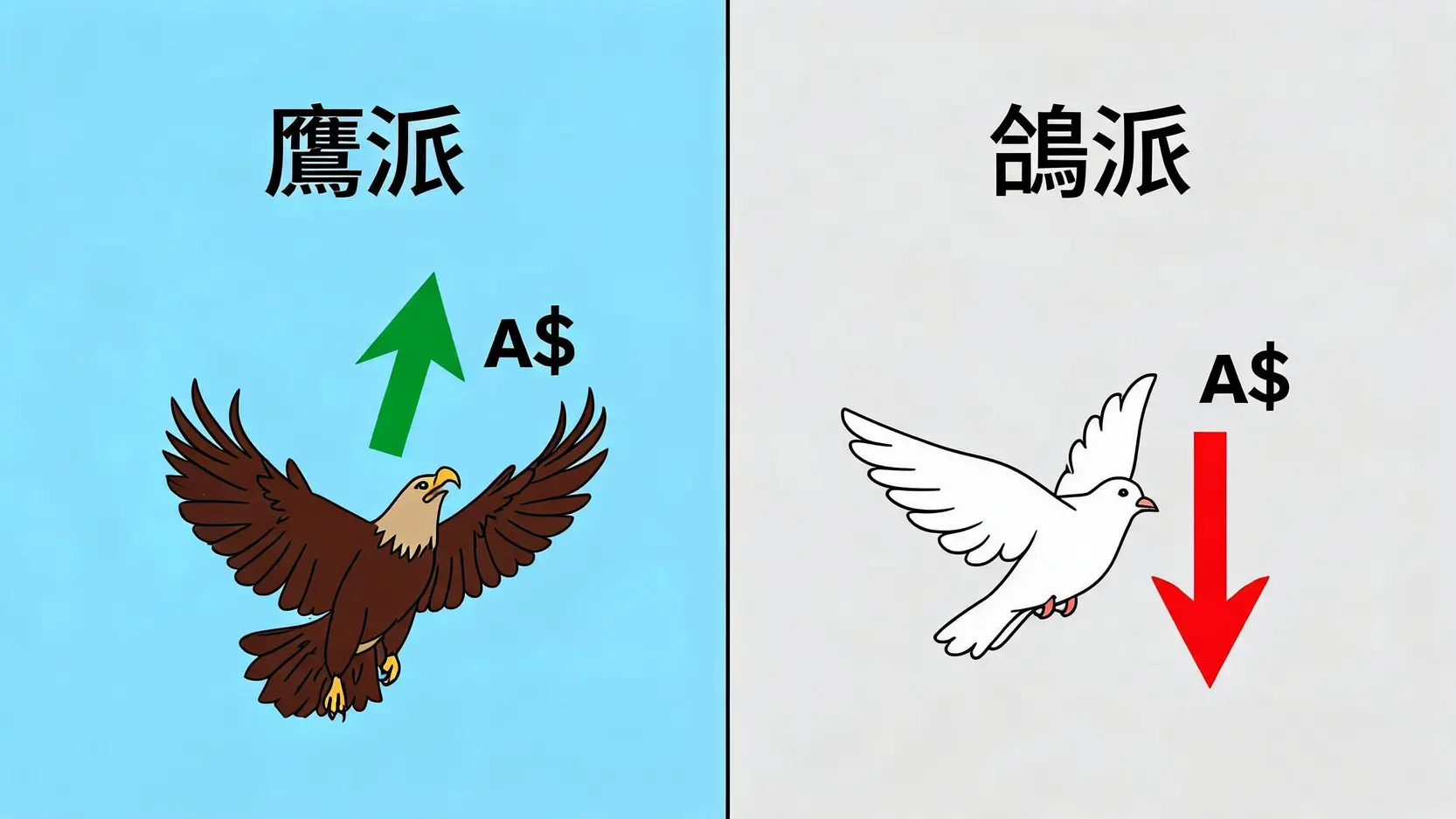
  • Hawkish wording: If the statement expresses optimism about the economic outlook or concerns over inflation, suggesting that future rate hikes may be necessary, the market interprets this as a “hawkish signal”. Even without an immediate rate hike, such expectations can strongly support the Australian dollar.
  • Dovish wording: Conversely, if the statement reflects concerns about economic growth or indicates easing inflationary pressures, suggesting that future rate cuts may be considered, it is viewed as a “dovish signal”. Even with no change in interest rates, the Australian dollar may come under selling pressure.

鷹派與鴿派貨幣政策對澳元走勢影響的對比圖,鷹派使澳元上漲,鴿派使澳元下跌。

Hawkish vs. Dovish: Two Ways the Market Interprets RBA Statements

For this reason, experienced traders analyze every word of the RBA’s statements, searching for clues about future policy direction. Even subtle changes in wording often have a greater impact on market movements than the interest rate itself, making them a key factor in understanding currency pair volatility.


Factor 2: The Direct Impact of Commodity Prices, Understanding the Australian Dollar’s Commodity Currency Characteristics

Australia is one of the world’s most resource-rich countries, and its economy relies heavily on commodity exports. As a result, the Australian dollar is widely regarded as a “commodity currency”, with its exchange rate closely tied to the prices of major global commodities. This relationship is an essential factor when analyzing AUD/USD volatility.


The Strong Correlation Between Iron Ore Prices and Australian Dollar Movements

Australia is the world’s largest exporter of iron ore, which is also its most valuable export commodity. As a result, fluctuations in international iron ore prices directly affect Australia’s export revenue and overall economic health. When iron ore prices rise, Australia’s export income increases, improving its trade balance and supporting the Australian dollar. The opposite is also true. Historical data shows a significant positive correlation between AUD/USD and iron ore prices. Therefore, monitoring changes in Chinese demand (as China is the world’s largest iron ore importer), along with global iron ore supply and demand conditions, is essential for forecasting the Australian dollar’s long-term direction.


How Gold, Copper, and Other Commodity Prices Affect Market Sentiment

In addition to iron ore, Australia is also a major exporter of gold, copper, coal, and other commodities. While these commodities do not influence the Australian dollar as directly as iron ore, their impact should not be overlooked.

  • Gold: Gold is not only one of Australia’s major exports but also a global safe-haven asset. During periods of heightened market uncertainty (such as geopolitical tensions), capital often flows into gold, providing some support for the Australian dollar.
  • Copper: Copper prices are often regarded as a “barometer” of the global economy. Rising copper prices generally indicate stronger industrial activity and economic growth, creating positive market sentiment that benefits risk-sensitive currencies such as the Australian dollar.

Overall, monitoring daily price movements in major commodity futures markets helps traders better understand the Australian dollar’s current strength and identify the potential direction of currency pair volatility.


Factor 3: China’s Economic Data Spillover Effect, Why Every Australian Dollar Trader Should Watch It Closely

As Australia’s largest trading partner, China’s economic performance has a significant impact on Australia’s economy. Consequently, major Chinese economic data releases often trigger immediate reactions in AUD/USD. For Australian dollar traders, monitoring Chinese economic data is almost as important as tracking Australia’s own economic indicators.


Why Are China’s PMI and GDP Essential Indicators for Australian Dollar Traders?

China’s economic performance directly determines its demand for Australian resources such as iron ore and coal. The following indicators deserve particular attention:

  • Purchasing Managers’ Index (PMI): This is a leading indicator of manufacturing and services activity. When China’s PMI exceeds market expectations, it signals expanding economic activity and stronger demand for Australian commodities, which is generally positive for the Australian dollar. Conversely, weak PMI figures are typically bearish for the currency.
  • Gross Domestic Product (GDP): GDP measures the overall size of an economy. Changes in China’s GDP growth rate directly reflect the strength of its economic engine, significantly influencing global commodity demand and, consequently, the Australian dollar.
  • Industrial Production and Retail Sales: These indicators provide additional insight into China’s domestic economic activity and also influence market expectations for commodity demand.


How US-China Trade Relations Indirectly Affect AUD/USD Volatility

Trade relations between the world’s two largest economies, the US and China, have a profound impact on global market sentiment. When US-China trade tensions escalate, markets become concerned about disruptions to global supply chains and weaker global economic growth. During such periods of uncertainty, investors typically reduce exposure to risk-sensitive currencies like the Australian dollar and shift into safe-haven currencies such as the US dollar and Japanese yen, causing AUD/USD to decline. Conversely, when trade relations improve and agreements are reached, market risk appetite generally recovers, supporting gains in the Australian dollar.

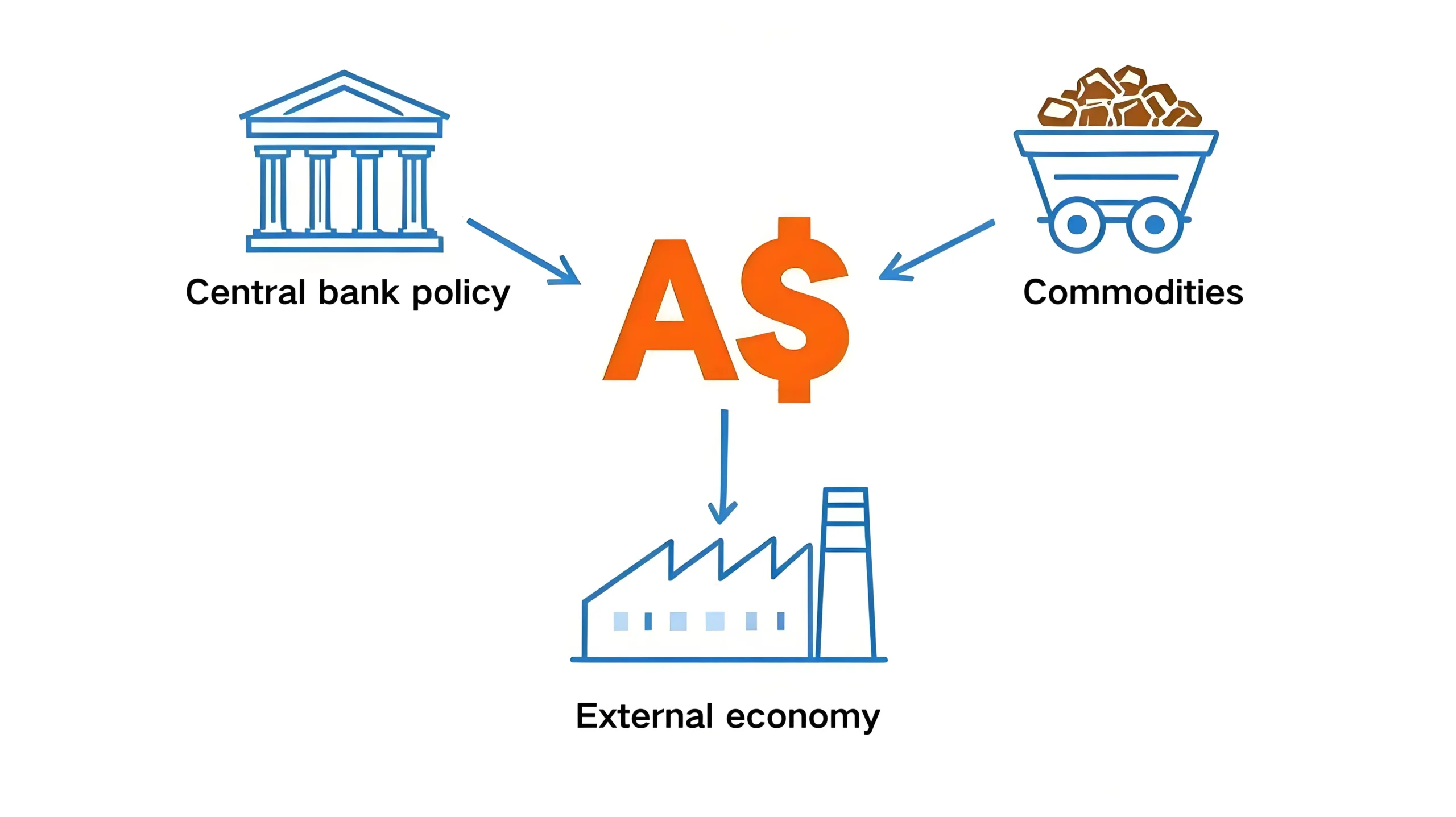
The Three Core Drivers of Australian Dollar Volatility


Practical Tools and Volatility Management Techniques to Effectively Control Trading Risk

Once you understand the factors driving AUD/USD volatility, the next step is learning how to measure and manage it. Doing so not only helps reduce risk but also enables you to identify trading opportunities during periods of heightened market activity. Effective forex risk management is essential.


How to Use the ATR Indicator (Average True Range) to Measure and Assess Volatility

The Average True Range (ATR) is a purely technical indicator designed to measure market volatility. It does not indicate price direction. Instead, it shows the average price movement over a specific period.

  • Rising ATR: Indicates increasing market volatility, with larger price swings.
  • Falling ATR: Indicates the market is becoming calmer, with lower volatility.

Practical Application: Traders can use the ATR to set stop-loss levels. During periods of high volatility (high ATR), stop-losses can be placed farther away to avoid being stopped out by normal market “noise”. During periods of low volatility (low ATR), tighter stop-losses can be used. This is an effective way to adjust risk dynamically.


How to Adjust Position Size and Leverage Before Major Economic Releases

Ahead of major events such as an RBA interest rate decision or significant economic data from China or the US, market uncertainty rises sharply. At these times, the smartest strategy is not to predict the market’s direction, but to manage risk proactively. Here are some practical suggestions:

  • Reduce position size: If you normally trade one standard lot, consider reducing your position to 0.5 lots or less before the data release.
  • Lower leverage: Higher leverage amplifies both profits and losses. When increased volatility is expected, reducing leverage is a key step in protecting your trading account.
  • Stay out of the market: For traders with lower risk tolerance or limited experience, the best strategy may be to “stay on the sidelines”. Waiting until after the data is released, when the market direction becomes clearer and volatility normalizes, is often the more prudent approach.


Financial News Sources and Apps for Tracking Volatility

To anticipate and respond to market volatility effectively, timely information is essential. Here are some reliable sources:

  • Economic Calendar Apps: Investing.com, FXStreet, and Myfxbook provide detailed economic calendars, including release schedules, previous figures, forecasts, actual results, and event importance.
  • Leading Financial Media: Reuters and Bloomberg deliver timely, authoritative news and in-depth market analysis.
  • Central Bank Official Websites: Visit the official websites of the Reserve Bank of Australia (RBA) and the Federal Reserve (Fed) to access meeting minutes and policy statements directly from the source.


Frequently Asked Questions (FAQ) About AUD/USD Currency Pair Volatility

Q: During which trading session is AUD/USD the most volatile?

A: AUD/USD is generally most active during two trading sessions. The first is the Asian session (particularly after the Sydney and Tokyo markets open) when key Australian and Chinese economic data are released. The second is after the New York session opens, when US economic data can significantly influence the US dollar and, in turn, AUD/USD. The overlap between the London and New York sessions (which lasts about four hours), typically offers the highest liquidity and volatility.

Q: Which economic data should I monitor when trading AUD/USD?

A: You should monitor economic data from three countries:
1. Australia: RBA interest rate decisions, Consumer Price Index (CPI), employment reports, and retail sales.
2. China: Purchasing Managers’ Index (PMI), Gross Domestic Product (GDP), and import and export data.
3. US: Federal Reserve (Fed) interest rate decisions, Nonfarm Payrolls (NFP), and Consumer Price Index (CPI).

These data releases can all have a significant impact on AUD/USD.

Q: How can I tell whether current volatility is an opportunity or a trap?

A: That depends on your trading strategy and risk management skills. For trend traders, a clear trend triggered by major economic data can present an excellent opportunity. For scalpers and short-term traders, higher volatility means more trading opportunities. However, without a clear trading plan and disciplined stop-loss strategy, high volatility can easily become a trap that leads to rapid losses. The key is to define your exit strategy before entering a trade and never trade without protection.

Q: Is AUD/USD suitable for beginners?

A: Due to its high liquidity and relatively transparent fundamental drivers, AUD/USD is one of the preferred starting points for many traders. However, its high volatility also presents challenges for beginners. Before trading, new traders should thoroughly understand the three core factors that drive its volatility and begin with a demo account or small trading positions, focusing on risk management rather than pursuing quick profits.


Conclusion

In summary, AUD/USD currency pair volatility is primarily driven by three core factors: the Reserve Bank of Australia’s (RBA) monetary policy, commodity prices such as iron ore, and the economic performance of Australia’s largest trading partner, China. Developing a deep understanding of how these three forces interact is fundamental to interpreting Australian dollar movements. Traders should not focus solely on price charts but also understand the underlying drivers behind market movements. By making effective use of technical tools such as the ATR and applying disciplined position management at critical moments, traders can better navigate the high volatility of AUD/USD.

If you liked this article, please share it!

Related Articles

  • Japan Investment Risks: 5 Hidden Risks Beyond the Yen
    Essential Reading on Japan Investment Risks: Five Potential Risks You May Not Know Besides Yen Depreciation Driven by the historic depreciation of the yen, global capital is flowing into Japan with unprecedented enthusiasm. Both the stock market and the real estate market are showing a thriving picture. The market is...
    2026 年 6 月 23 日
  • Gold Price Outlook 2026: Will the Bull Market Continue?
    Will the Gold Price Bull Market Continue? 2026 XAUUSD Trend Analysis, Experts Reveal Three Key Drivers Recently, gold prices have repeatedly hit new highs, and the market is actively debating whether gold has entered a new historic gold price bull market. Many investors are both excited and concerned, wondering how...
    2026 年 6 月 23 日
  • XAUUSD Trading Guide: Trends & Beginner Strategies
    Ultimate Guide to Trading XAUUSD Trends: From Candlestick Teaching to Practical Strategies for Stable Profits for Beginners XAUUSD (spot gold against the US dollar), as one of the world’s most popular trading instruments, offers abundant profit opportunities through its sharp price fluctuations, but also comes with considerable risk. Many beginners...
    2026 年 6 月 23 日
返回顶部