IG Markets Guide: CFD Review, Fees & Platform Tutorial

Updated: 2026/03/10  |  CashbackIsland

ig-markets-cfd-review

[Complete Guide to IG Markets] IG CFD Review, Platform Tutorial, and In-Depth Analysis of Trading Fees

Want to start trading contracts for difference (CFDs), but feel both excited and concerned about the IG Markets platform? You have heard that IG CFD reviews are positive, yet you worry that IG trading platform fees may not be transparent and are unsure how to begin. This ultimate guide is designed specifically for you. We will break down platform security, CFD reviews, a complete account opening tutorial, and most importantly, trading fees step by step. Through a detailed IG Markets tutorial, you can make thorough preparations before trading and confidently take your first step.


What Is IG Markets? A Comprehensive Platform Review

IG Markets is more than just a name. It represents nearly half a century of financial trading history. Founded in London, United Kingdom, in 1974, IG has grown into one of the largest online trading providers in the world and is a listed company on the FTSE 250 Index. Its strength is beyond doubt.


IG Markets Background and Regulation: Is It Safe and Reliable?

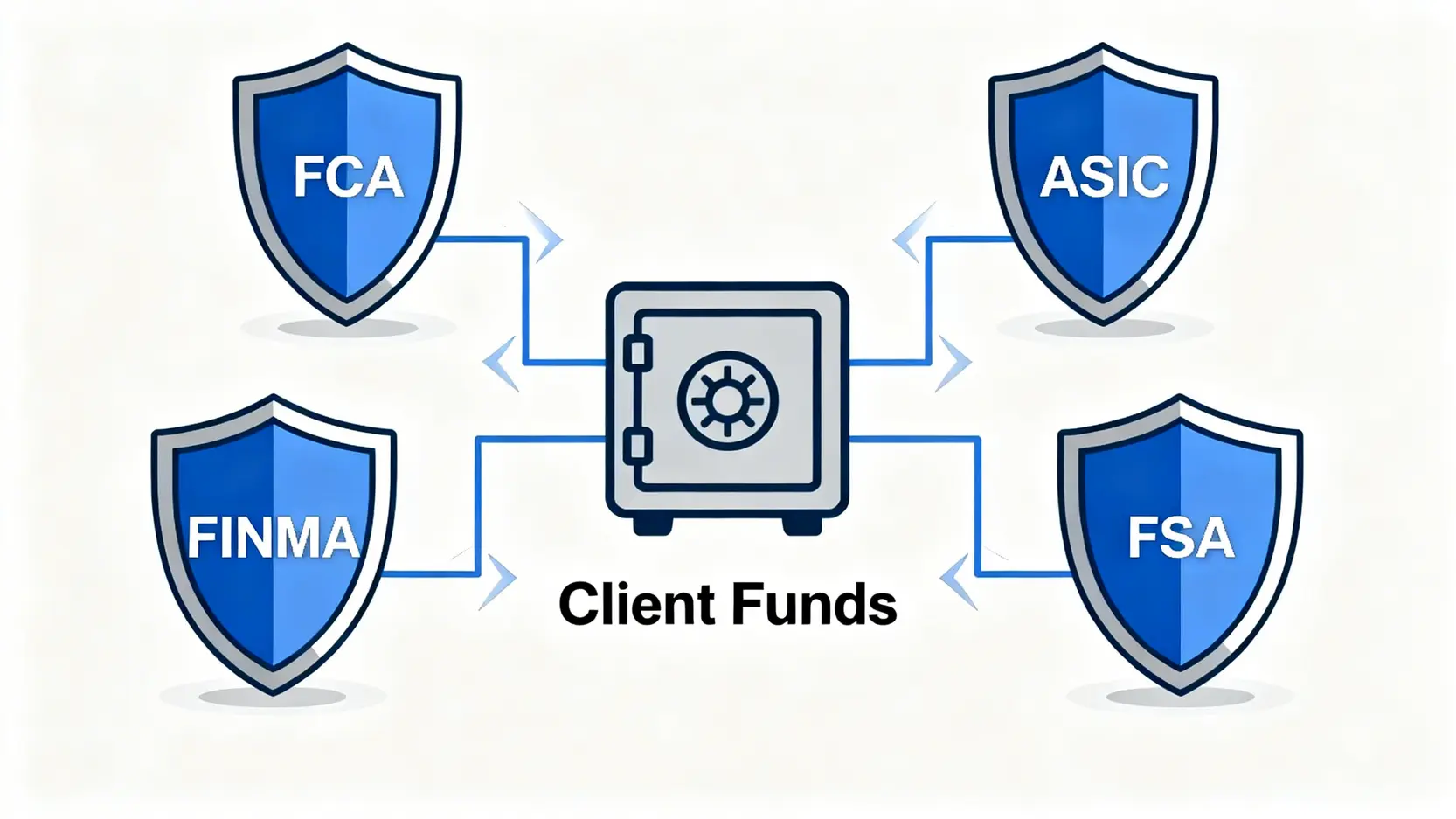
For investors, fund security is always the top priority. IG Markets’ longevity is largely due to its strict global regulatory oversight. It is regulated by multiple top-tier financial authorities worldwide, providing several layers of protection for your investments:

  • Financial Conduct Authority (FCA): As one of the strictest regulators globally, the FCA imposes very high requirements on brokers in terms of capital adequacy and client fund segregation.
  • Australian Securities and Investments Commission (ASIC): A leading regulator in the Asia-Pacific region, ensuring fair and transparent platform operations.
  • Other authorities include the Swiss Financial Market Supervisory Authority (FINMA) and the Financial Services Agency (FSA) of Japan, among other national regulators.

IG Markets受全球多家頂級金融機構監管,客戶資金安全示意圖

IG Markets Is Regulated by Multiple Global Authorities to Ensure Client Fund Security

In simple terms, IG Markets is absolutely not a scam platform. Client funds are held in segregated trust accounts, completely separate from company operating funds, ensuring that even if the company encounters issues, your funds remain protected. This level of security is something many smaller platforms cannot match.


Summary of IG CFD Trading Advantages and Disadvantages

No platform is perfect, and IG Markets is no exception. Below is an objective analysis of its strengths and weaknesses to help you quickly determine whether it suits your needs:

Advantages

Disadvantages

Strict Regulation and Excellent Reputation: Listed company background, regulated by multiple top-tier global authorities, offering extremely high security. Higher Stock CFD Fees: Compared with other products, stock CFD trading costs (including commissions) are relatively higher.
Extensive Range of Trading Products: Over 17,000 global financial market instruments, covering forex, indices, stocks, cryptocurrencies, and more. Relatively Professional Platform Interface: For complete beginners with no experience, initial use may require some time to adapt.
Powerful Trading Platforms: Proprietary web platform and mobile app that are stable and smooth, with additional support for third-party platforms such as MT4. Account Inactivity Fee: If the account remains inactive for an extended period, a certain fee will be charged.
Comprehensive Educational Resources: Provides a large amount of free online courses, market analysis, and news to help traders grow.  


What CFD Trading Products Does the Platform Offer?

One of IG Markets’ biggest selling points is the breadth of its product range, which can be described as a true “one-stop” solution for all your trading needs. Through contracts for difference (CFDs), you can flexibly buy (go long) or sell (go short) and capture every market opportunity.

  • Forex: Offers more than 80 currency pairs, including major, minor, and emerging market pairs such as EUR/USD and USD/JPY.
  • Indices: Covers major global stock indices, such as the US S&P 500, Nasdaq 100, Hong Kong’s Hang Seng Index, and Germany’s DAX.
  • Shares: Allows trading of thousands of stock CFDs from markets including the US, UK, Hong Kong, and Australia, such as Apple (AAPL), Tesla (TSLA), and Tencent Holdings (0700.HK).
  • Commodities: Includes precious metals such as gold and silver, as well as energy products such as crude oil and natural gas.
  • Cryptocurrencies: Provides CFD trading on major cryptocurrencies such as Bitcoin and Ethereum.


Further Reading (Highly Recommended)

[Forex Tutorial 2024] The Ultimate Beginner’s Guide to Investment: Master Forex Trading Skills From 0 to 1!

Recommended Forex Trading Platforms: Top 10 Currency Pair Forex App Reviews and Ultimate Market Analysis Software Guide


IG Markets Beginner Tutorial: From Account Opening to Your First Trade

After reading the platform overview, are you eager to get started? No need to rush. Follow the IG Markets tutorial below, from account opening to placing your first order, and learn step by step with ease.


[Illustrated Guide] Complete the IG Markets Account Opening Process in 5 Steps

IG’s account opening process is highly digitalized and convenient, and the application can usually be completed within 15 minutes.

  1. Visit the official website and click “Open a trading account”: First, go to the IG Markets official website, select your region, and click the account opening button.
  2. Fill in basic personal information: Enter your name, email address, phone number, and set your login password as required.
  3. Complete identity verification (KYC): This is a standard regulatory requirement. You need to upload proof of identity (such as a passport or identity card) and proof of address (such as a bank statement or utility bill issued within the past three months).
  4. Complete the trading experience questionnaire: Honestly answer questions about your income situation and investment experience. This ensures the platform understands your risk tolerance.
  5. Wait for account approval: After submitting your application, the IG team will review it. You will generally receive the result by email within 1 to 2 business days.


Deposit and Withdrawal Tutorial: Timeframes, Fees, and Key Considerations

After successfully opening your account, the next step is to deposit funds and start trading. IG provides multiple deposit and withdrawal methods to meet the needs of users in different regions.

  • Deposit methods:
    • Credit Card (Debit Card): The most commonly used method, with instant processing and high convenience.
    • Bank Transfer: Requires 1 to 3 business days for processing and is suitable for larger fund transfers.
    • Electronic Wallets (in certain regions): For example, PayPal, which also offers relatively fast processing.
  • Withdrawal methods: Withdrawals are usually returned via the original deposit channel. For example, if you deposit by credit card, the withdrawal will be refunded to the same card. Processing time is generally 1 to 5 business days.
  • Fees: IG itself does not charge fees for most deposit and withdrawal methods, but you should check whether your bank or credit card provider may charge cross-border or currency conversion fees.


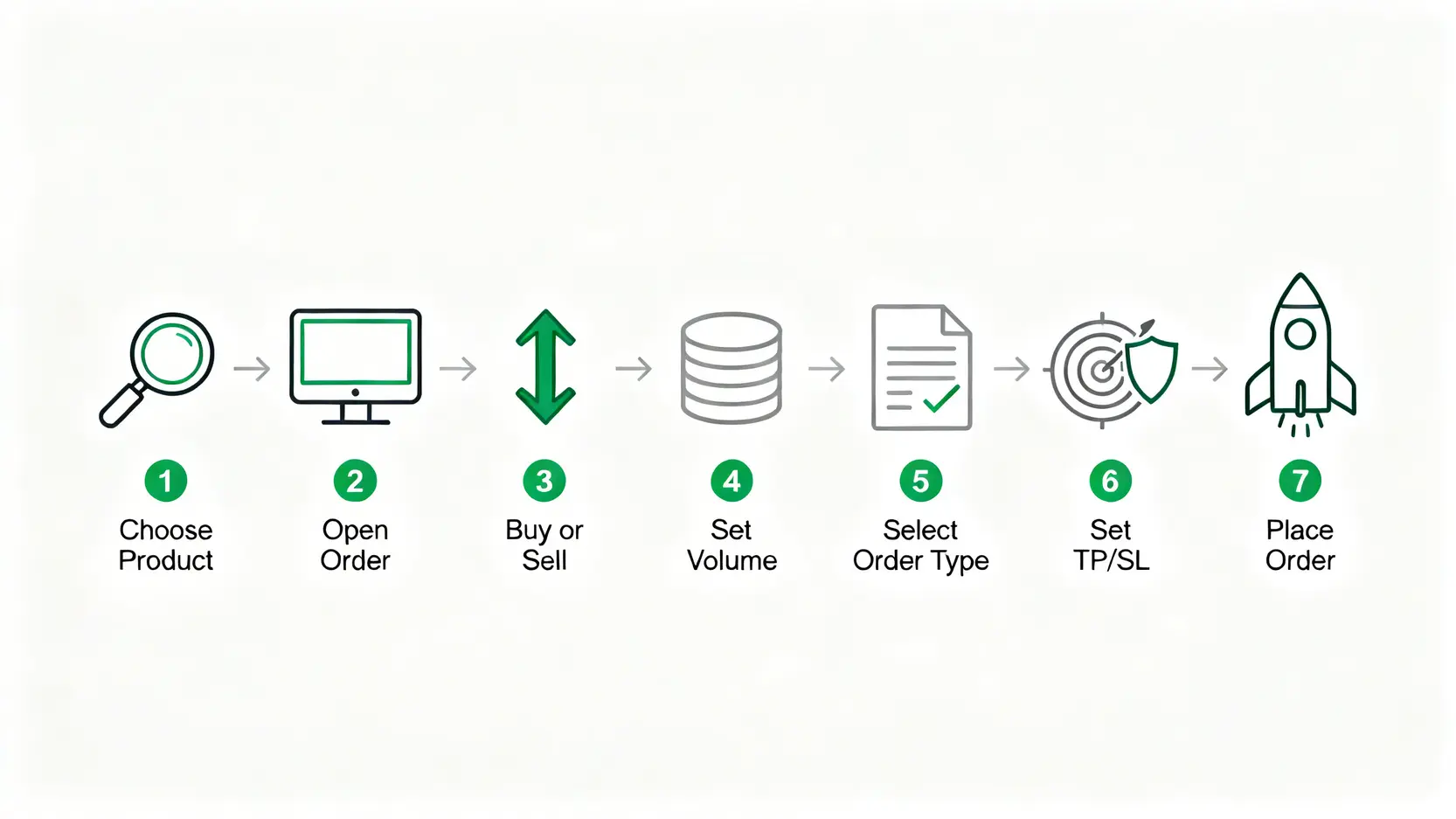
How to Place CFD Orders on the IG Platform? (Market Orders and Limit Orders)

Once your funds are credited, you can place your first trade on the IG platform. Whether using the web version or the mobile app, the process is intuitive.

  1. Select a trading product: In the market list on the left side of the platform, find the product you want to trade, such as “EUR/USD” under the “Forex” category.
  2. Open the order window: Click the product to open the trading window, where you will see real-time bids and ask prices.
  3. Choose your trading direction: If you believe the price will rise, select “Buy”; if you believe it will fall, select “Sell”.
  4. Enter trade size: The lot size represents your trading volume. Beginners are advised to start with the minimum lot size (such as 0.01 lot).
  5. Set order type:
    • Market Order: Executes immediately at the best available market price.
    • Limit Order: Sets a specific price at which the order will only execute once the market reaches your chosen level. This helps control costs or lock in profits.
  6. Set Stop-Loss and Take-Profit: Beginners are strongly advised to set both. A stop-loss automatically closes your position if the price moves against your expectation, helping to control losses. A take-profit automatically closes your position once your target profit is reached.
  7. Confirm the order: After reviewing all settings, click the “Place Order” button, and your first trade will be successfully opened!

IG平台CFD交易下單七步驟流程圖

The trading process is clear at a glance: from selecting a product to successfully placing an order


Complete Breakdown of IG Trading Platform Fees

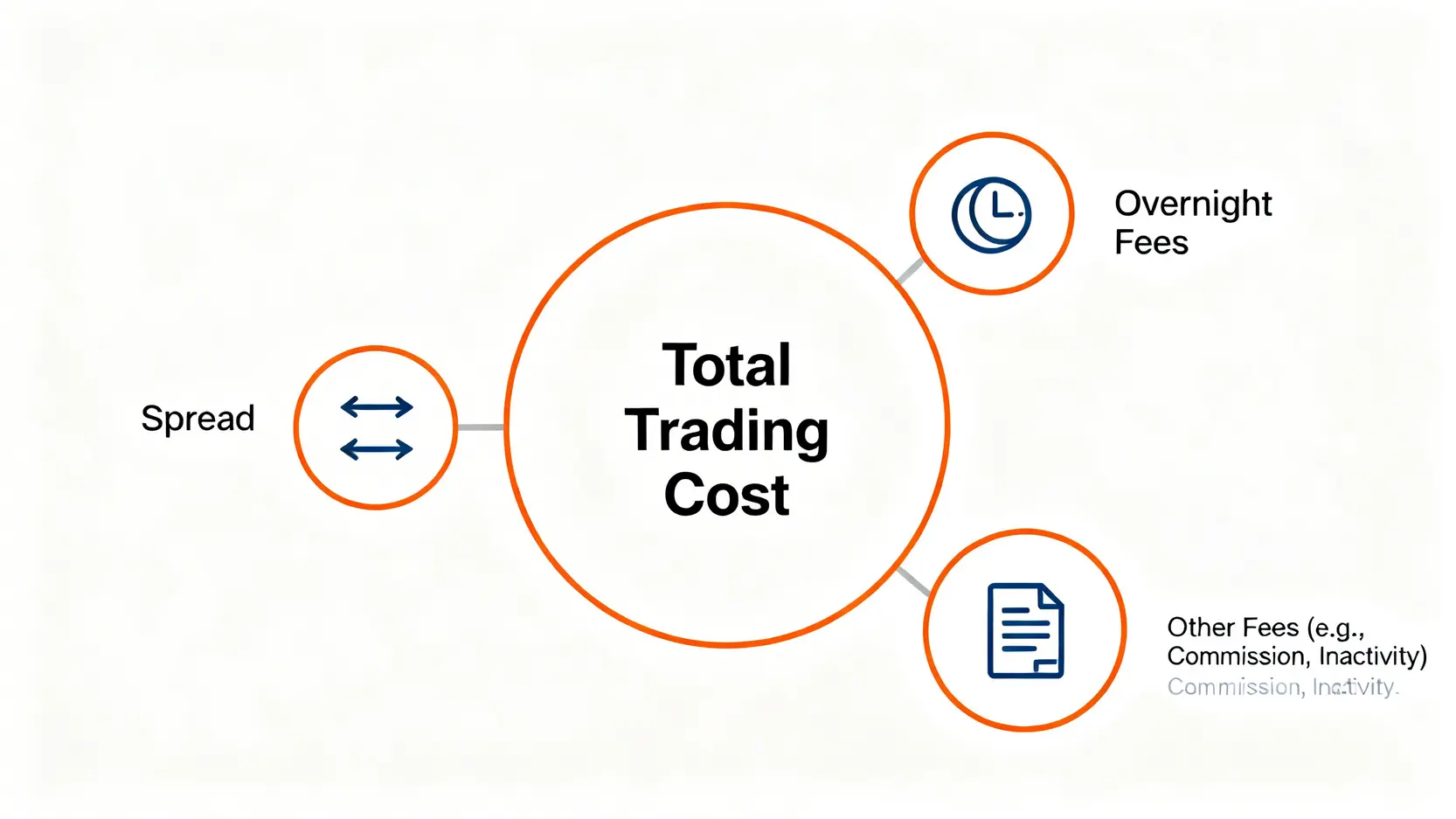
Trading costs directly affect your final profit, so understanding the structure of IG trading platform fees is essential. IG’s pricing structure is relatively transparent and mainly consists of the following components.

IG交易平台手續費構成圖,包含點差、隔夜利息及其他費用

IG trading costs mainly consist of three parts: spreads, overnight financing, and other fees


Primary Trading Cost: How Is the Spread Calculated?

The spread is the main trading cost on the IG platform. It refers to the difference between the “buy” price and the “sell” price of a product. When you open a position, you effectively pay the spread cost.

  • Calculation method: Spread = Buy price – Sell price
  • Example: If EUR/USD is quoted at 1.0850 (sell price) / 1.0851 (buy price), the spread is 0.0001, which equals 1 pip.
  • Characteristics: IG spreads are variable and fluctuate according to market volatility. Generally, the more active and liquid the market, the narrower the spread. Popular products such as EUR/USD can have spreads as low as 0.6 pips.


Overnight Fees: Important for Long-Term Positions

If your position is held past midnight server time (typically 10 pm UK time), you will need to pay or receive overnight financing, also known as funding cost or swap.

  • Cause: Because CFD trading is conducted on margin, you are effectively borrowing funds from the broker to amplify your position. Overnight financing is the borrowing cost calculated based on the interest rate differential between the currency pair you hold.
  • Calculation: If you buy a high-interest-rate currency and sell a low-interest-rate currency, you may earn overnight financing. Conversely, you will need to pay for it. You can check the specific rates on the IG platform’s product information page.
  • Note: Weekend overnight financing is charged in a lump sum on Wednesday or Friday, so the fee on that day will be three times the usual amount.

Other Hidden Fees: Inactivity Fees and Additional Charges

In addition to spreads and overnight financing, certain situations may incur extra fees:

  • Inactivity Fee: If your account has no trading activity for 24 consecutive months or more, IG will begin charging a monthly inactivity fee of USD 18 (or the equivalent in other currencies) until you resume trading or the account balance reaches zero.
  • Stock CFD Commission: When trading stock CFDs, in addition to the spread, IG charges a fixed-rate commission, which varies by stock market. For example, US stock commission is typically USD 0.02 per share, with a minimum charge of USD 15.
  • Guaranteed Stop Fee: If you choose to use the “Guaranteed Stop” advanced feature (which ensures that your stop order is executed at the specified price under any market conditions without slippage), the platform will charge an additional fee at the time you place the order.

Conclusion

In summary, with its long history, strict global regulatory coverage, extremely diverse range of trading products, and powerful platform functionality, IG Markets is undoubtedly one of the most top-tier and trustworthy brokers in the market today. Whether you are a conservative investor seeking capital security or an active trader looking to trade diversified products, IG can meet your needs. The IG CFD review and detailed guide provided in this article are intended to offer you the clearest and most comprehensive information, enabling you to objectively assess whether the IG trading platform aligns with your investment style and goals. Once you have a clear understanding of IG trading platform fees and are ready, you can begin your trading journey with confidence.

Frequently Asked Questions About IG Markets Reviews

Q: Is IG Markets a scam (unregulated broker)?

A: Absolutely not. IG Markets is a UK-listed company with nearly 50 years of history and (a constituent of the FTSE 250 Index). It is regulated by multiple of the world’s most stringent financial authorities, including the UK FCA and Australia’s ASIC. Client funds are also held in segregated custodial bank accounts, offering a very high level of security, making it one of the most reputable brokers in the industry.

Q: What Is the Minimum Deposit Requirement for the IG Trading Platform?
A: IG Markets does not impose a mandatory minimum deposit requirement. However, if you fund your account via credit or debit card, the minimum single deposit is typically USD 300 (or the equivalent in other currencies). To ensure sufficient capital for trading and effective risk management, beginners are generally advised to deposit at least USD 500 to 1000 as initial capital.

Q: What Is the Maximum Leverage Available for IG CFD Trading?
A: Leverage levels vary depending on the regulatory requirements of your region, your account type (retail or professional), and the products you trade. Under retail client regulations in major regions such as the UK and Australia, the maximum leverage is typically 30:1 for major forex currency pairs, 20:1 for indices, and 5:1 for stocks. Applying for professional client status allows access to higher leverage, but you will forgo certain retail client protections.

Q: What Trading Platforms Does IG Markets Offer?
A: IG offers a diverse selection of platforms. It provides its proprietary, highly rated web-based trading platform and mobile application (App), both powerful and stable. In addition, IG supports the widely used third-party platform MetaTrader 4 (MT4), as well as ProRealTime (PRT) charting software designed for advanced traders and the L2 Dealer platform (which offers direct market access DMA).

If you liked this article, please share it!

Related Articles

  • How Hedging Works: Hedge Fund Strategies & Trading Guide
    How Does Hedging Work? Advanced Hedge Fund Strategies and Practical Trading Guide In the rapidly changing financial markets, relying solely on a “buy-and-hold” strategy often makes it difficult to withstand severe market volatility and achieve stable long-term profits. If you have heard Wall Street leaders discuss risk hedging, you are...
    2026 年 7 月 14 日
  • What Is Hedging? A Beginner’s Risk Management Guide
    What Is Hedging? A Risk Management Guide Every Financial Beginner Should Read In the investment market, we often hear the term “hedging”, but what exactly does it mean? Why do professional investors use it? Hedging means adopting strategies to protect assets from adverse price movements. Whether in the stock, foreign...
    2026 年 7 月 14 日
  • 2026 US Treasury Yield Guide: Trends & Strategies
    2026 Complete Guide to US Treasury Yields: Trend Analysis, Impact of Surging Yields, and Asset Allocation Strategies In the rapidly changing global financial market, US Treasury yields have long been regarded as the most important benchmark for the risk-free rate. Entering 2026, amid recurring shifts in inflation expectations and dynamic...
    2026 年 7 月 13 日
返回顶部