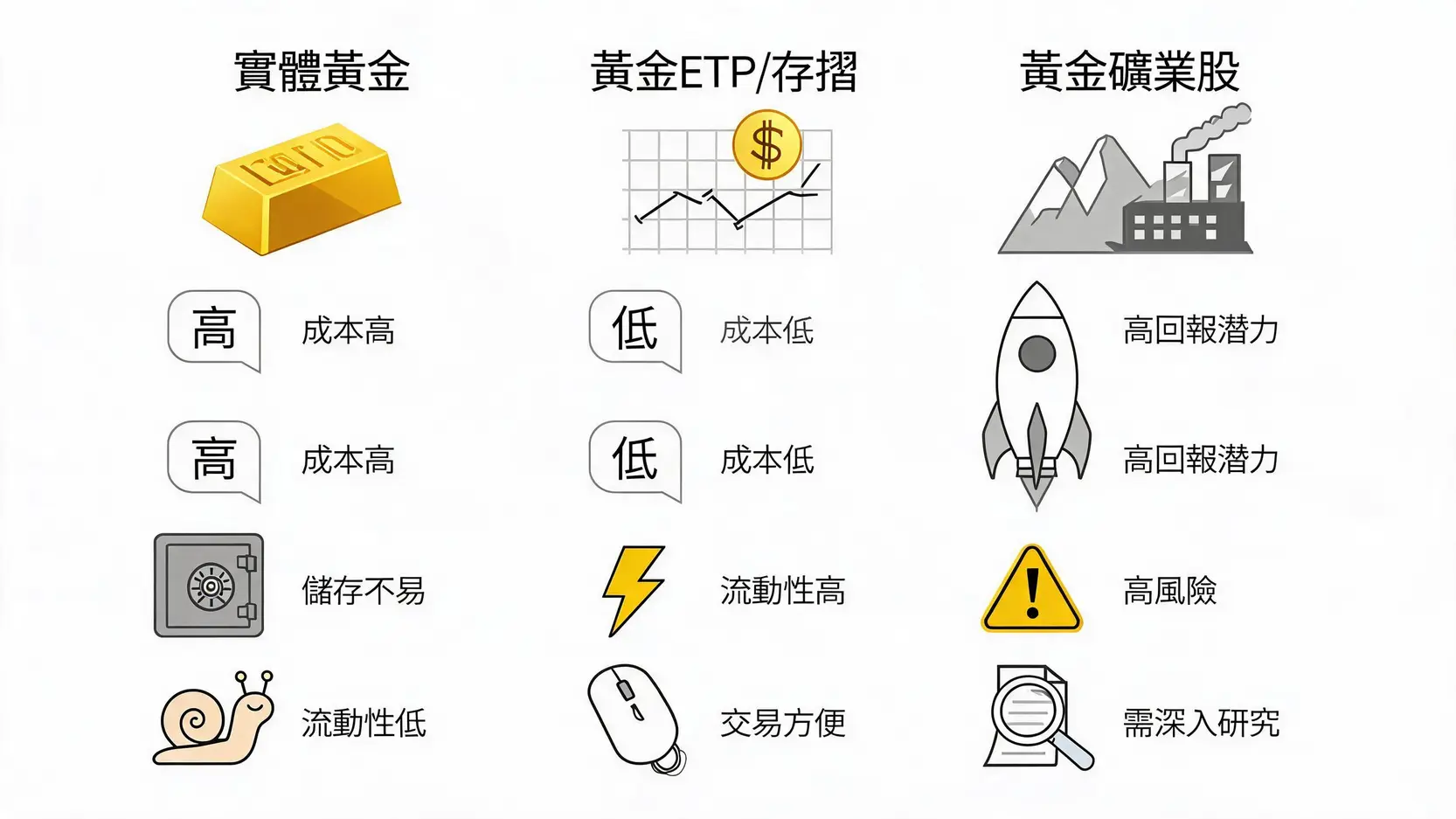
Comparison of the characteristics of physical gold, gold ETFs, and gold mining stocks.
Physical Gold (Gold Bars/Gold Jewelry): Advantages and Storage Cost Analysis
When it comes to investing in gold, the first thing many people think of is shining gold bars, gold bullion, or gold jewelry. The biggest advantage of physical gold is the “sense of security”. It is an asset you can see and touch, and there is no counterparty risk (such as a bank or broker going bankrupt). In extreme situations, (such as war or the collapse of the monetary system), physical gold is the ultimate means of payment.
However, its disadvantages are also quite obvious:
- Large bid-ask spread: There is a considerable gap between the buying price and selling price at gold shops, making short-term trading costs high.
- Storage and safekeeping are not easy: Keeping it at home carries the risk of theft; if you rent a bank safe deposit box, you need to pay additional fees.
- Lower liquidity: You need to personally go to a gold shop or bank to trade, and cannot buy and sell quickly like stocks.
In summary, physical gold is more suitable for investors with large amounts of capital, and whose purpose is long-term holding and asset inheritance.
Gold Passbooks/Gold ETFs: Mainstream Choices With Low Entry Barriers and High Liquidity
For ordinary investors, gold ETFs (exchange-traded funds) and gold passbooks are more convenient and flexible choices. Both tools are “paper gold”, and investors do not need to actually hold gold.
Gold passbooks: Issued by banks and denominated in grams or ounces, investors can buy and sell at any time through online banking, with an extremely low entry barrier. Their advantage is that they are simple and intuitive, but the disadvantage is that transaction costs (bid-ask spreads) are relatively higher than gold ETFs.
Gold ETFs: Listed and traded on stock exchanges, making them as convenient as buying and selling ordinary stocks. Investors only need to have a securities account to trade at any time during market hours. The advantages of gold ETFs are:
- Extremely low transaction costs: Bid-ask spreads are very small, and transaction taxes and fees are also relatively low.
- Extremely high liquidity: There are a large number of buyers and sellers in the market, allowing transactions to be completed at any time.
- Transparent prices: Closely track real-time international gold prices, with no ambiguity.
Because of their low-cost and high-liquidity characteristics, gold ETFs have become the most mainstream and efficient tool for gold allocation in the current market.
Further Reading (Highly Recommended)
Gold ETF Recommendations, Gold Passbooks, and Physical Gold Ultimate Comparison, Beginner Investment Guide
US Stock ETF Recommendations 2026: A Complete Guide to Tracking the Broad Market, Gold ETFs, and Risk Analysis
Gold Funds/Gold Mining Stocks: High-Risk, High-Return Indirect Investments
There is another indirect way to allocate gold, which is to invest in “gold funds” or directly buy “gold mining company stocks”. The performance of these investment tools is not only related to gold prices, but also affected by factors such as company operations, mining costs, and management efficiency.
When gold prices rise, the profits of these companies are amplified by leverage, and their stock price gains may far exceed gold itself; conversely, when gold prices fall or company operations are poor, the declines can also be quite astonishing. Therefore, this type of investment is a high-risk, high-return choice, more like “gold concept stocks” rather than a pure gold safe-haven tool. It is suitable for aggressive investors who have in-depth industry research and extremely high risk tolerance, and is not suitable for beginners who simply want to use gold for risk hedging.
Gold Allocation Frequently Asked Questions (FAQ)
Q: Gold does not generate interest, so why should I still allocate it?
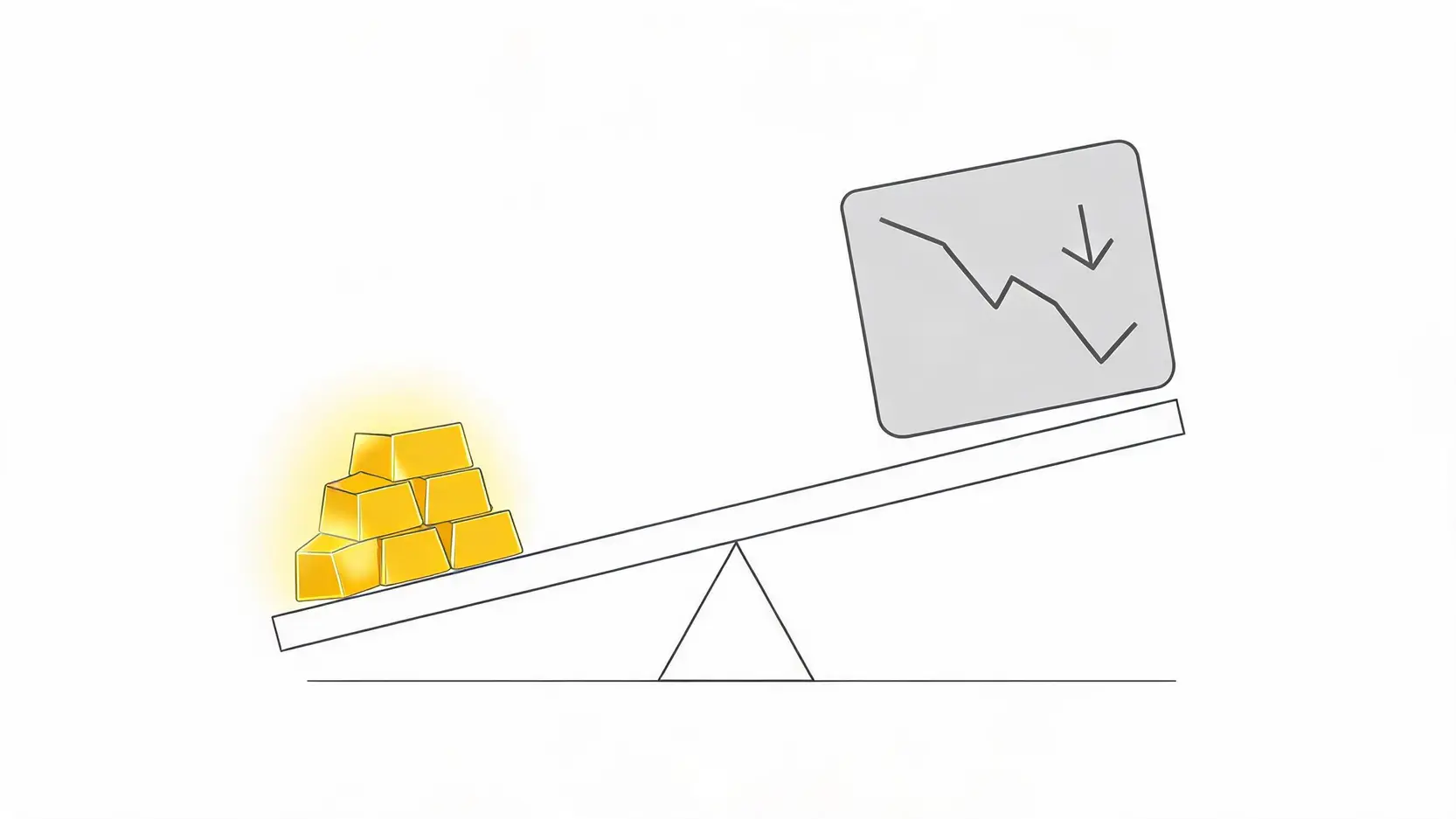
A: This question gets right to the point. Indeed, gold itself is a “non-yielding asset”. Unlike stocks, it does not pay dividends, and unlike bonds, it does not pay interest. The main purpose of holding gold is not to create cash flow, but to value its functions of “store of value” and “safe haven”. In a complete asset allocation, different assets play different roles. Stocks and bonds are responsible for generating returns, while gold is responsible for providing protection when other assets perform poorly, reducing the volatility of the overall investment portfolio. Its value lies in its stability and low correlation, not its yield-generating ability.
Q: After allocating gold, how often should I adjust the ratio?
A: It is recommended to conduct “rebalancing” at least once a year. For example, suppose your set gold allocation ratio is 10%. One year later, if gold prices rise sharply, gold may account for 15% of your total assets. At this time, you should sell part of your gold, reduce its proportion back to 10%, and invest the profits into assets whose proportion has declined (such as stocks). Conversely, if gold prices fall and the proportion drops to 5%, you should buy gold and restore it to 10%. This action can help you “lock in profits” and adhere to the principle of “buy low, sell high”, preventing the risk profile of your investment portfolio from shifting.
Q: Do young people also need gold allocation?
A: Absolutely. Many people mistakenly believe that gold is an asset only older people need to buy. This is a misconception. Although young people have longer investment horizons and can tolerate higher risk, meaning they should allocate most of their funds to growth assets such as stocks, allocating a small portion to gold (such as 5%) is still highly valuable. This not only helps build good risk diversification habits from a young age, but also protects part of your assets during unexpected financial crises, and may even provide the “ammunition” to enter the market during a crisis. Viewing gold allocation as the “ballast” of an investment portfolio is a wise move at any age.
Q: Gold prices are so high now. Is it still suitable to start gold allocation?
A: For strategic asset allocation, “market timing” is not the most important consideration. The purpose of gold allocation is long-term risk diversification, not short-term speculation for price differences. The key lies in “holding”, not “timing”. Regardless of whether gold prices are high or low, as long as your investment portfolio lacks this element that can fight inflation and market turbulence, you should begin building a position. Instead of guessing highs and lows, it is better to adopt a “buying in batches” strategy, such as gradually building your gold allocation to your preset target ratio over three to six months. This can effectively average out costs and avoid the risk of buying at a single high point.
Conclusion
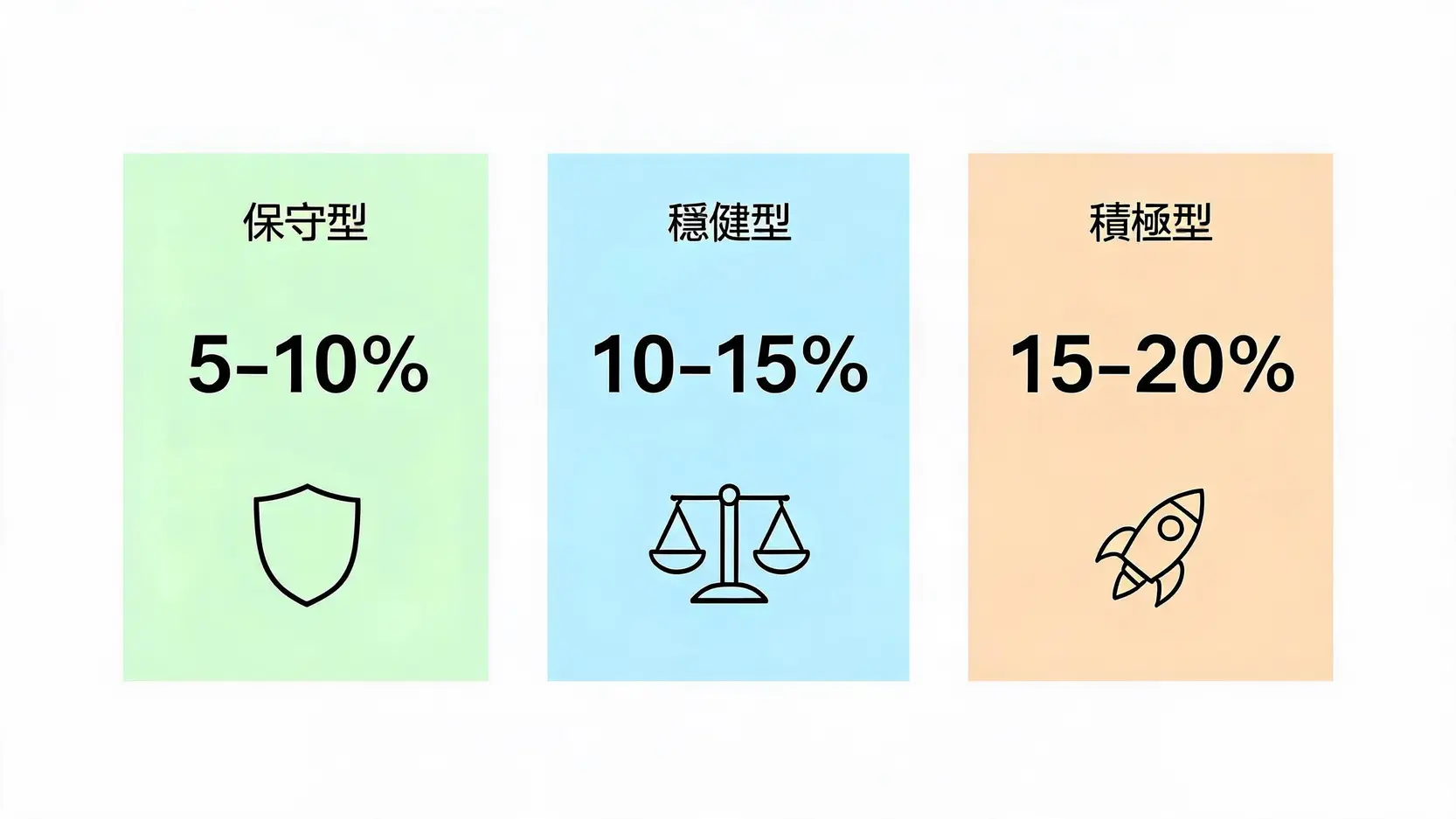
In summary, “gold allocation” is an indispensable part of a modern investment portfolio. Its safe-haven function in fighting inflation and market downturns is irreplaceable. It is not only a stabilizing force during crises, but also the cornerstone for improving the long-term resilience of an investment portfolio. From 5-10% for conservative investors to 15-20% for aggressive investors, investors should decide the gold allocation ratio that best suits their investment portfolio based on their own risk preferences and market judgment. In terms of tool selection, for most people, gold ETFs are undoubtedly the best choice that combines cost efficiency and liquidity. Establishing and maintaining an appropriate gold allocation will allow your assets to respond more calmly to future market challenges.