It Affects More Than Oil Prices! How Could US-Iran Tensions Send Your Trading Costs Soaring? A Response Guide for Investors and Business Owners
As we enter the second half of 2026, tensions between the US and Iran have once again become a major focus for global markets. When most people discuss conflict in the Middle East, their instinctive reaction is, “Oil prices are going to rise again”. However, this view is only half correct. The impact of geopolitical risk on markets extends far beyond oil prices, triggering a comprehensive storm surrounding US-Iran market trading costs. From the impact of global supply chain and shipping costs felt most acutely by business owners to fluctuations in the value of investors’ assets, no one is immune. A common misconception in the current market is overlooking the ripple effects beyond oil prices. This article will examine in depth how this crisis is driving up your hidden trading costs on three levels and provide the most practical response strategies for investors and business owners.
Escalating US-Iran Tensions: The Ripple Effects of Three Major Trading Costs
When Iran attempts to use its influence over the Strait of Hormuz as leverage in negotiations, a vital artery of the global economy immediately comes under threat. This is not merely military intimidation. It directly triggers a surge in three core trading costs, with the resulting ripple effects quietly eroding your profits and assets.
Soaring Energy Costs: Oil and Natural Gas Hit First
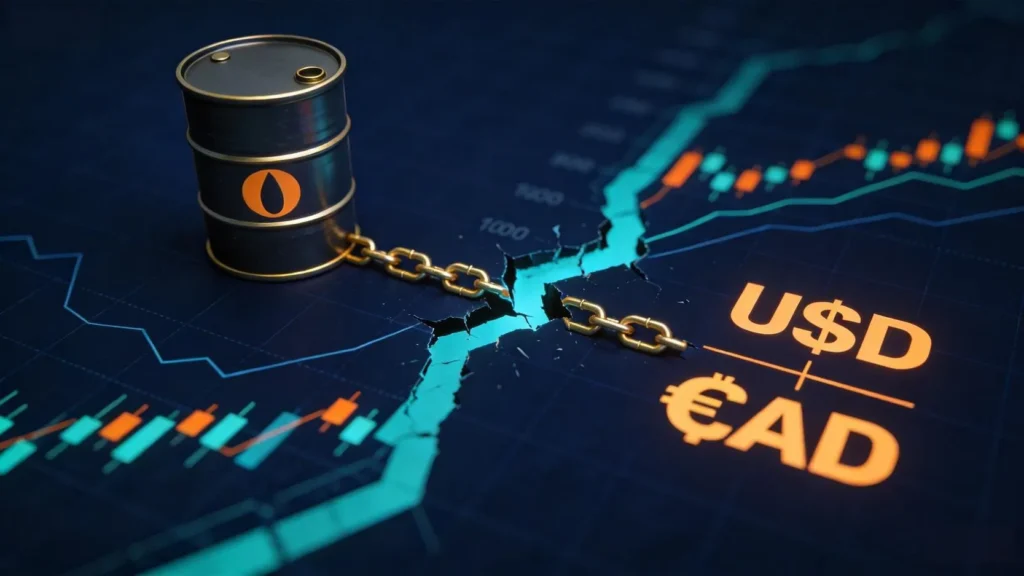
The first impact is naturally on international energy prices. After the news emerged, Brent crude oil futures quickly broke above US$95 per barrel. If market concerns intensify, expectations of oil prices reaching US$100 per barrel are not impossible. This shock is characterized by:
- Increased volatility: The concern is not only rising prices, but also severe volatility. This presents major challenges for businesses when preparing energy procurement budgets and places significant pressure on the profits of fuel-sensitive industries such as aviation and transportation.
- Rising natural gas prices: As an alternative to oil and a key industrial fuel, liquefied natural gas (LNG) prices are also rising, with a particularly significant impact on European and Asian economies that rely heavily on imported energy, such as Japan.
Shipping and Supply Chain Costs: Global Logistics Challenges Viewed Through the Strait of Hormuz
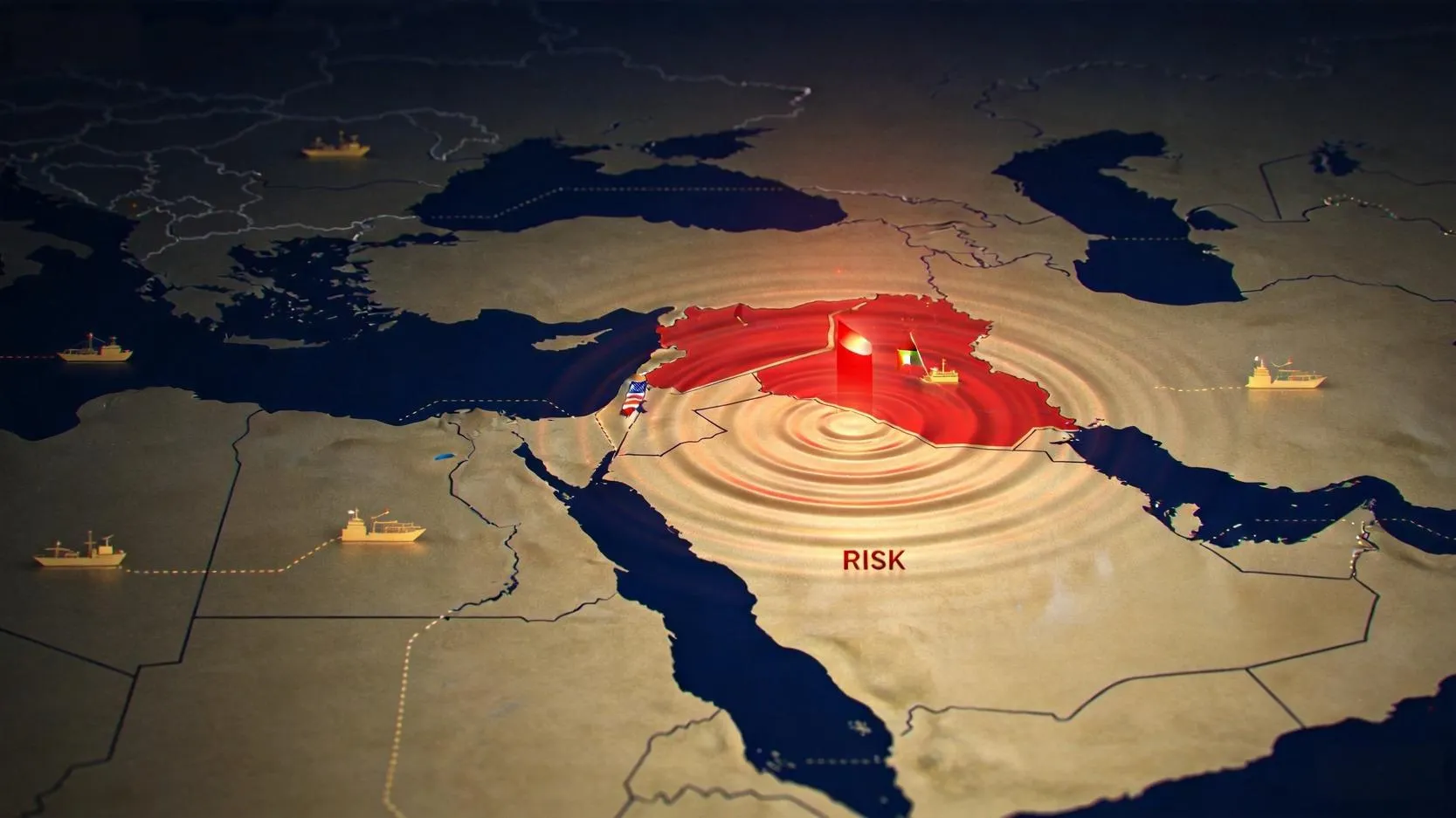
The Strait of Hormuz is the world’s most critical chokepoint for oil transportation, with approximately 20% of global oil supplies and large volumes of LNG passing through it each day on their way to destinations worldwide. Any attempt by Iran to block or disrupt shipping would create enormous challenges for global logistics. The increased costs faced by businesses include:
- War Risk Surcharge: Insurance costs for vessels passing through high-risk waters would rise sharply, and these costs would ultimately be passed on to cargo owners.
- Rerouting costs: To avoid risk, some shipping companies may choose to reroute around Africa’s Cape of Good Hope. This would not only add several weeks to voyage times, but also significantly increase fuel consumption and time costs, causing freight rates to surge. According to a report by the Central News Agency, such a move would have a major impact on global trade and oil prices.
- Port congestion and delays: Changes to shipping routes and increased uncertainty would disrupt vessel schedules at ports worldwide, creating new supply chain bottlenecks and further driving up warehousing and management costs.
Rising Raw Material Costs: Price Pressure on Steel and Industrial Metals
Energy and shipping are two fundamental costs of industrial production. When both rise simultaneously, cost pressures spread upstream to raw materials. Taking core industrial metals such as steel, copper, and aluminum as examples:
- Higher production costs: Metal smelting is an energy-intensive process, so rising energy prices directly increase manufacturing costs.
- Compounding transportation costs: Whether materials are transported from mines to factories or from factories to downstream manufacturers, soaring logistics expenses are added at every stage to the final quoted price.
For industries that depend on these basic materials, such as construction, automobile manufacturing, and electronics, this means profit margins will be severely squeezed, or costs will have to be passed on to consumers.
A Full Breakdown of the Cost Transmission Chain: From Geopolitics to Your Bills
The increase in trading costs caused by the US-Iran conflict does not remain confined to businesses. Like ripples, it moves through a clear transmission chain and ultimately affects everyone’s wallet and investment portfolio. Understanding this process is the first step toward making the right decisions.
First-Level Impact: The Direct Effects of Energy Price Volatility
This is the most direct and immediate impact. When you refuel your car or receive your latest electricity bill, you can immediately feel the “temperature” of geopolitics. Rising oil and electricity prices directly reduce household disposable income and weaken spending power.
Second-Level Transmission: Higher Business Operating Costs (Logistics and Manufacturing Costs)
The pressure then spreads to the production side. Businesses face a situation in which “everything is becoming more expensive”:
- Logistics costs: Freight rates and fuel surcharges rise across the board.
- Manufacturing costs: Prices for raw materials, electricity, packaging materials, and other inputs all increase.
- Operating costs: To cope with supply chain uncertainty, businesses may need to increase inventory, which in turn raises warehousing costs and the cost of tied-up capital.
To maintain profits, businesses have only two options: absorb the costs themselves or pass them on.
Final Impact: Consumer Inflation and Investment Market Reactions
When businesses choose to pass on costs, broad inflationary pressure emerges. From a bowl of noodles and a cup of coffee to electronics and automobiles, the prices of all goods and services may rise. This is known as “imported inflation”.
At the same time, investment markets will also react sharply:
- Stock market: Inflation expectations and cost pressures erode corporate earnings, placing overall pressure on the stock market, particularly severely affected sectors such as aviation and consumer discretionary.
- Bond market: To combat inflation, central banks may be forced to adopt more hawkish monetary policies (such as delaying interest rate cuts or even raising rates, causing bond prices to fall).
- Safe-haven assets: As market panic spreads, capital flows into traditional safe-haven assets such as gold and the US dollar.
Further Reading (Highly Recommended)
[Safe-Haven Asset Comparison] What Should You Invest in During a Recession? The Advantages and Disadvantages of Gold, the US Dollar, and the Japanese Yen …
[Complete 2025 Beginner’s Guide to US Stocks] From Market Opening Hours to ETF Recommendations
A Complete Guide to Investor Hedging: How to Protect Assets in a Volatile Market
Faced with market volatility triggered by US-Iran tensions, investors should not remain passive. Through appropriate asset allocation and instrument selection, they can not only protect their assets, but may also find opportunities during the crisis. Below are specific hedging strategies for investors in the Asia-Pacific region.
Safe-Haven Asset Allocation: The Roles and Timing of Gold and the US Dollar
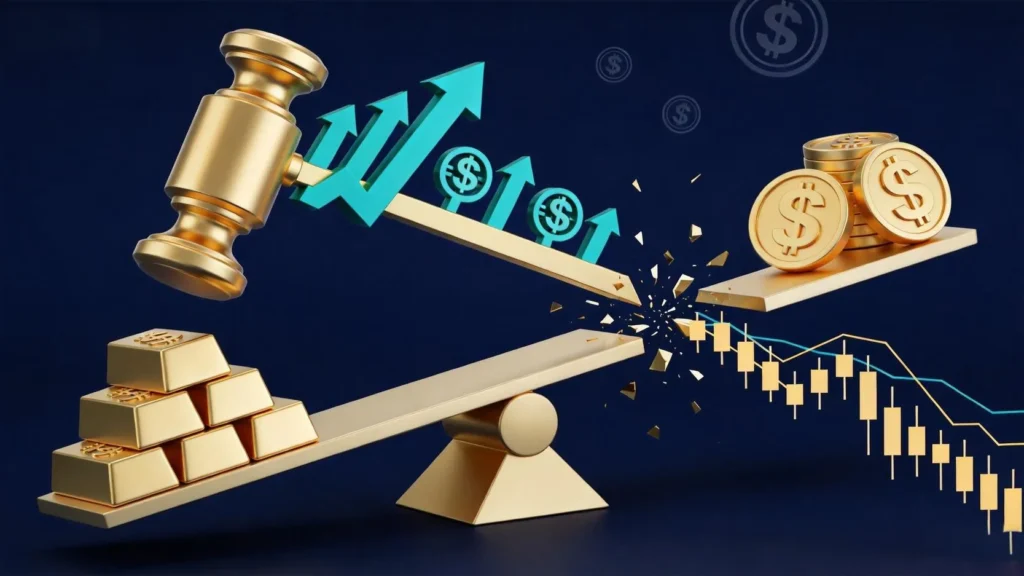
In an era of frequent black swan events, allocating safe-haven assets such as gold and the US dollar is crucial. Their functions and appropriate allocation timing are as follows:
- Gold:
Role: The ultimate safe haven, with the dual attributes of resisting inflation and hedging geopolitical risk. When fiat currencies depreciate because of inflation, gold’s value-preservation function becomes particularly prominent.
Timing: The early stage of escalating conflict, when market panic first emerges, is a good time to increase gold holdings. Current gold prices have already reflected some expectations, but this does not mean there is no further upside. Investors may consider building positions in stages.
- US Dollar (USD):
Role: The world’s primary reserve and settlement currency, offering excellent liquidity. During financial crises, global capital flows into US dollar-denominated assets (such as US Treasury bonds) for safety, pushing up the US Dollar Index.
Timing: The US dollar’s safe-haven function is strongest when the market shifts from “concern” to “panic” and signs of a liquidity crisis emerge.
Energy and Commodity ETFs: Instruments and Risks for Participating in the Market
Want to participate in geopolitical market movements without directly trading high-risk futures? ETFs (exchange-traded funds) are a flexible instrument.
| Instrument Type |
Representative ETF |
Advantages |
Risks and Considerations |
| Crude Oil ETF |
USO (United States Oil Fund) |
Directly tracks oil prices, offers convenient trading, and is suitable for short-term trading. |
Subject to losses from futures rollover costs (contango), making it unsuitable for long-term holding. Extremely volatile. |
| Gold ETF |
GLD (SPDR Gold Shares) |
Closely tracks gold prices, with low management fees and high liquidity, making it suitable for medium- to long-term allocation. |
Gold itself does not generate income, so opportunity costs must be considered. Gold prices are affected by multiple factors. |
| Energy Sector ETF |
XLE (Energy Select Sector SPDR Fund) |
Invests in a basket of energy companies (such as ExxonMobil and Chevron), diversifying single-company risk while providing dividend income. |
Performance is influenced not only by oil prices, but also by factors such as company operations and financial results. |
Defensive Stock Selection: Which Industries Are Relatively Resilient?
When downside risk increases, shifting part of your capital into “defensive stocks” is a prudent strategy. These industries share one common feature: regardless of economic conditions, their products or services are essential to daily life, resulting in stable demand and predictable cash flow.
- Utilities: Such as electricity, natural gas, and water companies. These companies typically pay stable dividends and are particularly favored when interest rate cut expectations rise or risk-aversion intensifies.
- Consumer Staples: Such as food, beverages, and household cleaning products. Even during an economic downturn, people still need to eat and drink, so the revenues of related companies are relatively stable.
- Healthcare: Pharmaceuticals and medical services are essential needs and are less affected by economic cycles. Large multinational pharmaceutical companies also typically possess strong pricing power.
Selecting leading companies in these sectors, or ETFs covering these industries, can help build a solid “safety cushion” for your investment portfolio during volatile markets.
Frequently Asked Questions (FAQ)
Q: How long will the US-Iran conflict last? Will its impact on the market be short-term or long-term?
A: The tensions between the US and Iran are deeply rooted, and conflicts often occur intermittently and persist over the long term. A single military confrontation may cause severe short-term market volatility, but its true impact is long-term. It will continue to alter the global energy supply landscape, reshape supply chain routes, and permanently incorporate a “geopolitical risk premium” into global trading costs. Investors should regard it as a long-term background factor rather than a one-off short-term event.
Q: What specific impact will it have on the local economy?
A: The impact is significant for economies that are highly dependent on energy imports. The direct effects include: 1. Inflationary pressure: Rising oil and natural gas prices will drive up electricity and transportation costs, pushing overall prices higher. 2. Business costs: The profits of manufacturing industries, particularly energy-intensive sectors such as petrochemicals, plastics, and textiles, as well as the shipping and aviation industries, will be squeezed. 3. Stock market impact: The share prices of affected companies (such as airlines and transportation companies), will come under pressure, while some raw material and energy-related stocks may benefit in the short term. Overall, inflationary and cost pressures are negative factors for the broader market.
Q: Besides oil and gold, what other commodities or investment targets are worth monitoring?
A: In addition to oil and gold, investors may also monitor the following areas: 1. Agricultural commodities: Rising energy prices will increase fertilizer and transportation costs, potentially driving up the prices of major agricultural commodities such as corn and soybeans. 2. The US dollar and US Treasury bonds: As mentioned above, during periods of extreme risk aversion, US dollar-denominated assets serve as a safe haven for global capital. 3. Defense stocks: Escalating regional tensions typically increase market expectations for defense companies, but these investments involve higher risks and ethical controversies and therefore require careful assessment.
Q: How should business owners respond to rising supply chain costs?
A: Business owners can take action in the following areas: 1. Review supply chain resilience: Assess whether supply sources are overly concentrated and identify alternative suppliers or transportation routes. 2. Hedge energy and raw material costs: Use forward contracts or futures markets to lock in part of the future costs of energy and key raw materials. 3. Cost management and pass-through: Promote energy efficiency and cost reduction internally, while carefully assessing the feasibility of passing part of the increased costs on through end-product prices to maintain healthy profit margins. 4. Increase inventory levels: Within manageable cost limits, moderately increase safety stock levels of key materials to address potential transportation delays.
Conclusion
In summary, the US-Iran situation in 2026 once again reminds us that geopolitics is a powerful force that cannot be ignored in global markets. It is not merely a major international event featured in news headlines, but also something that materially increases the “trading costs” of businesses and individuals through energy, shipping, and raw materials. Whether you are an investor navigating the stock market or a diligent business owner, you must incorporate such risks into your daily decision-making framework. In an era where uncertainty has become the norm, regularly reviewing the defensive strength of your investment portfolio and the resilience of your supply chain is the only way to move steadily through the uncertainty ahead.