Tokenized Securities Guide: Hong Kong SFC Outlook

Updated: 2026/05/26  |  CashbackIsland

tokenized-securities-guide

Understanding Tokenized Virtual Asset Securities: Hong Kong SFC Regulatory Policies and Future Potential in One Article

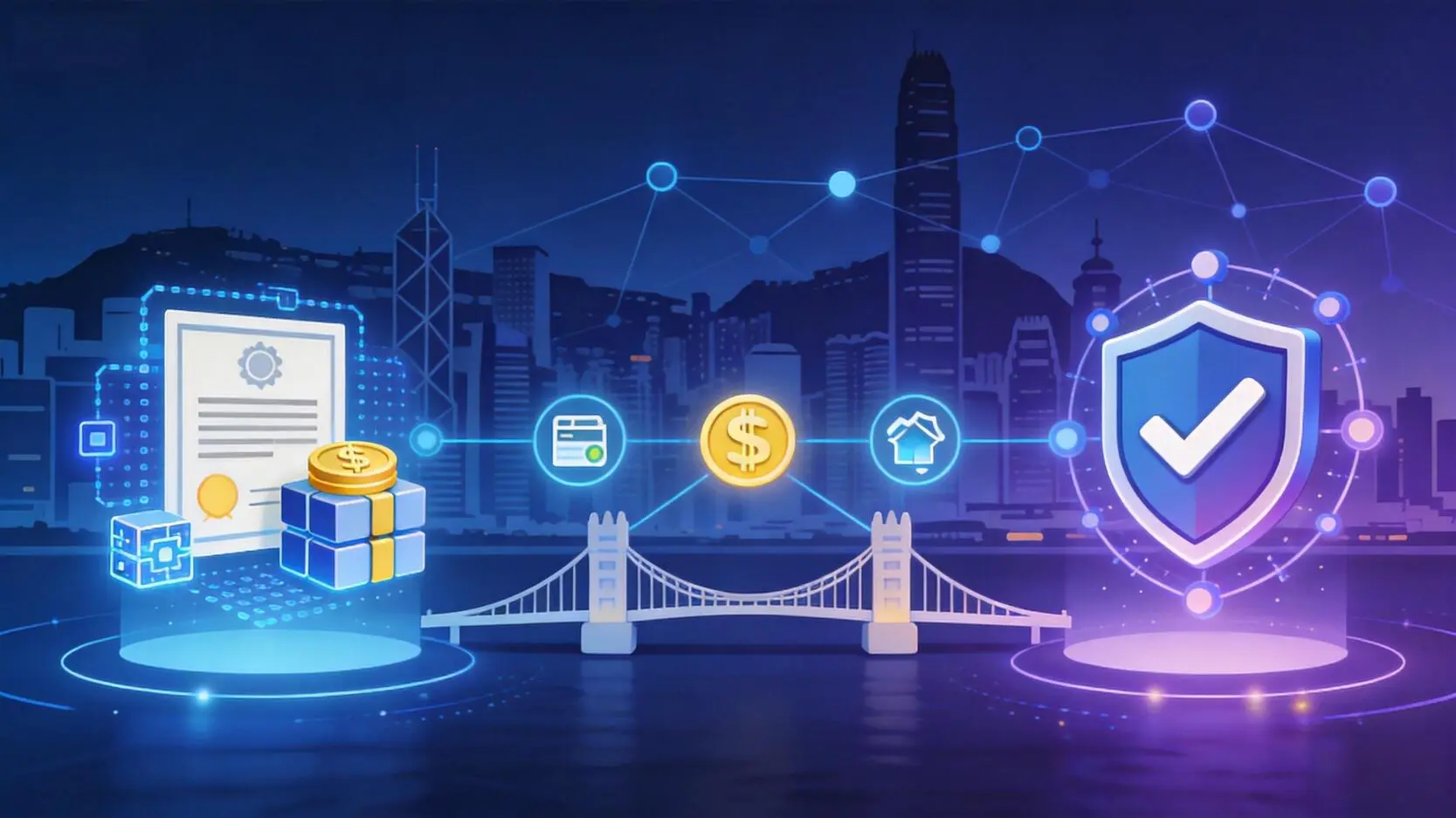
In today’s global capital markets, the boundary between traditional finance and Web3 technology has become increasingly blurred. Entering 2026, as the Hong Kong SAR Government continues to successfully issue multiple batches of digital green bonds while actively improving the relevant regulatory framework, this marks the transition of RWA real-world asset tokenization from early-stage proof of concept into a new era of large-scale implementation. For investors focused on global markets and innovative capital allocation, what exactly are tokenized virtual asset securities? How do they differ from traditional investment instruments we are familiar with? More importantly, through innovative tokenized fund operating models, how will this technology bring revolutionary liquidity upgrades and asset restructuring to traditional financial markets? This article provides an in-depth analysis from a seasoned market perspective of the powerful trend reshaping the blockchain finance ecosystem. 

What Are Tokenized Virtual Asset Securities? Understanding the Trend of RWA Real-World Asset Tokenization

To understand this financial transformation, it is first necessary to clarify the core concepts. Tokenized virtual asset securities are essentially the process of converting traditional real-world financial assets, such as stocks, bonds, real estate, or private equity, into digital tokens through blockchain technology. This is the “RWA real-world asset tokenization” trend that has become highly sought after by Wall Street and global institutions in recent years. These tokens are not merely digital symbols. From both legal and compliance perspectives, they represent actual ownership rights or income rights tied to the underlying assets.


The Integration of Blockchain Technology and Traditional Securities

Traditional securities markets rely on highly centralized clearing institutions, custodian banks, and brokers. This not only creates high transaction costs, but also leads to low settlement efficiency, typically requiring T+2 business days. Tokenized virtual asset securities, however, integrate distributed ledger technology (DLT) and smart contracts to unify asset issuance, trading, and settlement processes. Once a bond is tokenized, interest payments can be executed automatically through smart contracts, eliminating cumbersome intermediary procedures while achieving “atomic settlement”, where funds and assets are settled instantly upon transaction confirmation. This mechanism significantly reduces counterparty risk and represents one of the most disruptive aspects of blockchain finance systems. 

Core Differences Between Tokenized Funds and Traditional Funds

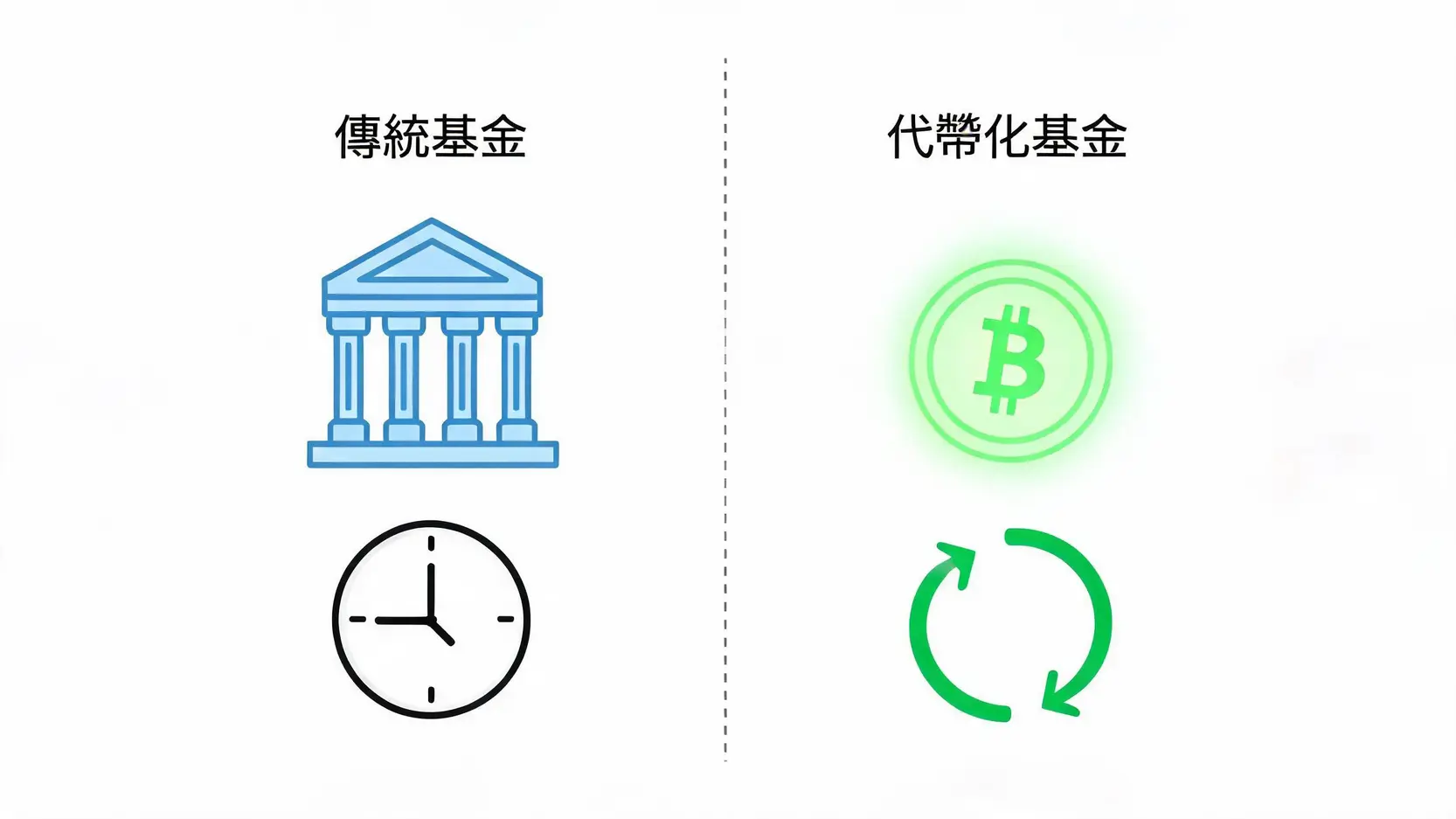
As technology matures, more asset management firms are beginning to launch tokenized funds. These new investment instruments differ significantly from traditional funds in their operating models:

  • Liquidity and trading hours: Traditional funds typically provide only one daily net asset value (NAV) quotation and subscriptions or redemptions must occur during trading hours. Tokenized funds, however, can leverage blockchain technology to enable near round-the-clock trading capabilities.
  • Transparency and tracking: Traditional fund holdings reports are usually published monthly or quarterly, creating reporting delays. Ownership transfer records of tokenized funds are permanently recorded on the blockchain, allowing investors to review them at any time through blockchain explorers with extremely high transparency.
  • Operating costs: Smart contracts automate compliance checks, KYC (Know Your Customer) verification, and profit distribution, significantly reducing redundant manual administrative costs associated with traditional fund operations.

傳統基金與代幣化基金的核心差異對比圖

Comparison Between Traditional Funds and Tokenized Fund Operating Models


Further Reading (Highly Recommended)

Complete Analysis of the Causes Behind the Gold Bull Market: 2026 Cryptocurrency Bull Market Forecast and the Next Major Breakout

The Ultimate Guide to Compute Power Investment: How to Position Yourself in Compute Power Securitization and Find the Next Nvidia


Hong Kong’s Milestone in Promoting Asset Tokenization: Analysis of Hong Kong Tokenized Green Bonds and the SFC Tokenized Securities Circular

As one of Asia’s leading international financial centers, Hong Kong has demonstrated exceptional determination in promoting virtual asset compliance and innovation. In recent years, Hong Kong has not only been committed to becoming a global Web3 hub, but has also injected strong confidence into the market through practical policy guidance and official issuance activities.


Analysis of the SFC Circular on Tokenized Securities-Related Activities

Regulatory clarity is the prerequisite for institutional capital participation. In April 2026, the Hong Kong Securities and Futures Commission (SFC) released its latest landmark circular. The circular clearly stated that tokenized SFC-authorized investment products will be permitted to trade on licensed Virtual Asset Trading Platforms (VATPs) in the secondary market. This means that retail investors may soon be able to trade tokenized funds or bonds on compliant platforms as easily as buying and selling cryptocurrencies. This policy not only expands the range of available investment products, but also provides a solid regulatory foundation for the liquidity of tokenized assets.


Case Study: Issuance of Hong Kong SAR Government Tokenized Green Bonds

Practical implementation speaks louder than theory. The Hong Kong SAR Government has personally set the best example in promoting RWA real-world asset tokenization. By the end of 2025, the government had successfully issued its third batch of digital green bonds, with total issuance reaching a record HK$10 billion. These Hong Kong tokenized green bonds covered multiple currencies including Hong Kong dollars, Renminbi, US dollars, and euros, while extensively utilizing the Hong Kong Monetary Authority’s digital bond settlement infrastructure. This heavily oversubscribed issuance not only demonstrated the strong trust traditional institutional investors place in tokenized products, but also showcased to the world the exceptional potential of blockchain technology in improving settlement efficiency and reducing issuance costs. 

How Can Retail Investors Participate in Tokenized Fund Operating Models? An Analysis of the Entry Barriers and Key Differences From Traditional Securities

For ordinary retail investors, what tangible benefits does this wave of blockchain finance bring? In the past, many high-quality, high-return assets were inaccessible due to the high thresholds reserved for “professional investors”. Today, tokenized virtual asset securities are breaking down these barriers through entirely new operating mechanisms.


Fractionalized Investment: Lowering the Entry Barriers of Expensive Traditional Assets

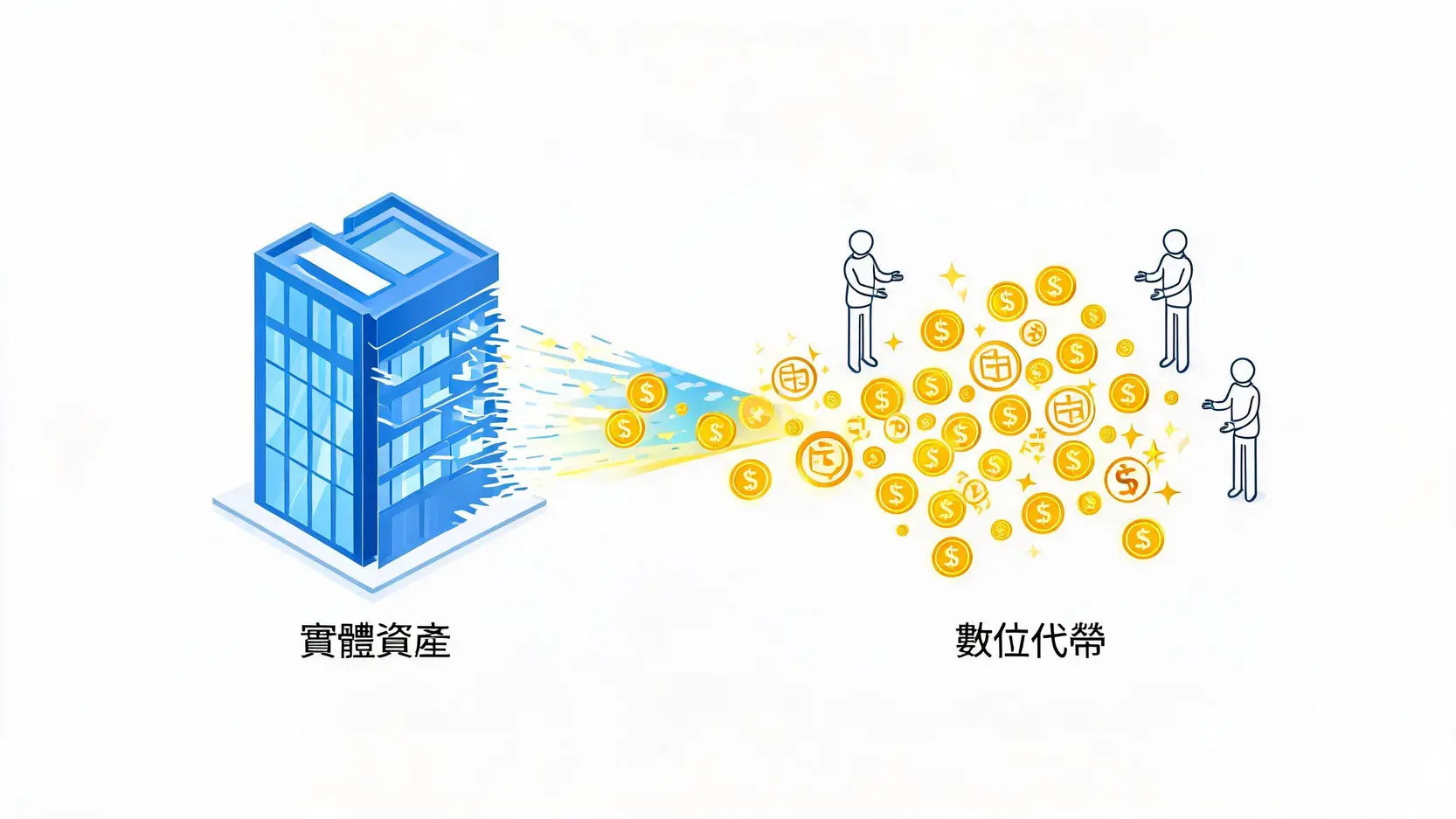
The greatest appeal of tokenization technology lies in “asset fractionalization”. A prime commercial property worth hundreds of millions of dollars, or a top-tier hedge fund with a minimum investment threshold of millions of US dollars, can be divided into tens of thousands of small digital shares through tokenized fund operating models. This allows retail investors to participate in global premium asset allocation opportunities previously out of reach with only a small amount of capital, such as several hundred dollars, truly democratizing investment and diversifying asset allocation opportunities.

虛擬資產代幣化實現實體資產碎片化投資的概念示意圖

Asset Fractionalization: Converting High-Barrier Real-World Assets Into Small Digital Shares


24/7 Trading and Instant Settlement Advantages

As mentioned earlier, traditional stock and bond markets are constrained by exchange operating hours and cumbersome cross-border settlement procedures, resulting in low capital turnover efficiency. Once assets are tokenized and operate on blockchain networks, with some projects even adopting highly efficient underlying logic similar to the XRP payment revolution and Ripple’s cross-border payment network, investors can enjoy near 24/7 liquidity. When faced with sudden global macroeconomic data releases or geopolitical events, investors can instantly adjust their positions without waiting for the next market opening. 

Current Platform Restrictions and Compliance Challenges Faced by Retail Investors

Despite the enormous potential, rational investors must recognize the current limitations. At present, in order to prevent money laundering and protect investor rights, participation in tokenized virtual asset securities trading still requires the use of strictly regulated licensed platforms. This means retail investors will face relatively stringent KYC reviews during account registration. In addition, the security of the underlying blockchain network, whether smart contracts contain vulnerabilities, and the legal ownership of tokenized assets during bankruptcy liquidation are all critical risk considerations that participants must carefully evaluate before making investment decisions.


Frequently Asked Questions About Tokenized Virtual Asset Securities

Q: What is the difference between tokenized securities and ordinary cryptocurrencies?

A: The value of ordinary cryptocurrencies, such as Bitcoin, mainly comes from market consensus and supply-demand dynamics, and they are not necessarily backed by physical assets. Tokenized securities, however, are essentially digital certificates of traditional securities. They are strictly regulated under securities laws and are mandatorily linked to real-world asset cash flows or ownership rights, giving them intrinsic tangible value.

Q: Can tokenized securities be traded directly on virtual asset trading platforms?

A: According to the latest circular issued by the Hong Kong SFC in 2026, only licensed Virtual Asset Trading Platforms (VATPs) that have obtained specific license upgrades and meet strict compliance standards are permitted to provide secondary market trading services for tokenized authorized investment products to the market, including retail investors, depending on the product risk classification.

Q: How is the legal ownership of tokenized assets defined?

A: This depends on the legal structure of the tokenized product. Legitimate tokenized virtual asset securities typically establish trusts or Special Purpose Vehicles (SPVs) to hold the underlying physical assets. The tokens held by investors legally represent legitimate claims on shares of the trust or entity and are protected under the laws of the relevant jurisdiction.

Q: What are the main risks of investing in tokenized fund operating models?

A: In addition to the market risks of the underlying assets themselves, investors must also bear technical risks, such as smart contract vulnerabilities and hacking attacks, as well as liquidity risks, since emerging tokenized markets may initially lack sufficient trading volume. Therefore, choosing reputable issuers and compliant platforms is extremely important.


Conclusion

Tokenized virtual asset securities are reshaping global financial infrastructure at an astonishing pace. This is far from a temporary trend. Instead, it is an industry transformation supported by strong underlying logic. From the multiple batches of digital green bonds issued by the Hong Kong SAR Government to the clear circulars released by the SFC regarding secondary market trading, we are witnessing the beginning of a perfect integration between traditional capital and blockchain finance. As tokenized fund operating models continue to mature and compliance requirements gradually become clearer, retail investors in the future will gain more opportunities to participate in global premium asset allocation with extremely low entry barriers. In this rapidly changing market, understanding and adapting early to the rules of RWA real-world asset tokenization will be the key to winning the next wave of wealth redistribution.

编者
Evan Lin

Evan Lin

我是Evan Lin,从大学时期开始接触外汇交易,至今已有多年实战经验,熟悉技术分析与EA策略,热衷于研究市场脉动与风险管控,喜欢分享实战经验和交易技巧,和大家一起学习、一起进步!

If you liked this article, please share it!

Related Articles

  • US PPI Misses Forecast: Is Inflation Cooling?
    US PPI Comes in Below Expectations: Is Inflation Cooling? Understand the Impact on the Stock Market, Interest Rate Hikes, and Your Wallet The recently released US Producer Price Index (PPI) once again came in below market expectations, sparking optimism that inflation is cooling. What exactly does this key US PPI...
    2026 年 7 月 21 日
  • PPI vs CPI: What Rising Inflation Means for Your Money
    PPI and CPI Surge: Is the Inflation Monster Coming? Understand the Two Key Indicators and Protect Your Wallet! Have you recently felt that your money is worth less and less, with the price of everything rising except your salary? Everyone is talking about “inflation”, but where exactly does this monster...
    2026 年 7 月 21 日
  • Oil Prices and Currency Pairs: Which Currencies Benefit?
    When Oil Prices Rise, Which Currencies Benefit? Understanding Investment Strategies for Crude Oil Currency Pairs What Are Crude Oil Currencies? Uncovering the Relationship Between Oil Prices and Forex As volatility in the global energy market intensifies, every movement in crude oil prices affects the foreign exchange market. For perceptive investors,...
    2026 年 7 月 21 日
返回顶部