Full Analysis of the Reasons Behind the Gold Bull Market: 2026 Cryptocurrency Bull Market Forecast and the Next Explosive Sectors
Facing the high uncertainty of the global economy, investors are actively seeking the next breakout point to achieve asset appreciation. Gold prices have recently repeatedly hit new highs, and at the same time, a cryptocurrency bull market led by Bitcoin seems to be brewing. Many are curious about the reasons behind the gold bull market, its connection to Bitcoin bull market forecasts, and, more importantly, how to position themselves to capture the next bull market sectors. This article will provide an in-depth analysis of the macro drivers behind the gold bull market, offer the latest cryptocurrency market forecasts, and reveal the most promising sectors for the future, helping you secure an early advantage in a rapidly changing market.
Why the Gold Bull Market Is an Important Market Indicator: Analysis of 3 Core Reasons
Gold, as a value storage tool spanning thousands of years, often serves as the “canary” of the global economy. When gold enters a bull market, it usually signals profound changes in the macro environment. Understanding the causes of the gold bull market not only helps seize opportunities in traditional assets but also provides crucial insights for positioning in emerging assets such as cryptocurrencies.
Impact of Global Central Bank Rate Cut Expectations and Monetary Easing Policies
When major global central banks (particularly the US Federal Reserve, signal potential rate cuts, it indicates that market liquidity is likely to increase, while the purchasing power of fiat currencies may decline. In this context of monetary easing, gold, an asset that cannot be diluted by “printing money” becomes significantly more attractive. Since gold does not generate interest, rate cuts reduce the “opportunity cost” of holding gold, attracting more funds and driving gold prices higher.
Traditional Safe-Haven Demand Amid Rising Geopolitical Risks
In recent years, frequent regional conflicts, trade disputes, and other uncertainty events have intensified global geopolitical risks. During turbulent times, investors instinctively seek safe havens, and gold is undoubtedly the longest-standing such asset. Notably, central banks have also been continuously increasing their gold reserves. According to the World Gold Council, this trend reflects sovereign nations’ deep-seated need to counter deglobalization and financial risks, further consolidating the foundation for the gold bull market.
Hedging Against Persistent Inflation: Gold’s Value Storage Function
Inflation is a silent threat that erodes wealth. As prices rise continuously, the purchasing power of cash declines. Due to its rarity and stable supply, gold has long proven to be an excellent hedge against inflation. When market expectations for future inflation strengthen, the demand to allocate gold for preservation and appreciation rises significantly, making it a key factor supporting the gold bull market.
Complementing gold’s steady rise is the stirring cryptocurrency market. As digital gold, Bitcoin’s performance often leads the ups and downs of the entire cryptocurrency bull market. Looking ahead to 2026, multiple favorable factors point toward a grand bull market.
Historical Pattern of Halving Cycles: Reviewing Data to Predict Future Trends
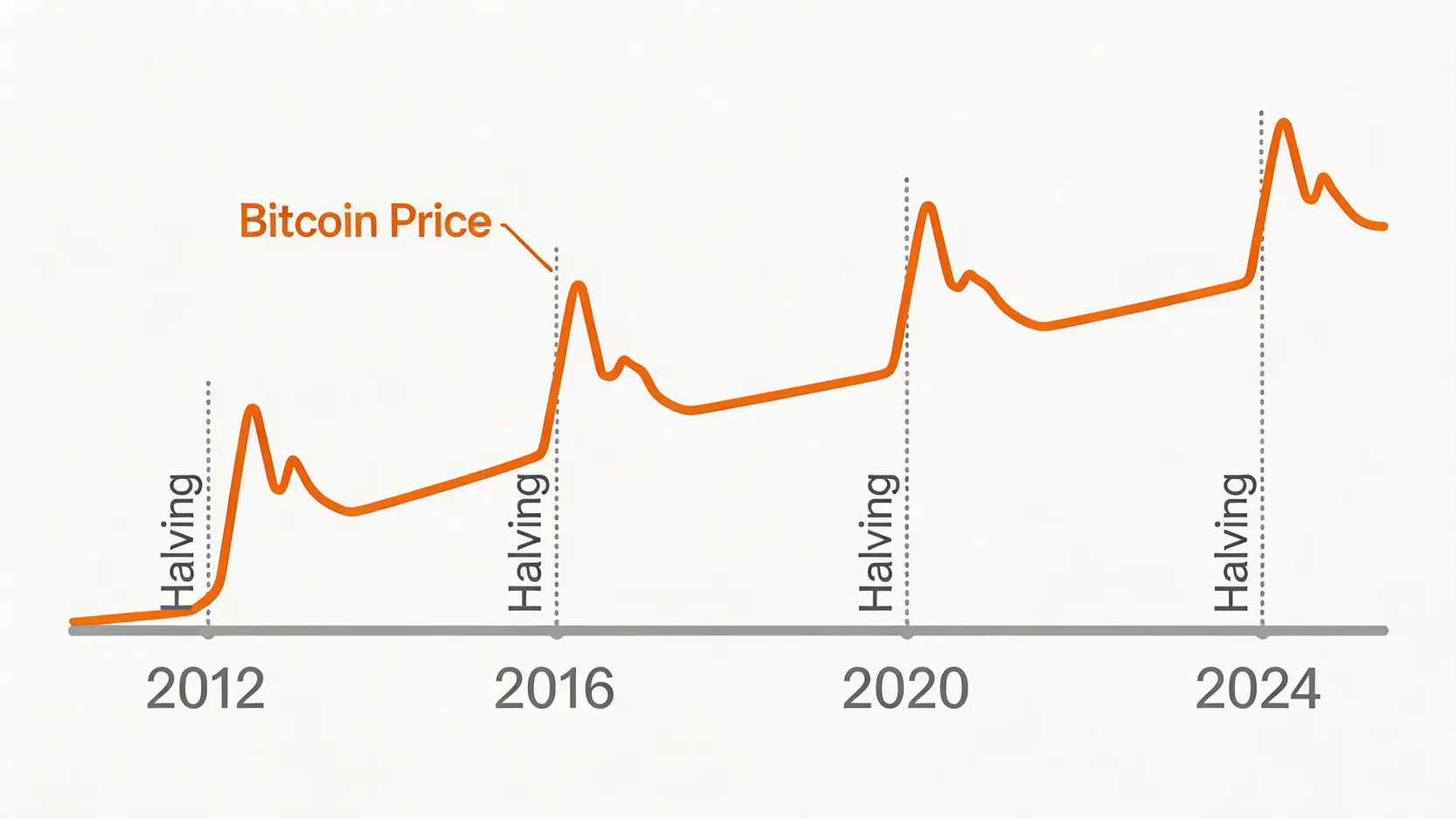
Bitcoin’s “halving” is its built-in deflationary mechanism, occurring approximately every four years, halving miners’ rewards for new blocks. Historical data shows that 12 to 18 months after each halving, Bitcoin’s price experiences remarkable growth. The most recent halving occurred in 2024, and according to this cycle, 2025–2026 is expected to be the critical period for the full-scale bull market, with market sentiment and capital inflows likely reaching their peak.
Historical data shows that each Bitcoin halving has been followed by a significant bull market.
Widespread Adoption of Spot ETFs: How Wall Street Funds Are Changing the Market
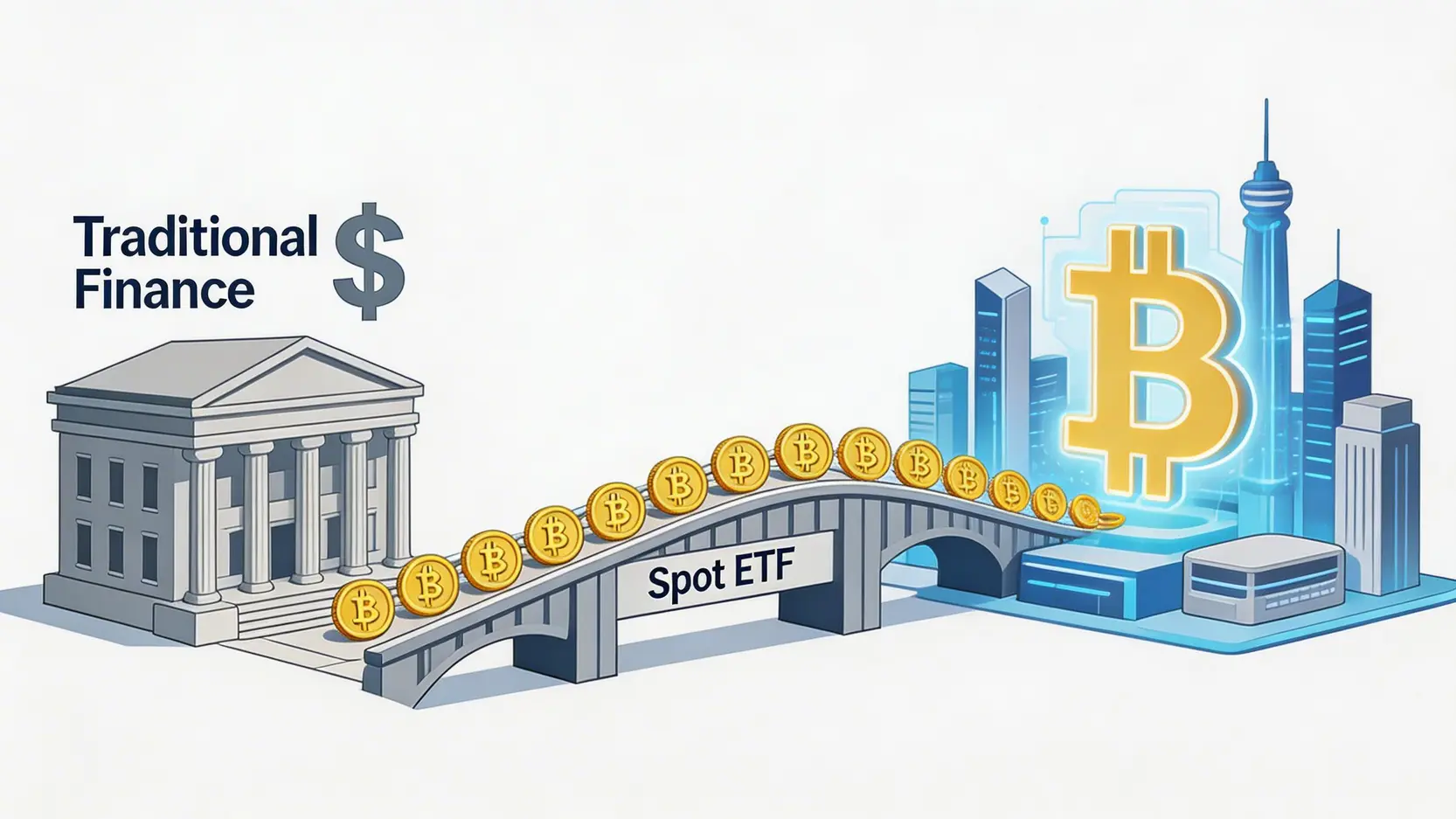
In 2024, the US Securities and Exchange Commission (SEC) approved the listing of Bitcoin spot ETFs, marking a milestone in cryptocurrency development. This greatly lowered the entry barriers for traditional investors and institutional players. They no longer need to manage complex private keys and can purchase Bitcoin directly through familiar brokerage accounts. The participation of Wall Street giants such as BlackRock and Fidelity brings a continuous influx of compliant funds, completely altering the market’s supply-demand dynamics and laying a solid foundation for a long-term bull market.
Bitcoin spot ETFs provide traditional funds a compliant channel to enter the crypto market.
Market Expert and Institutional Views: Bitcoin Bull Market Forecasts from Leading Firms
Market optimism is also endorsed by top investment institutions. ARK Invest, led by “female stock goddess” Cathie Wood, boldly predicted in a report that under the most optimistic scenario, Bitcoin could reach $1.5 million by 2030. While extremely bullish, it reflects professional investors’ reassessment of Bitcoin’s position in global macro assets. Most analysts believe that, driven by ETF capital and the halving cycle, Bitcoin breaking past its previous highs in 2026 and reaching the $150,000–$250,000 range is an achievable target.
Positioning for the Future: 3 Promising Sectors for the Next Bull Market
In every cryptocurrency bull market, aside from Bitcoin and Ethereum, new narratives and sectors always emerge, generating remarkable returns. For investors seeking high growth potential, early positioning in the next bull market sectors is crucial. The following are three highly watched and potentially lucrative areas:
AI + Crypto: How Artificial Intelligence Empowers Decentralized Applications
The combination of AI and cryptocurrencies is seen as the next trigger for a technological revolution. Imagine future AI agents needing a decentralized identity and payment system to conduct autonomous transactions, this is where blockchain comes in. Additionally, decentralized computing networks can provide lower-cost, censorship-resistant solutions for AI model training. Projects in this field focus on data privacy, model verification, and computing power sharing, with the potential to shine in the next bull market.
RWA (Real World Assets): A Trillion-Dollar Bridge Connecting Traditional Finance and Blockchain
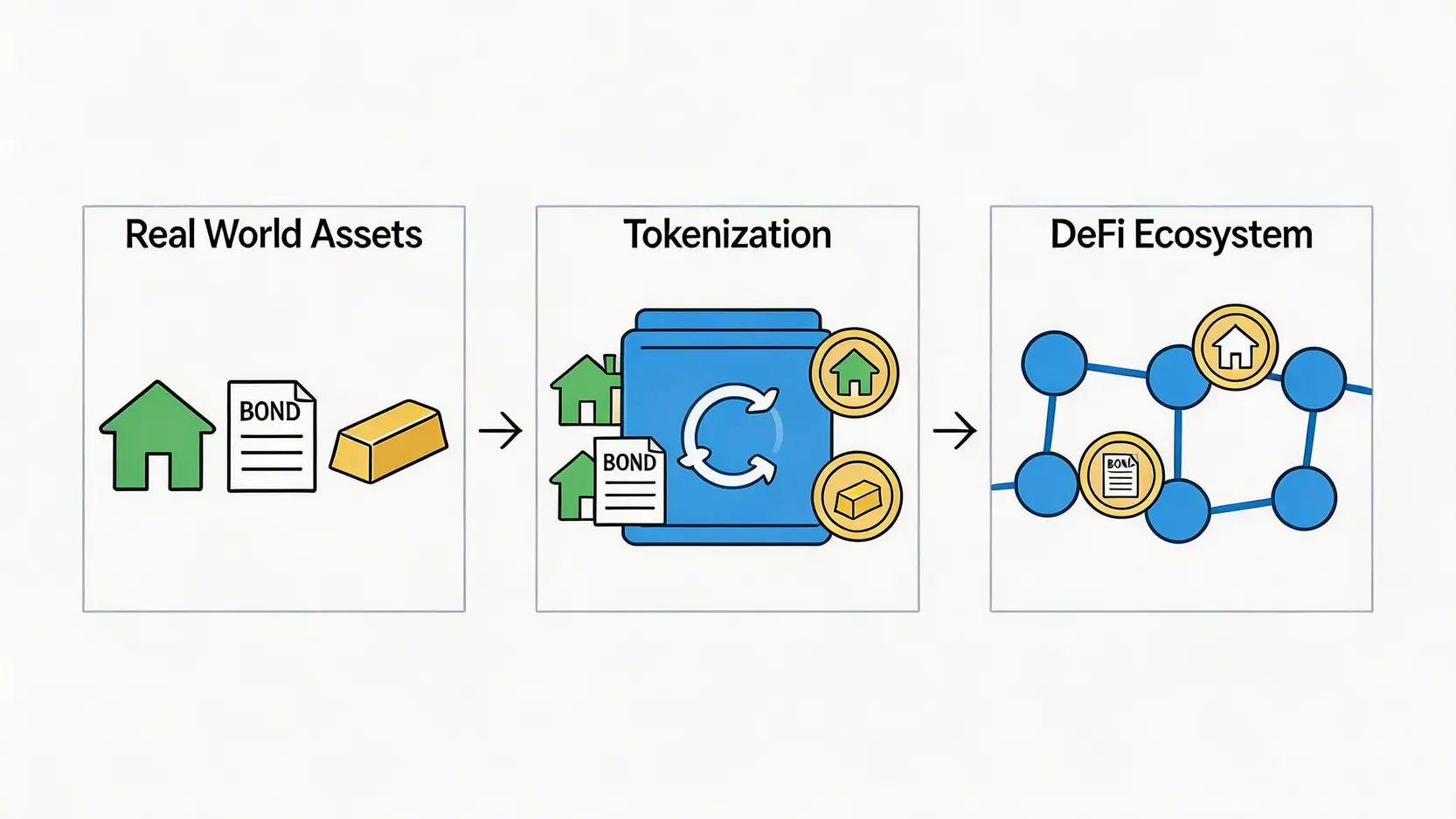
RWA aims to bring real-world assets such as real estate, bonds, and private credit onto the blockchain through “tokenization”. Once this bridge is established, it would bring hundreds of trillions of dollars in traditional financial market assets into DeFi (decentralized finance), representing an enormous potential market. Many RWA projects are actively exploring ways to deliver stable, predictable returns from traditional assets to crypto investors, making them highly attractive for large funds seeking steady returns.
RWA brings real-world value onto the blockchain, unlocking a trillion-dollar market potential.
DePIN (Decentralized Physical Infrastructure Networks): Reshaping IoT and the Shared Economy
DePIN (Decentralized Physical Infrastructure Networks) is an innovative model that uses token incentives to encourage users to co-build and share physical infrastructure. In simple terms, anyone can earn token rewards by contributing hardware resources (such as network bandwidth, storage, or sensor data). This model has the potential to disrupt traditional industries monopolized by large companies, including telecom, cloud storage, and IoT. DePIN closely integrates Web3 economic models with the physical world, offering grand narratives and real-world applications, making it one of the most imaginative sectors in the Web3 space.
Common Questions About the Gold and Cryptocurrency Bull Markets
Q: How long does a cryptocurrency bull market usually last?
A: Based on historical cycles, cryptocurrency bull markets triggered by Bitcoin halving typically last 12 to 18 months. Characteristics of a bull market include generally rising prices, extremely optimistic market sentiment, and an influx of new users and capital. However, the exact duration and intensity of each cycle are influenced by the prevailing macroeconomic environment and technological developments.
Q: How can one tell if a bull market is about to end?
A: Signals at the end of a bull market often include: extreme greed in the market (FUD index spikes), friends who never discuss investing suddenly entering the market, meme coins surging without clear reason, and large-scale mainstream media coverage. From a technical perspective, a significant divergence between Bitcoin’s price and its long-term moving averages can also serve as a warning sign.
Q: Besides Bitcoin, which cryptocurrencies are worth watching?
A: Beyond leading Bitcoin (BTC) and Ethereum (ETH), investors can focus on public chain tokens with strong ecosystems and technical capabilities, such as Solana (SOL) and Avalanche (AVAX). Additionally, paying close attention to the AI+Crypto, RWA, and DePIN sectors highlighted in this article can help identify leading projects that may serve as growth engines in the next bull market.
Conclusion
In summary, both the steady growth of gold and the explosive potential of cryptocurrencies offer immense opportunities in the 2026 investment landscape. Understanding the reasons behind the gold bull market helps grasp macroeconomic trends and capital flows, while monitoring Bitcoin bull market forecasts and emerging sectors is key to capturing high returns. The market is always dynamic; careful strategy planning and continuous learning are essential to ride the wave of the next cryptocurrency bull market successfully.
US PPI Comes in Below Expectations: Is Inflation Cooling? Understand the Impact on the Stock Market, Interest Rate Hikes, and Your Wallet The recently released US Producer Price Index (PPI) once again came in below market expectations, sparking optimism that inflation is cooling. What exactly does this key US PPI...
PPI and CPI Surge: Is the Inflation Monster Coming? Understand the Two Key Indicators and Protect Your Wallet! Have you recently felt that your money is worth less and less, with the price of everything rising except your salary? Everyone is talking about “inflation”, but where exactly does this monster...
When Oil Prices Rise, Which Currencies Benefit? Understanding Investment Strategies for Crude Oil Currency Pairs What Are Crude Oil Currencies? Uncovering the Relationship Between Oil Prices and Forex As volatility in the global energy market intensifies, every movement in crude oil prices affects the foreign exchange market. For perceptive investors,...