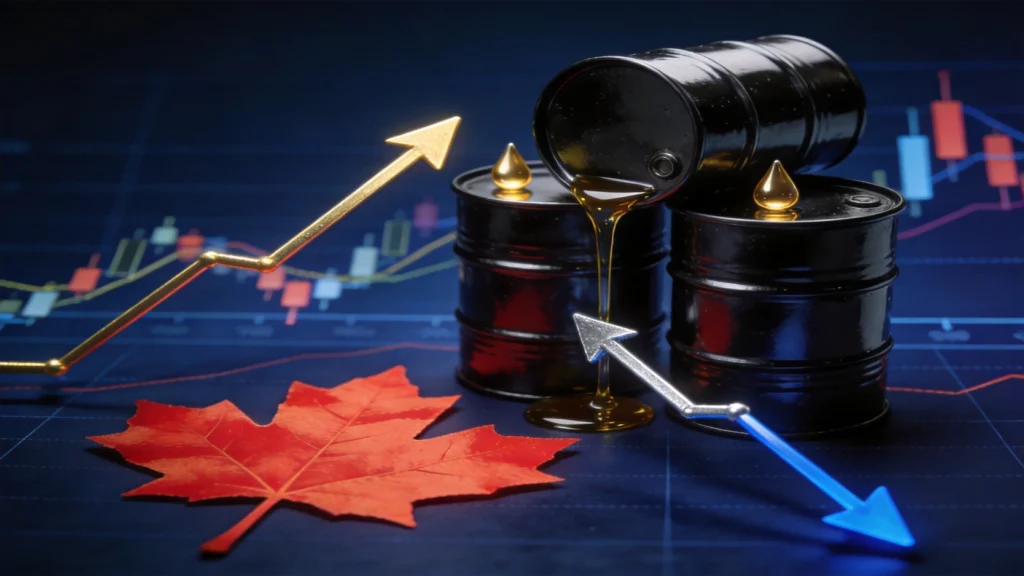
Russia-Ukraine War FX Crisis: Energy & Currency Impact

How Did the Russia-Ukraine War Trigger a Global Currency Storm? An In-Depth Analysis of the 2026 Energy Crisis and the Foreign Exchange Market
Since the outbreak of the Russia-Ukraine war, global financial markets have remained volatile, especially the sharp fluctuations in the foreign exchange market that have left many investors confused. This seemingly regional conflict has, in fact, profoundly impacted the global economy through the chain reaction of “Russia-Ukraine war energy currency fluctuations”. Why has a war had such a far-reaching impact on major currencies such as the euro? The core logic behind this lies in the intersection of geopolitics, the energy crisis, and monetary policy. This article will provide an in-depth analysis of how the war affects the foreign exchange market, reveal the specific pathways of the war’s impact on the euro, and offer strategies to help you navigate this uncertain era and understand the underlying logic behind currency movements during an energy crisis.
How Does War Affect the Foreign Exchange Market? Three Core Transmission Pathways
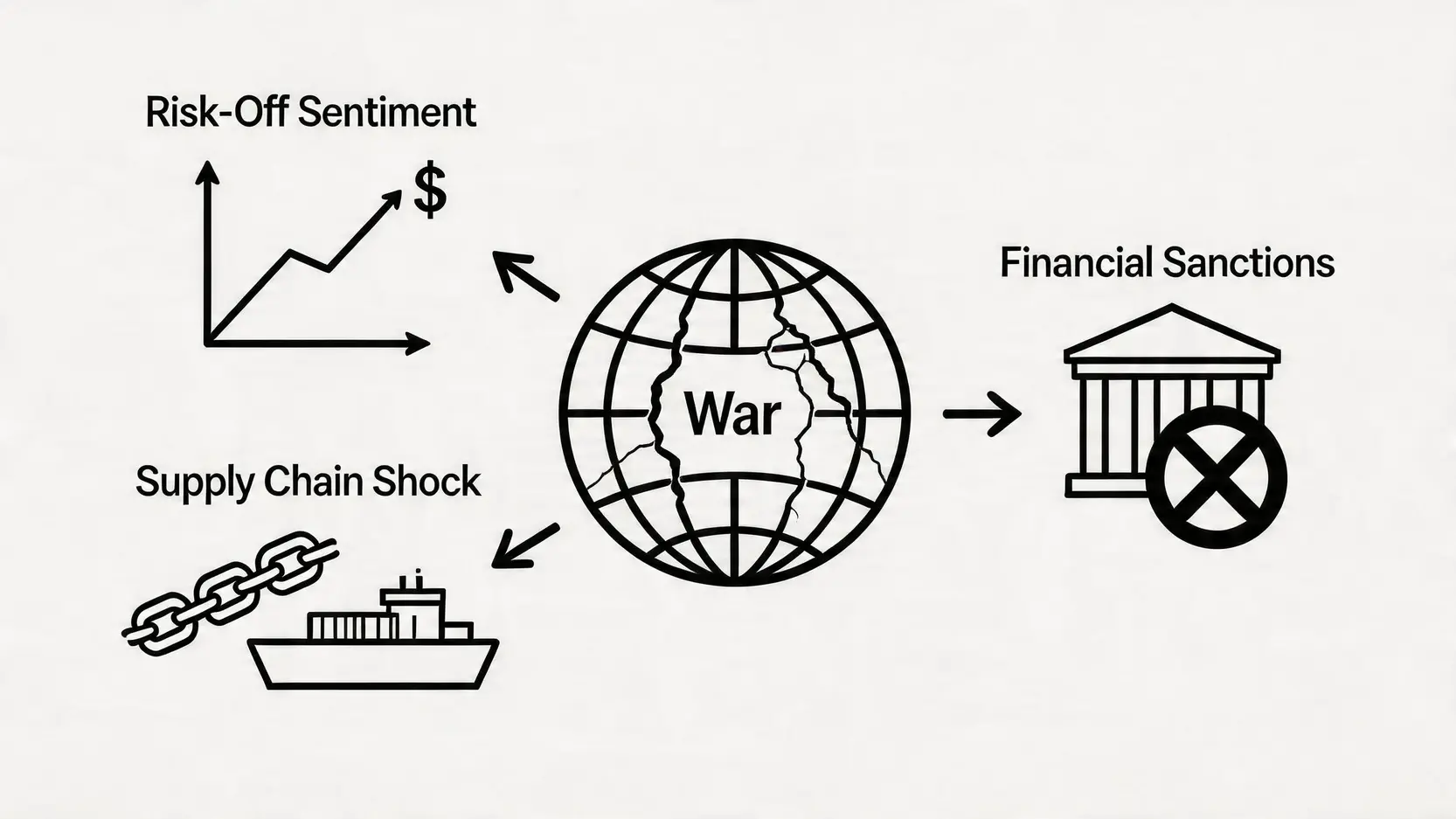
War is not merely smoke on the map, it transmits shocks through multiple channels, materially impacting the global economy and financial system, thereby triggering sharp fluctuations in the foreign exchange market. Understanding these transmission pathways is key to grasping current market dynamics. The following three core pathways explain how geopolitical risks are translated into currency movements.

Three Core Transmission Pathways Through Which Geopolitical Conflict Affects the Foreign Exchange Market
Pathway One: Rising Risk Aversion Drives Capital Into Safe-Haven Currencies
When war or major geopolitical conflict breaks out, market uncertainty rises sharply, and investors instinctively seek “safe havens”. This risk-off sentiment drives them to sell higher-risk assets, such as emerging market currencies and equities, and shift funds into widely recognized safe-haven currencies.
- US Dollar (USD): As the world’s primary reserve and settlement currency, the US dollar holds an irreplaceable position. During global turmoil, its high liquidity and the strength of the US economy make it the preferred safe haven for capital. Following the outbreak of the Russia-Ukraine war, the strong rise in the US Dollar Index (DXY) serves as clear evidence.
- Swiss Franc (CHF): Switzerland’s status as a permanently neutral country, along with its stable political environment and independent monetary policy, has long made its currency a traditional safe-haven asset.
- Japanese Yen (JPY): Although Japan’s economic conditions in recent years have weakened its safe-haven status, the yen still attracts some safe-haven inflows during periods of instability in Asian markets due to Japan’s large net overseas assets and low interest rate environment.
Therefore, in the early stages of a war, we typically see currencies such as the US dollar and Swiss franc appreciate against most others. This is not because these economies have suddenly improved, but rather a direct reflection of global demand for safety.
Pathway Two: Supply Chain Disruptions and Trade Shocks Weaken Affected Economies
The modern global economy relies heavily on complex supply chain networks. War directly damages production facilities, transportation routes, and disrupts the normal functioning of international trade. When conflicts occur in key raw material exporting countries (such as Russia’s energy and Ukraine’s grain), the impact quickly spreads worldwide.
- Widening Trade Deficits: For countries that rely on imported raw materials, supply chain disruptions lead to surging import costs. For example, European countries must spend more euros to purchase limited supplies of natural gas, resulting in expanding trade deficits and downward pressure on their currencies.
- Deteriorating Economic Outlook: Rising production costs and surging consumer price indices (CPI) severely affect corporate profitability and consumer purchasing power, dragging down overall economic growth (GDP) expectations. When the outlook of a country or region weakens, its currency naturally loses attractiveness, leading to capital outflows.
Pathway Three: Direct and Indirect Effects of International Financial Sanctions
To respond to acts of aggression, the international community typically imposes severe economic and financial sanctions on the country initiating the war. The effects of these measures are twofold, impacting not only the targeted country but also creating spillover effects on the economies of those imposing the sanctions.
- Direct Impact on the Sanctioned Country: Measures such as removing Russia from the SWIFT international settlement system and freezing its central bank’s overseas assets aim to paralyze its financial system and sever its connection with the global economy. This directly led to a historic plunge in the Russian ruble (RUB) in the early stages of the war.
- Indirect Backlash on Sanctioning Countries: European countries imposed energy embargoes on Russia. While politically justified, these actions carried significant economic consequences. The surge in energy prices directly fueled inflation in Europe, forcing the European Central Bank (ECB) to adopt more aggressive monetary policies while also increasing the risk of economic recession. This dilemma lies at the core of the war’s impact on the euro.
As academic research has pointed out, weaponized interdependence makes economic sanctions a double-edged sword, deeply influencing global capital flows and currency values.
Further Reading (Highly Recommended)
Will the Euro Fall Further? 2025 Euro Exchange Rate Trends Analysis and Five Key Factors Forecast
The Direct Shock of the War: How the Energy Crisis Severely Hits the Euro?
If the war impacts global currencies through risk sentiment and supply chains, its impact on the euro is more direct and severe, with the core trigger being “energy”. The energy crisis triggered by the Russia-Ukraine war acts like a perfect storm, precisely striking the most vulnerable part of the eurozone economy and explaining why the euro has been among the hardest hit in this event.
Europe’s Energy Lifeline: Why Dependence on Russian Natural Gas Became a Fatal Weakness?
For a long time, Europe, especially industrial powers such as Germany, has relied heavily on cheap natural gas supplied by Russia. This energy lifeline acted as a lubricant for economic growth in times of peace, but became a chokehold during wartime.
After the outbreak of the war, Russia “weaponized” energy by reducing or even cutting off natural gas supplies (such as through the Nord Stream 1 pipeline) to counter European sanctions. This caused devastating consequences for Europe:
- Unprecedented Surge in Energy Prices: Natural gas prices once soared to record highs, directly increasing the cost of household heating, power generation, and industrial production.
- Forced Industrial Shutdowns: Many energy-intensive industries, such as chemicals and manufacturing, were forced to reduce output or halt operations due to unaffordable energy costs, severely impacting the economic backbone of countries like Germany.
- Energy Security Alarm: European countries were forced to urgently seek alternative energy sources, such as importing expensive liquefied natural gas (LNG) from the US and Qatar, and restarting coal-fired power plants. This not only increased costs but also challenged long-term energy transition plans.
This excessive reliance on a single supplier made the European economy highly vulnerable to geopolitical shocks. The rapid deterioration of its economic outlook became the fundamental reason for the euro’s depreciation.
How Surging Energy Prices Drive Inflation and Weaken the Eurozone Economic Outlook
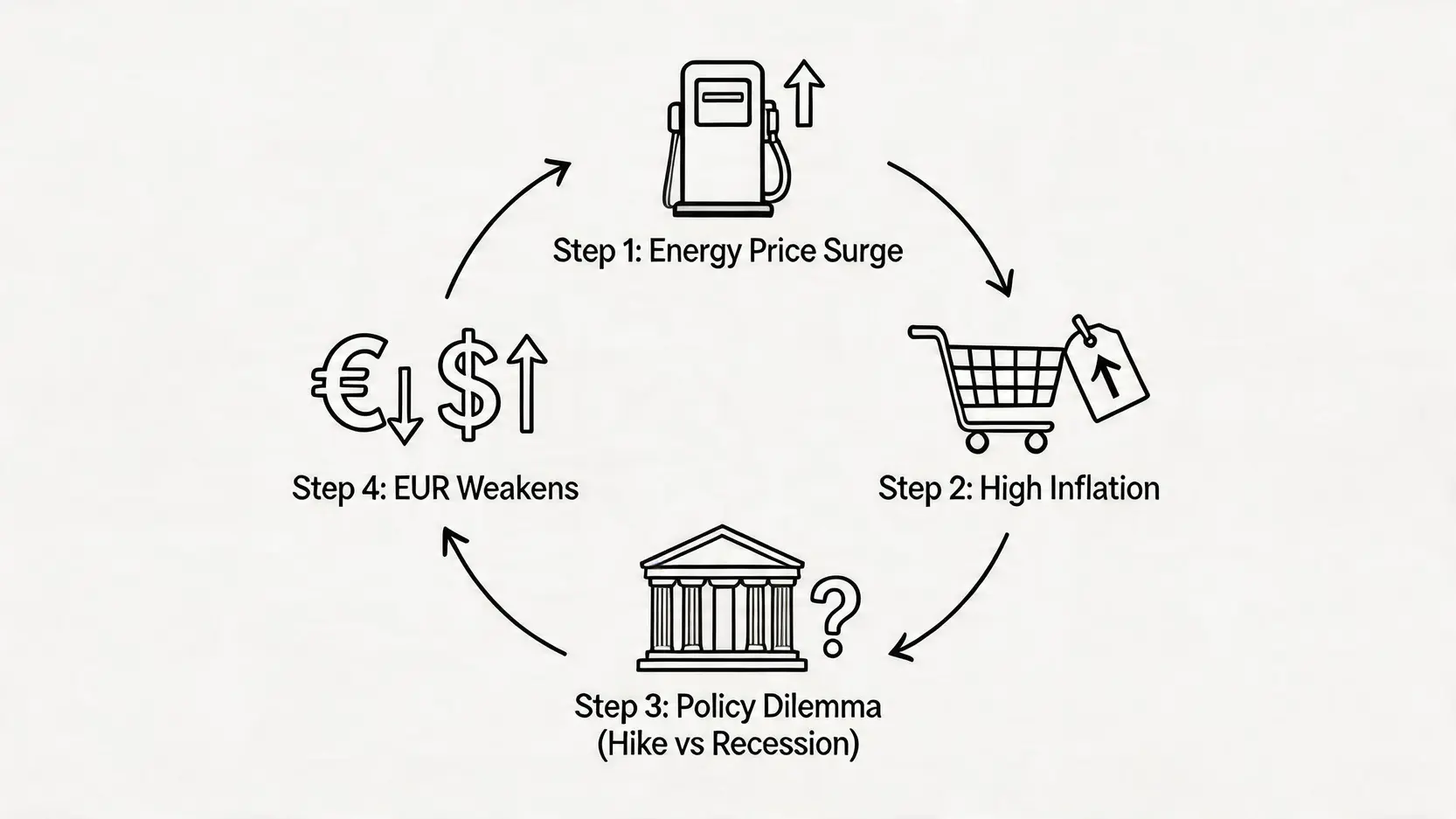
Energy is the lifeblood of the modern economy, and its price volatility quickly transmits to every sector. For the eurozone, this energy crisis triggered a vicious cycle:

The Vicious Cycle of Euro Depreciation Triggered by the Energy Crisis
- Uncontrolled Imported Inflation: The surge in energy prices drove up production and living costs, pushing the consumer price index (CPI) to repeated highs, far exceeding the European Central Bank’s inflation target.
- Monetary Policy Dilemma: To combat high inflation, the European Central Bank (ECB) was forced to follow the US Federal Reserve (Fed) in initiating an aggressive rate-hiking cycle. However, with the economy already fragile due to the energy crisis, sharp rate hikes further suppress investment and consumption, increasing the risk of recession.
- Widening Interest Rate Differential Puts Pressure on the Euro: Although the ECB raised rates, its pace and terminal rate expectations lagged behind those of the US. The market generally believes that the US economy is more resilient and can withstand higher interest rates. This widening “interest rate differential” between Europe and the US attracts capital from lower-yielding euros to higher-yielding US dollars, leading to continued weakness in the EUR/USD exchange rate, which even once fell below parity.
This crisis triggered by Russia-Ukraine war energy currency fluctuations perfectly illustrates how economic fundamentals dominate the long-term trajectory of a currency.
Winners and Losers in War: Strength of the US Dollar and the Performance of Commodity Currencies
Every global economic shock creates relative winners and losers in the currency market.

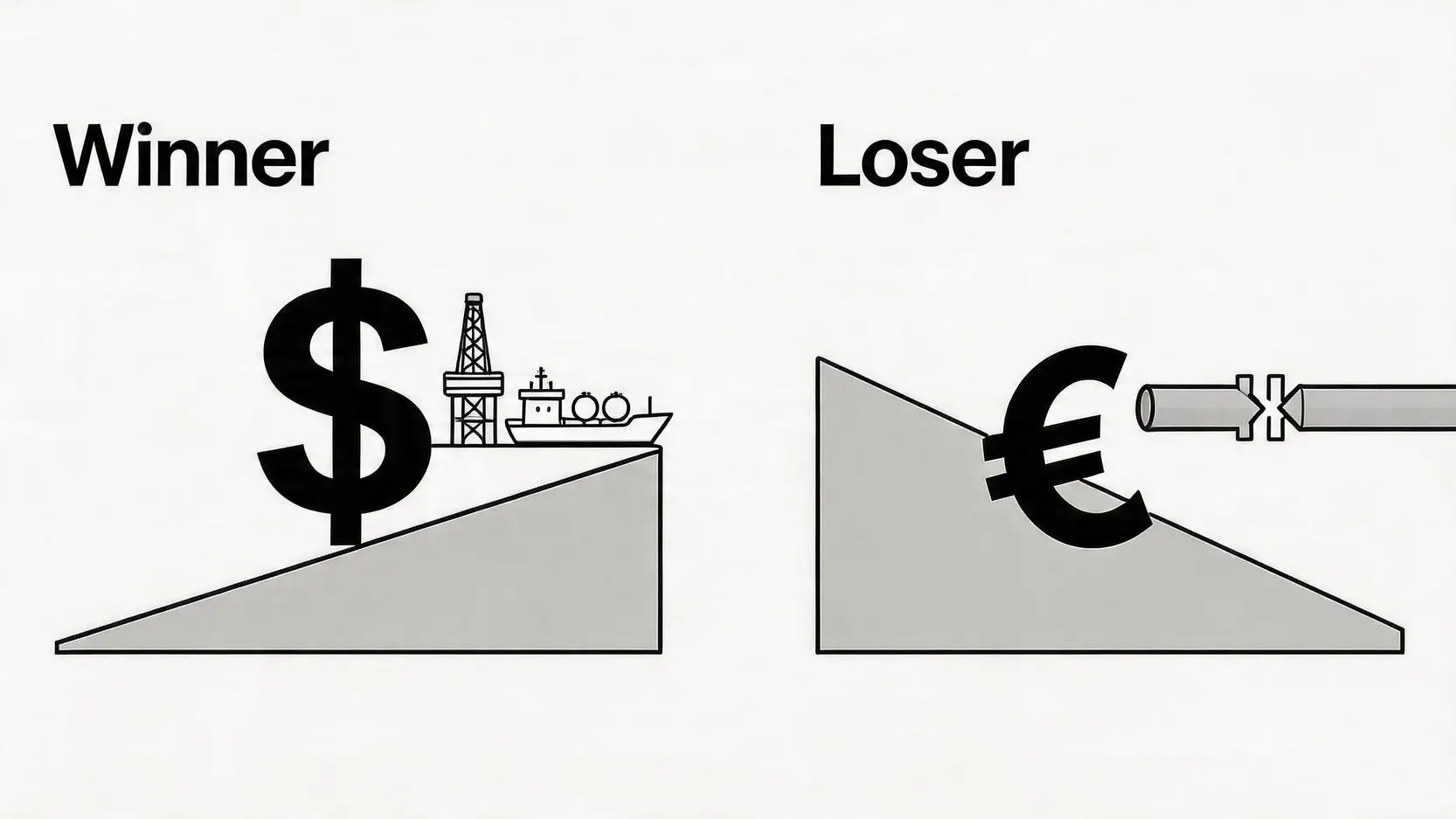
Currency Divergence During War: US Dollar vs Euro
- Biggest Winner – US Dollar (USD): Combining the dual advantages of a safe-haven currency and an energy exporter (as the US has become a major LNG exporter). The war increased global demand for both the US dollar and US energy, and together with decisive rate hikes by the Federal Reserve, made the US dollar the undisputed leader.
- Biggest Loser – Euro (EUR): Geographically close to the conflict zone and as an energy importer, the euro suffered a triple blow from geopolitical risk, the energy crisis, and expectations of economic recession.
- Diverging Performance of Commodity Currencies:
- Canadian Dollar (CAD) and Australian Dollar (AUD): As major exporters of energy and commodities, the currencies of Canada and Australia initially benefited from rising commodity prices during the early stages of the war. However, concerns over global economic slowdown later outweighed the positive effects of higher commodity prices, leading to more volatile performance.
- Norwegian Krone (NOK): As a major exporter of oil and natural gas in Europe, Norway benefited from the surge in energy prices, and the Norwegian krone showed relatively strong performance.
In summary, a war not only reshapes the geopolitical landscape but also redefines the relative strength of global currencies, with energy security playing a decisive role in this event.
Frequently Asked Questions (FAQ)
Q: After the Russia-Ukraine war ends, will the euro rebound strongly?
A: The end of the war will undoubtedly ease market risk-off sentiment and provide short-term support for the euro. However, the euro’s long-term trajectory still depends on deeper structural issues. First, whether Europe can fully resolve its energy dependence and establish a diversified and secure energy supply system is crucial. Second, post-war reconstruction, the lingering effects of high inflation, and potential recession risks will continue to test the eurozone’s economic resilience. Therefore, even if the war ends, the euro may see a corrective rebound, but a return to its former strength will depend on whether its economic fundamentals can achieve substantial improvement.
Q: Apart from the euro, which other currencies have been severely affected by this energy crisis?
A: In addition to the euro, currencies of other energy-importing countries have also been significantly impacted. For example, although the Japanese yen (JPY) is considered a safe-haven currency, Japan relies almost entirely on imported energy. The surge in energy prices has led to record trade deficits, severely weakening the yen’s value. In addition, emerging market currencies such as the Turkish lira (TRY), due to their fragile economic structures and high dependence on energy imports, have experienced even more severe depreciation under the dual pressure of the global energy crisis and a strengthening US dollar.
Q: As a retail investor, how should one manage foreign exchange risk during wartime?
A: For retail investors, it is essential to first understand that geopolitical risks are becoming normalized, and asset allocation should incorporate a global perspective. Second, allocating a portion of assets to the US dollar or US dollar-denominated assets can help hedge against uncertainty. Third, for investors holding non-USD assets, tools such as foreign exchange forwards and options can be considered for risk hedging. Most importantly, avoid making irrational trading decisions during periods of extreme market panic, remain calm, and focus on long-term trends rather than short-term volatility.
Conclusion
In summary, the Russia-Ukraine war is not only a geopolitical conflict but also a profound economic event. By triggering a European energy crisis, it has directly led to the weakness of the euro and intensified volatility in the global foreign exchange market. This conflict clearly demonstrates that in today’s globalized world, there is a tightly interconnected transmission chain between war, energy, and currency. Understanding this complete logic, from geopolitical risk to energy security and then to monetary policy divergence, is key to navigating current market uncertainty. Looking ahead, investors need to continuously monitor shifts in the global energy landscape and the policy directions of major central banks in order to make informed decisions and safeguard their assets in this challenging market.
Related Articles
-
The Taiwan Dollar Surges Past 31.5! With Hot Money and Foreign Capital Inflows, Is This an Opportunity or a Risk? An In-Depth Analysis The Capital Frenzy: The Three Major Drivers Behind the Taiwan Dollar Breaking Above 31.5 The New Taiwan dollar has recently become the absolute focal point of the...2026 年 6 月 10 日
-
Taiwan Dollar Appreciation and Hot Money Inflows! An Investor's Action Guide: Should You Buy Stocks, Bonds, or Exchange for US Dollars at This Stage? One of the hottest topics in the market recently has been the capital-driven rally fueled by foreign investors' consecutive net buying of Taiwan stocks, pushing the...2026 年 6 月 10 日
-
Hot Money Flows Into Taiwan's Bond Market: Understanding the Causes, Impact, and Investor Response Strategies in One Article One of the hottest topics in the market recently is "hot money flowing into Taiwan's bond market". Why have these fast-moving international funds, which come and go like the wind, chosen the...2026 年 6 月 10 日