JPY/HKD Back Above 5.0: Impact Overview Across Different Groups
Travelers to Japan: Rising Exchange Costs and Smarter Spending Strategies
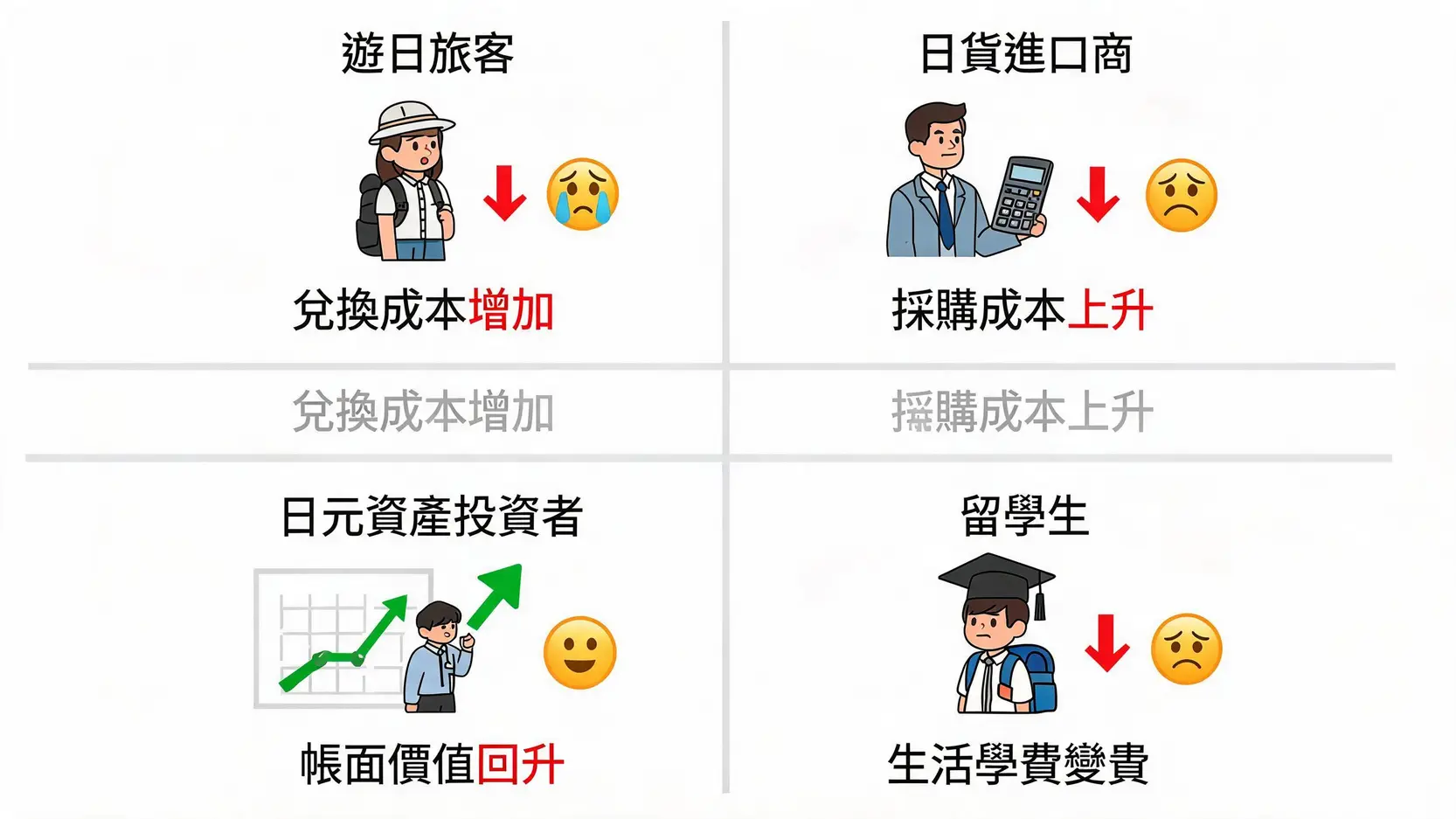
For Hong Kong residents planning trips to Japan, this is undoubtedly bad news. The end of the ultra-cheap “4-handle” era means that the same Hong Kong dollar budget now buys fewer yen. Whether for accommodation, transportation, or shopping, travel costs have effectively increased.
- Budget planning: Travelers may need to reassess their travel budgets, potentially reducing shopping expenses or choosing accommodations that offer better value.
- Smart payment methods: Compare overseas spending rewards offered by different credit cards. Taking advantage of credit card benefits may be more cost-effective than paying in cash.
- Tax refunds: When shopping at major department stores or drugstores, always apply for tax refunds, which can result in substantial savings.
Importers of Japanese Goods: Rising Procurement Costs Return
For businesses importing Japanese products, a stronger yen directly translates into higher procurement costs. Whether dealing in Japanese cosmetics, snacks, anime merchandise, or automotive parts, inventory becomes more expensive. These additional costs may eventually be passed on to consumers, leading to higher retail prices. Businesses operating on thin margins may face significant pressure.
Investors Holding Yen Assets: Reduced Paper Losses, What Comes Next?
For investors who previously purchased Japanese equities, Japanese real estate, or yen deposits, the currency rebound is welcome news. The value of these assets in Hong Kong dollar terms has increased, reducing unrealized foreign exchange losses. However, investors now face a critical decision: should they take profits while the yen is stronger, or continue holding in anticipation of further appreciation? The answer depends on each investor’s long-term outlook and yen investment strategy.
Students and Expats: Managing Changes in Living Costs
For Hong Kong residents studying or working in Japan, a stronger yen means that remittances from Hong Kong convert into fewer yen. This directly reduces the amount available for living expenses and tuition payments, potentially requiring more careful budgeting or larger remittances to maintain the same standard of living.
Practical Guide: Yen Strategies in the 5.0 Era
In the face of a new exchange rate environment, whether you have short-term currency exchange needs or longer-term investment plans, a clear strategy is essential. Rational planning is far more effective than blindly chasing market moves.
Short-Term Currency Exchange Strategy: Gradual Exchanges vs. Locking In Rates
For travelers preparing for an upcoming trip, exchange strategy has become particularly important.
- Gradual exchanges: If your departure date is still some time away and future yen movements remain uncertain, consider a “gradual buying” strategy. For example, exchange part of the required amount each week or whenever the exchange rate falls to a preferred level. This approach helps average costs and reduces the risk of exchanging everything at an unfavorable rate.
- Locking in rates: If you believe that Japan’s intervention efforts will continue and the yen may strengthen further, or if you simply prefer not to worry about exchange rate fluctuations, exchanging the full required amount at a level you consider reasonable may be the more convenient choice.
Medium-Term Investment Positioning: Changing Attractiveness of Japanese Equities, Bonds, and Real Estate
With the yen recovering, the foreign exchange risk associated with investing in Japanese assets using Hong Kong dollars appears lower. However, the attractiveness of these investments has also changed in subtle ways.
| Asset Class |
Attractiveness Analysis
|
| Japanese Equities (Nikkei 225) |
Yen appreciation may put pressure on the profitability of export-oriented companies, but it also reflects market confidence in the Japanese economy. Investors may consider focusing on domestically driven businesses or ETFs that hedge foreign exchange risk. |
| Japanese Government Bonds (JGBs) |
As the Bank of Japan may gradually exit its negative interest rate policy in the future, JGB yields have room to rise, although bond prices may decline. Conservative investors seeking stable income should carefully assess interest rate risk.
|
| Japanese Real Estate |
The stronger yen increases the Hong Kong dollar cost of entering the Japanese property market. However, if you are optimistic about the recovery of Japan’s tourism sector and long-term rental yields, quality properties in prime locations may still offer attractive opportunities. Greater exchange rate stability also reduces uncertainty associated with long-term ownership. |
Long-Term Risk Management: How to Use Financial Instruments to Hedge Exchange Rate Risk
For investors and businesses with significant yen-denominated assets or liabilities, financial derivatives can be used to hedge exchange rate risk. For example, foreign exchange forward contracts can be used to lock in future exchange rates, while foreign exchange options can provide more flexible protection by limiting downside risk while preserving the potential to benefit from favorable exchange rate movements.
Further Reading (Highly Recommended)
The Complete Guide to the Japanese Yen Exchange Rate: Real-Time Tracking, Forecasts, and the Best Times to Exchange Currency
Does Bank of Japan Yen Intervention Work? Understanding the Impact of Intervention and the 2026 Yen Outlook
Looking Ahead: Could JPY/HKD Fall Below 5.0 Again?
The question most investors are asking is whether the return above “5.0” represents a lasting bottom or whether the exchange rate could fall below that level again. The answer depends on several key factors that drive exchange rate movements.
Key Factors Affecting Exchange Rates: US-Japan Interest Rate Differentials and Japanese Economic Data
The long-term direction of the yen fundamentally depends on two major factors:
- US-Japan interest rate differential: This has been the primary reason behind the yen’s sharp depreciation over the past two years. While the US Federal Reserve aggressively raised interest rates to combat inflation, the Bank of Japan maintained its ultra-loose monetary policy. The resulting interest rate gap encouraged capital to flow from low-yielding yen into higher-yielding US dollar assets. Going forward, this structural pressure is unlikely to ease unless the Federal Reserve begins a rate-cutting cycle or the Bank of Japan clearly shifts toward monetary tightening.
- Japanese economic data: Japan’s own economic performance, including inflation (CPI) and gross domestic product (GDP), is critical in determining whether the Bank of Japan will alter its policy stance. If inflation can consistently remain above the 2% target, it would strengthen the case for future rate hikes and provide support for a stronger yen.
Market Expert Views: Short-Term, Medium-Term, and Long-Term Outlook
Based on the prevailing market consensus, most analysts believe:
- Short term (1-3 months): With the deterrent effect of Japanese government intervention, the likelihood of JPY/HKD falling back below 5.0 has decreased. The exchange rate is expected to fluctuate within a range of approximately 5.0 to 5.2.
- Medium term (3-6 months): Performance will depend heavily on US economic data and signals from the Federal Reserve. If the US economy slows and expectations for rate cuts increase, the yen may continue to recover.
- Long term (more than one year): A fundamental trend reversal will likely require the normalization of Bank of Japan monetary policy. Until then, the yen may remain relatively weak, although the extremely low levels seen during the “4-handle” era may be difficult to revisit.
FAQ
Q: When traveling to Japan now, is it more cost-effective to pay by credit card or cash?
A: It depends on your credit card. If you have a card that waives overseas transaction fees, (which are typically around 1.95%) and offers generous cashback rewards (for example more than 2%), then paying by card may be more cost-effective because credit cards usually use more favorable telegraphic transfer exchange rates. If your card offers limited rewards or charges overseas transaction fees, exchanging cash at a money changer in Hong Kong beforehand may result in lower overall costs.
Q: Will the yen’s recovery affect the prices of Japanese products?
A: Yes, although the effect is usually delayed. For importers, a stronger yen means higher costs, which may eventually be passed on to consumers through higher retail prices in Hong Kong. However, businesses often absorb part of the cost increase initially or wait until existing inventory has been sold before adjusting prices. As a result, consumers may not see price changes for one to three months.
Q: Besides money changers, what other channels are available for exchanging yen?
A: There are three main options: 1) Money changers: Typically offer the most competitive rates, although customers must visit in person and may have to queue. 2) Banks: Currency can be exchanged through online banking or at branch locations. This is convenient, but exchange rates are generally less favorable than those offered by money changers. 3) Foreign currency ATMs: Some banks provide foreign currency ATMs that allow customers to withdraw yen banknotes directly from Hong Kong dollar accounts. Exchange rates are usually close to telegraphic transfer rates, although daily withdrawal limits apply.
Q: With the yen back above 5.0, is now a good time to invest in Japanese real estate?
A: The stronger yen has increased entry costs. However, it also reflects stronger market confidence in the Japanese economy and reduces long-term exchange rate risk. When investing in Japanese real estate, greater attention should be given to fundamentals such as location, rental yields, and future development prospects rather than short-term exchange rate movements alone. For investors with a positive long-term outlook, current exchange rates remain relatively low by historical standards and may still represent an attractive entry point.
Conclusion
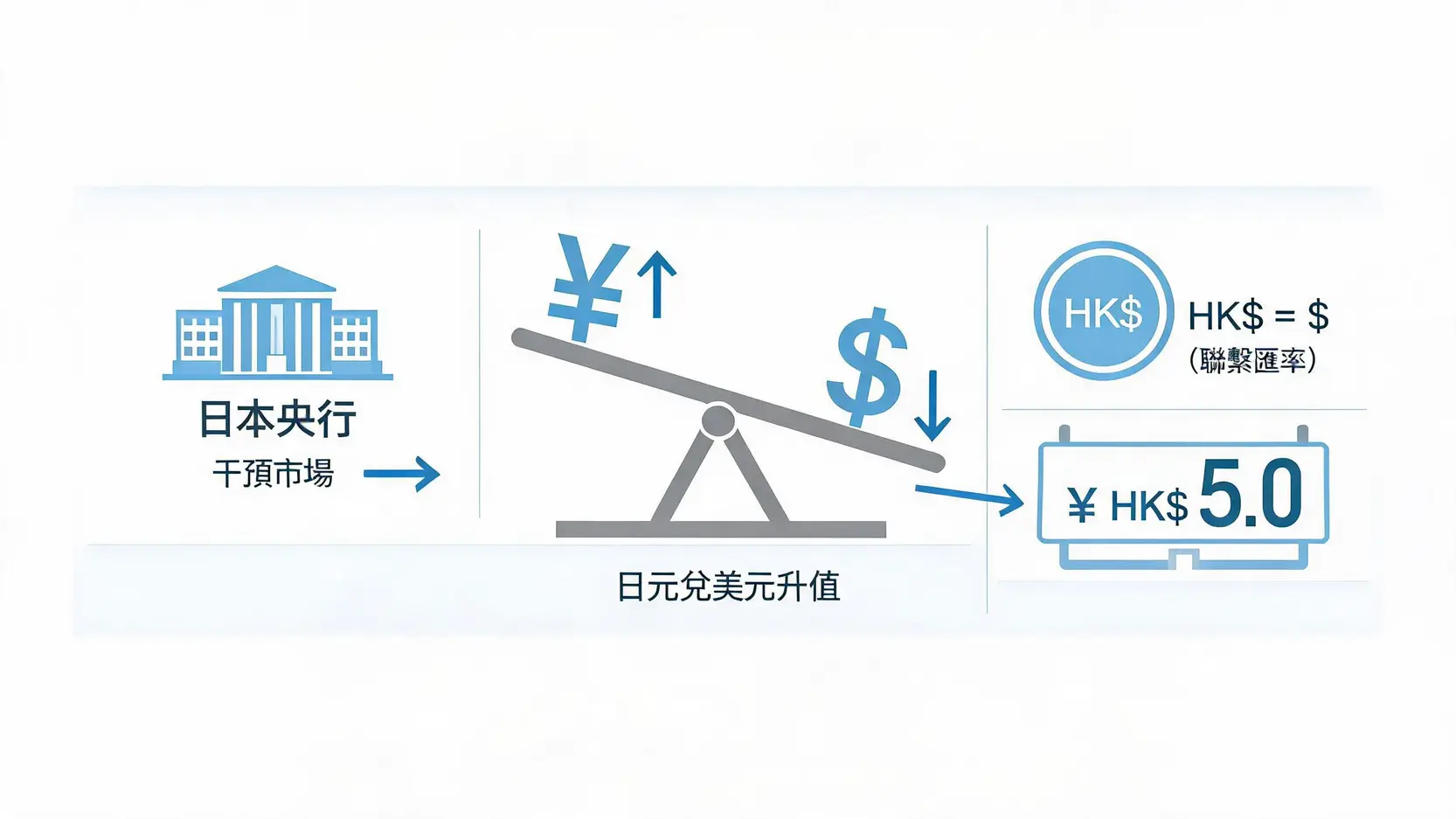
The recovery of JPY/HKD above the 5.0 level is the result of multiple factors, including official Japanese intervention and shifting market expectations. This development has created meaningful impacts and new challenges for Hong Kong travelers, investors, businesses, and students. In the face of future uncertainty, blindly following market sentiment or overreacting is unlikely to be a wise approach. Whether for travel spending, short-term currency exchange, or long-term asset allocation, decisions should be based on individual needs, risk tolerance, and views on the broader economic environment. Closely monitoring monetary policy developments and key economic data from both the US and Japan will remain essential for navigating future exchange rate fluctuations and managing risk effectively.