Why Gold Prices Plunged: Causes & Future Outlook

Gold Price Plunges to $4,100! The Shocking Truth Behind the Sharp Drop in International Gold Prices and Future Trends
Recently, the international gold market has experienced severe turbulence, with gold prices plunging below the $4,100 mark, catching countless investors off guard. This rare sharp drop in international gold prices has not only triggered market panic, but also led many people to reassess the value of safe-haven assets. This article will provide an in-depth analysis of the root causes of this flash crash, from macro data to the long-short battle on Wall Street, helping you clarify the market context and grasp future investment opportunities.
Sharp Drop in International Gold Prices: How the $4,100 Mark Was Lost
Looking back at recent market trends, gold quickly faced strong selling pressure after reaching a historical high. This sharp drop in international gold prices was not accidental, but the inevitable result of multiple intertwined factors.
Market Review and Data Analysis of Gold’s Plunge to $4,100
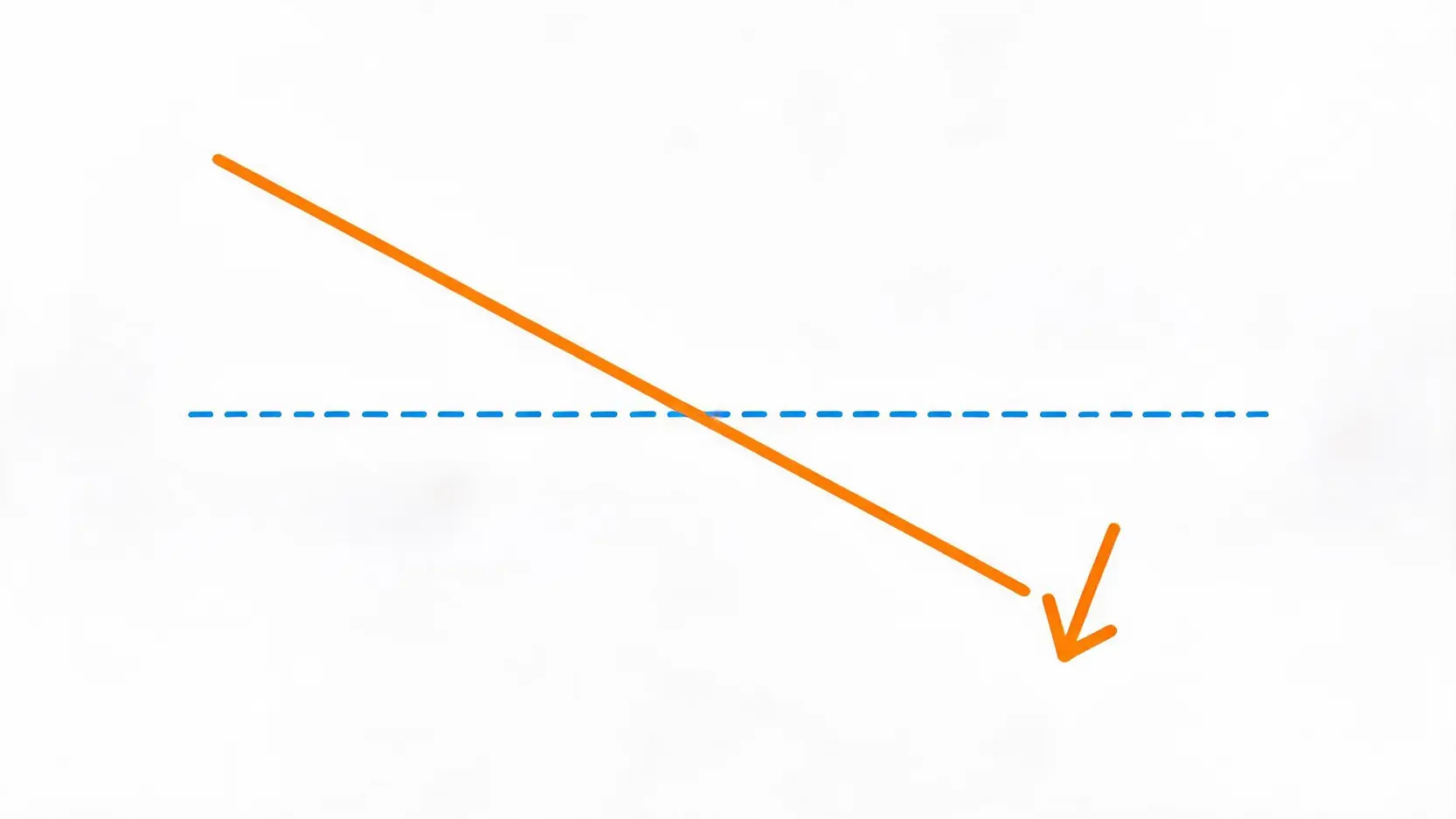
From a technical perspective, gold’s momentum gradually weakened after challenging high levels. As key support levels were broken, a large number of programmed stop-loss sell orders were triggered, further accelerating the speed of gold’s plunge to $4,100. Data shows that within just a few trading days, the decline in gold prices exceeded market expectations. Such rapid pullbacks have often been accompanied by a reshuffling of positions throughout history.

Illustration of Gold Prices Quickly Breaking Below Key Support Levels
Behind this wave of severe volatility, the flow of funds from Wall Street institutions became a key driving force. Some large institutions chose to take profits at high gold prices and transfer funds to other higher-yielding investment tools. Meanwhile, short sellers seized the opportunity to intensify their moves, using market panic to expand their gains. This kind of battle among institutions makes it easier for ordinary investors to lose direction amid volatility.
Further Reading (Strongly Recommended)
How Do Rate Cuts Affect Gold Price Trends? A Full Analysis of Federal Reserve Policy
Gold Investment Risk Assessment and the Relationship With Interest Rate Changes
The Three Core Triggers Behind Gold’s Plunge to $4,100
To understand this dramatic market shift, we must take a deeper look at the core drivers behind it. Changes in the macroeconomic environment directly weakened gold’s appeal.
The Unexpected Impact of Global Macroeconomic Data
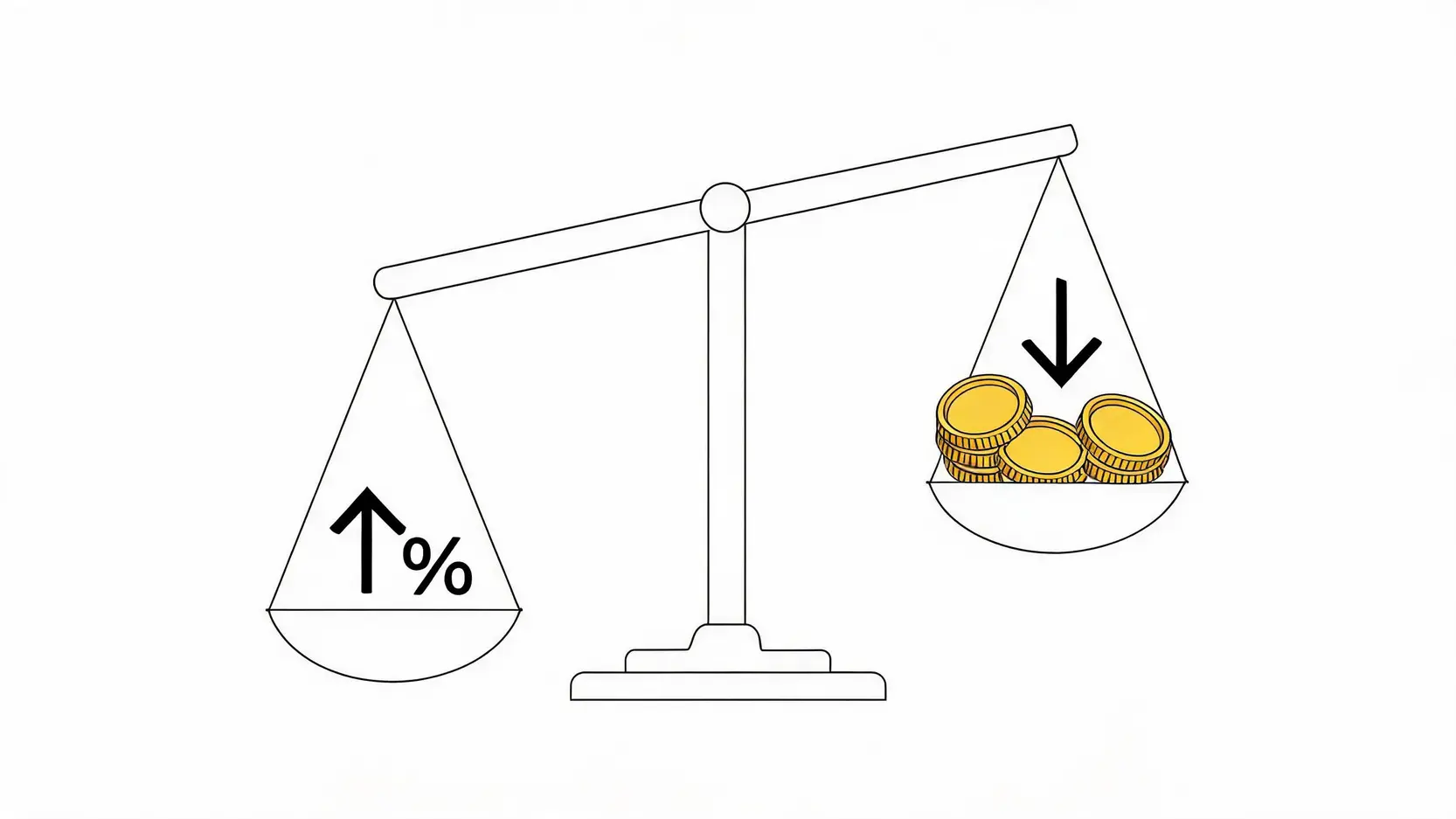
A series of recently released strong economic data disrupted the market’s expectations for continued monetary easing by global central banks. When inflation data showed stickiness and the labor market remained resilient, expectations for aggressive rate cuts fell through. A high-interest-rate environment increases the opportunity cost of holding gold, which is one of the fundamental reasons behind the sharp drop in international gold prices. According to Reuters’ market analysis, interest rate expectations have always been a key factor driving gold trends.

How a High-Interest-Rate Environment Weakens the Appeal of Gold Assets
The Weakening of Safe-Haven Sentiment as Geopolitical Tensions Cool
Over the past period, geopolitical conflicts were an important force supporting gold prices. However, as tensions in some regions showed signs of easing, market demand for safe havens cooled sharply. The withdrawal of safe-haven funds directly drained the liquidity that had driven gold prices higher, causing gold prices to slide rapidly after losing support.
Practical Strategies for Investors Facing a Sharp Drop in International Gold Prices
In the face of extreme market conditions, staying calm and developing a reasonable trading strategy are key to survival. The following provides practical suggestions for different trading timeframes.
Short-Term Trading: How to Find Support Levels Amid Severe Volatility
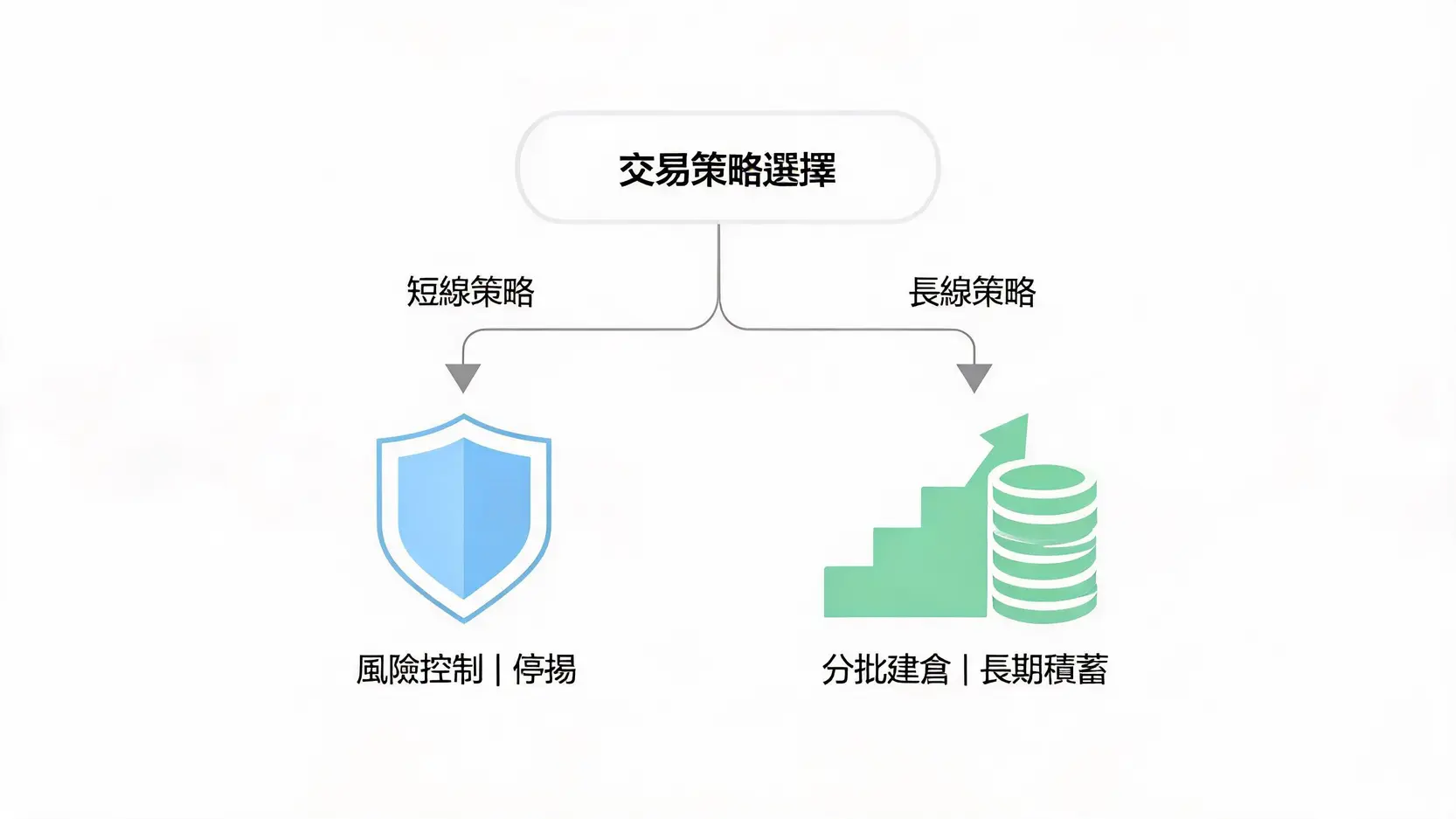
For short-term traders, after gold’s plunge to $4,100, the first priority is to identify bottom support. Watch for oversold signals in technical indicators and historical high-volume trading zones below. When volatility intensifies, position sizes should be appropriately reduced, and stop-loss levels should be strictly set to avoid being shaken out in the final drop before a rebound.
Long-Term Positioning: Has the Sharp Drop in Gold Prices Created a Good Entry Opportunity?
From a long-term perspective, gold’s core logic as an asset that counters the depreciation of credit currencies has not been completely broken. For investors who have not yet built positions or hold relatively light positions, this sharp drop in international gold prices instead provides an opportunity to buy in batches on dips. It is recommended to use a regular fixed-amount or pyramid-style position-building approach to gradually lower the average cost.

Short-Term and Long-Term Trading Strategy Planning for Extreme Market Conditions
The Importance of Stop-Loss Mechanisms and Risk Control
Whether for long-term or short-term trading, risk control always comes first. When facing extreme conditions such as gold’s plunge to $4,100, a clear stop-loss mechanism can protect your principal from devastating losses. Avoid blindly holding losing positions. The market will always be uncertain, and protecting your principal is what gives you the next opportunity to enter the market.
Frequently Asked Questions (FAQ)
Q: Will gold prices continue to fall after plunging to $4,100?
A: In the short term, market sentiment still needs time to recover, and the possibility of further downside to search for solid support cannot be ruled out. However, from a medium- to long-term perspective, global debt expansion and potential inflationary pressure still provide fundamental support for gold, so it is necessary to closely monitor central bank monetary policy trends.
Q: Is now a good time to buy gold?
A: For long-term investors, sharp declines are often opportunities to lower holding costs. It is recommended to adopt a strategy of building positions in batches and avoid making a heavy one-time investment, in order to cope with possible subsequent volatility.
Q: What impact does a sharp drop in international gold prices have on ordinary investors?
A: If they hold physical gold or related ETFs, their short-term book value will shrink. However, for investors preparing to enter the market, it means a lower entry threshold. The key lies in whether an individual’s fund characteristics match their investment horizon.
Q: Besides physical gold, what alternative investment tools are available?
A: Investors may also pay attention to gold mining stocks, gold-related mutual funds, or ETFs. These tools may show different levels of flexibility when gold prices fluctuate, helping diversify the risk of a single asset.
Conclusion
In summary, the deeper logic behind this plunge in gold prices to $4,100 and the sharp drop in international gold prices is mainly attributable to stronger-than-expected macro data and the fading of safe-haven sentiment. Although the market’s severe shakeout is harsh, it has also created new room for future market movements. Investors are reminded to stay rational in volatile markets, avoid blindly chasing highs or selling lows, and flexibly adjust asset allocation strategies in order to move forward steadily in the unpredictable gold market.
Related Articles
-
Why Haven’t Local Gold Shop Prices Fallen Despite the Plunge in International Gold Prices? Uncovering the Impact of Exchange Rates on Gold Prices Many investors often feel puzzled: they clearly see news reports showing a sharp plunge in international gold prices, so why, when they actually walk into a physical...2026 年 7 月 3 日
-
Hawkish Fed Weighs on Gold: How Could Rising Rate Hike Expectations End the Gold Bull Market? Every statement from the Federal Reserve affects the nerves of global capital markets. Recently, the phenomenon of a hawkish Fed weighing on gold has become especially evident. As rate hike expectations rise, a strong...2026 年 7 月 3 日
-
Unveiling the SK Hynix Options Frenzy: How Do Leveraged ETFs Dominate Nearly 70% of Trading Volume? Recently, SK Hynix’s share price has experienced unusually severe volatility in the Korean stock market. What is shocking is that data shows nearly 70% of its trading volume actually comes from derivatives hedging. How...2026 年 7 月 2 日