Hong Kong VASP License Guide 2026 for Web3 Firms

Complete Guide to Virtual Asset Trading Platform (VASP) License Applications: A 2026 Hong Kong Web3 Compliance Practical Guide
At the pivotal moment of 2026, as global financial digitization accelerates at an unprecedented pace, Hong Kong has firmly established itself as a leading Web3 compliance hub in Asia and around the world through its clear and rigorous regulatory framework. The Securities and Futures Commission (SFC) has now implemented highly transparent and comprehensive standards for issuing Virtual Asset Trading Platform (VASP) licenses. The introduction of this regime marks the official transition of the cryptocurrency market from its early frontier stage into a mature era characterized by robust regulation and institutional participation.
Dozens of well-capitalized traditional financial institutions and native cryptocurrency exchanges, after enduring rigorous reviews and lengthy transitional periods, are now entering a phase of significant business expansion. Obtaining this compliance license not only signifies that a platform has achieved the highest standards in cybersecurity, financial strength, and governance, but also serves as a crucial foundation for gaining the trust of institutional investors and retail participants alike. For market participants, developing a deep understanding of Hong Kong VASP license application requirements and transitional arrangements, while staying informed about the latest developments among licensed and applicant platforms, has become an essential task for managing risk and positioning effectively in the digital asset era. This article provides a comprehensive analysis of the core value and practical implications of the VASP license from the perspective of an experienced market observer.
Hong Kong’s Dual-Track Virtual Asset Regulatory Framework and a Practical Guide to Upgrading Through a Virtual Asset Trading Platform (VASP) License
Hong Kong has adopted a unique “dual-track regulatory framework” for the cryptocurrency market, designed to comprehensively cover various types of digital assets and trading activities. For financial institutions seeking to enter the Web3 sector, thoroughly understanding this framework is the first step toward obtaining a Virtual Asset Trading Platform (VASP) license and forms the regulatory foundation for long-term operational strategy.
Differences Between Security Tokens (Type 1 and Type 7 Licenses) and Non-Security Tokens (VASP License)
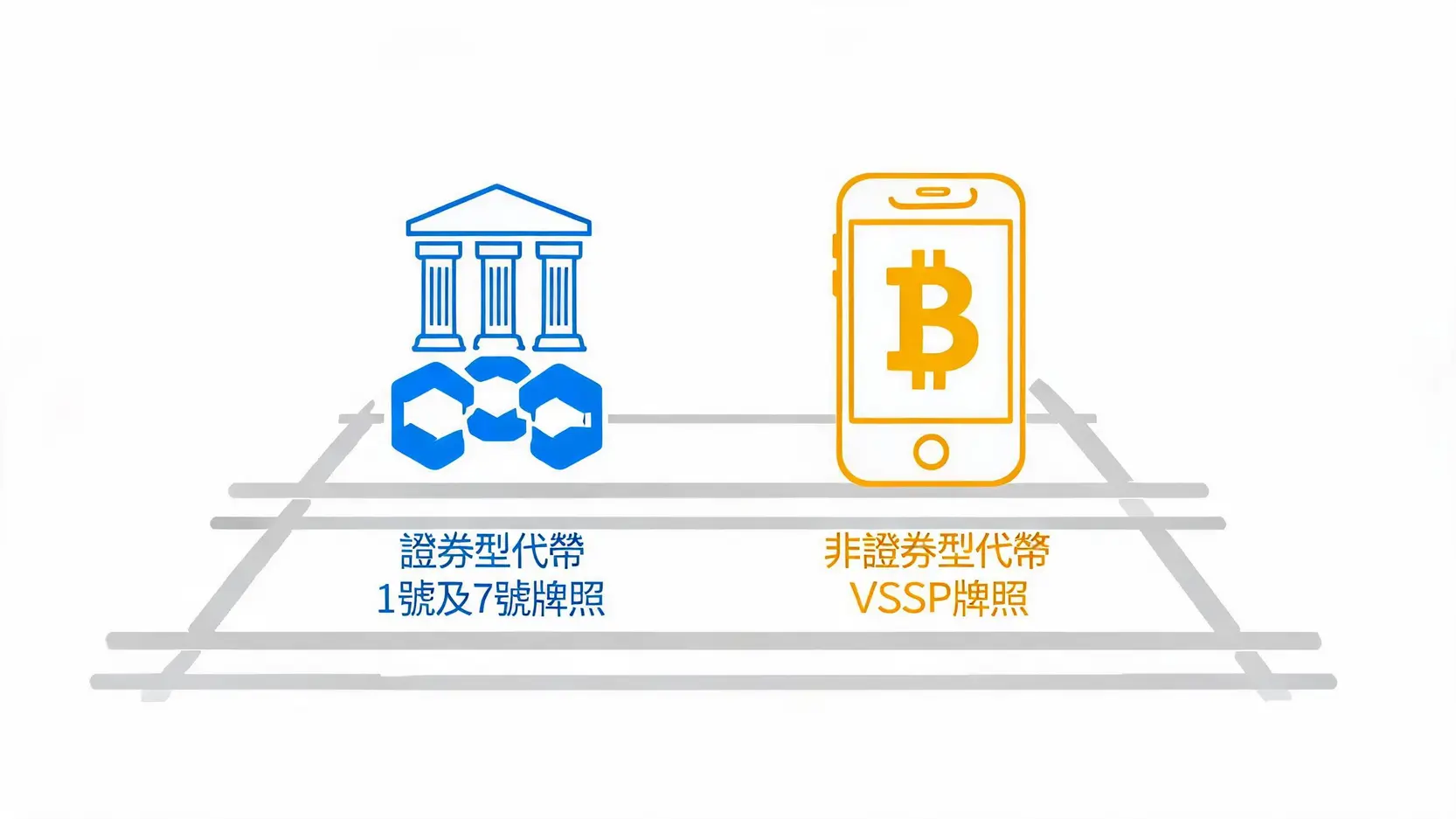
Under the current regulatory framework, digital tokens are strictly categorized into Security Tokens and Non-security Tokens. Traditional financial institutions seeking to provide seamless trading services must comply with both the “Securities and Futures Ordinance” (SFO) and the Anti-Money Laundering and Counter-Terrorist Financing Ordinance (AMLO).
- Type 1 and Type 7 Licenses (SFO Framework): These primarily apply to tokens that possess the characteristics of securities. A Type 1 license covers “dealing in securities”, while a Type 7 license covers “providing automated trading services”. Traditional brokerages upgrading their Type 1 and Type 7 licenses to enter Web3 must apply to the SFC for modifications to their existing licensing conditions and demonstrate that their systems can meet the technical requirements of blockchain infrastructure before they can legally facilitate trading in security-type virtual assets.
- VASP License (AMLO Framework): This license specifically applies to non-security tokens, including widely recognized crypto assets such as Bitcoin (BTC) and Ether (ETH). Exchanges must obtain this license before offering spot trading and custody services for these assets to the general retail public.
This dual-track framework ensures that the market maintains both innovative vitality and the stability of the traditional financial system. For large trading institutions, holding both of the above licenses simultaneously (dual licensing) has become the standard market practice in 2026, enabling them to provide high-net-worth clients with a comprehensive range of investment solutions.

Analysis of Hong Kong’s Dual-Track Virtual Asset Regulatory Framework
Transitional Arrangements and Exit Mechanisms for Existing Platforms
Looking back, the SFC previously granted cryptocurrency platforms operating in Hong Kong a grace period to upgrade their systems and compliance structures. However, by 2026, the preferential period associated with Hong Kong VASP license application requirements and transitional arrangements has effectively come to an end. The market is now undergoing a profound process of restructuring and consolidation.
Platforms that successfully passed regulatory reviews have gradually transitioned from their “deemed licensed” status to receiving formal licenses, granting them long-term authorization to operate legally. Conversely, applicant platforms that failed to satisfy the SFC’s stringent requirements relating to financial strength, cybersecurity, and anti-money laundering (AML) controls have been forced to activate exit procedures. These institutions have been placed on clearance lists and must cease operations within prescribed timelines while settling client assets in an orderly manner according to legal requirements. This process has significantly reduced the number of lower-quality market participants and further improved the quality of Hong Kong’s cryptocurrency ecosystem.
Further Reading (Highly Recommended)
Compliance Costs and Entry Barriers to Obtaining a Virtual Asset Trading Platform (VASP) License
Applying for and maintaining a Virtual Asset Trading Platform (VASP) license is far from straightforward. It requires substantial capital reserves and highly specialized compliance personnel. From building core trading systems and deploying multi-signature wallets to maintaining ongoing compliance operations, annual expenditures can easily reach tens of millions of Hong Kong dollars, serving as the ultimate test of an exchange’s capabilities.
Corporate Governance, Financial Strength Requirements, and Responsible Officer (RO) Qualifications
The SFC’s expectations for licensed institutions are comparable to those applied to leading traditional investment banks. Only by establishing a robust corporate governance framework can institutions ensure market fairness and transparency.
| Core Review Items | Specific Compliance Requirements and Threshold Indicators |
| Capital Adequacy and Liquidity | Applicants must maintain paid-up share capital of no less than HKD 5 million and continuously maintain sufficient liquid capital, typically enough to cover at least 12 months of operating expenses, ensuring the ability to meet financial obligations during extreme market volatility or black swan events. |
| Responsible Officer (RO) Qualifications | Platforms must appoint at least two Responsible Officers (ROs) approved by the SFC. These senior executives must not only possess extensive experience in virtual asset or traditional financial compliance, but must also pass rigorous assessments of their character, financial standing, and professional competence. |
| Internal Controls and AML Governance | Clear and independent compliance, risk management, and internal audit functions must be established to prevent conflicts of interest. In addition, internationally recognized KYC (Know Your Customer) procedures and ongoing on-chain fund monitoring (AML) anti-money laundering processes must be implemented. |
TCSP Trust Licenses and Requirements for Client Asset Segregation, Custody, and Insurance
In the blockchain market, ownership of tokens effectively represents control of assets. As a result, asset security is always the highest priority. Requirements relating to client asset segregation, custody, and insurance are among the most critical aspects of the SFC’s licensing review process, with standards that are far more stringent than most people imagine.
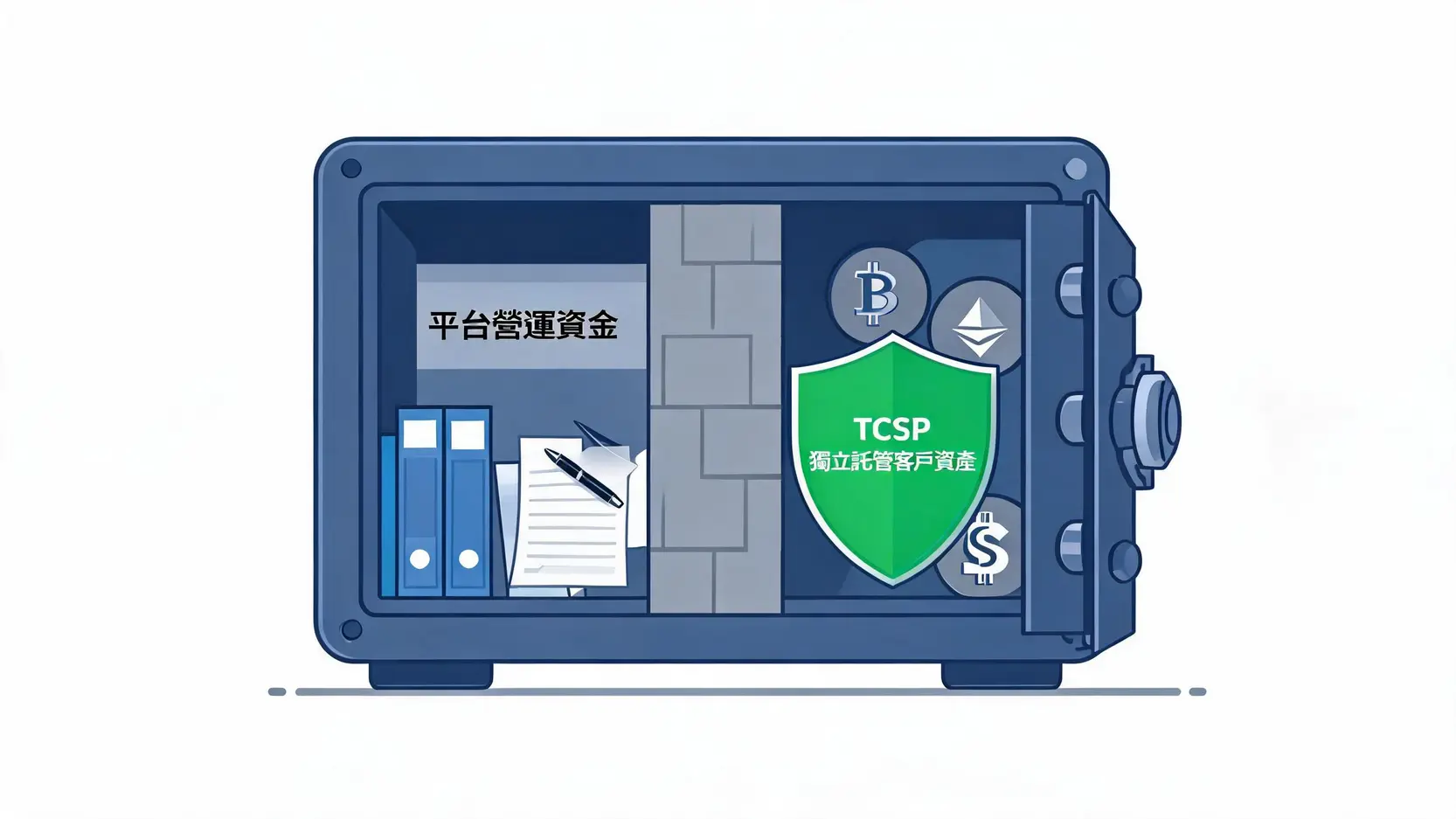
First, licensed platforms must establish a wholly owned subsidiary holding a “Trust or Company Service Provider” (TCSP) license, dedicated exclusively to holding and managing clients’ virtual assets. Second, regulations strictly require “100% segregation”, both physically and logically, between a platform’s operating funds and client assets. Platforms are strictly prohibited from using client digital assets for any unauthorized lending, Yield Farming activities, or as collateral for other investment instruments.
This framework fundamentally eliminates the possibility of operators abusing leverage and prevents incidents similar to those experienced by major overseas exchanges in the past, where misuse of client funds resulted in collapse. It allows investors to confidently store their assets on regulated platforms in Hong Kong.

Absolute Physical and Logical Segregation Between Client Assets and Platform Operating Funds
Compliance Risks of Operating Without a Virtual Asset Trading Platform (VASP) License and How Investor Assets Are Protected Under Custody Arrangements
Despite increasingly comprehensive regulation, the market still contains numerous unlicensed or offshore entities attempting to exploit information asymmetries and operate in regulatory gray areas. Rational investors must understand the significant liquidity risks associated with these entities and how investor assets are protected under a compliant regulatory framework.
Competitive Gap Analysis: The Asset Liquidation Crisis of “License Applicant” Platforms That Collapse
As the transition period drew to a close, many platforms that had been “under licensing review” but were ultimately rejected by the regulator due to excessive compliance costs faced unprecedented net capital outflows and severe liquidity pressures. Because these transitional platforms had not fully implemented independent custody of client assets and the required insurance protections, their internal control systems often contained significant weaknesses. If a market panic were to trigger a run on funds, or if management were to abscond with client assets due to legal risks, investors’ life savings could be wiped out, leaving them with little to no avenue for recovery.
By contrast, institutions holding a Virtual Asset Trading Platform (VASP) license must regularly submit balance sheet information to the SFC and undergo rigorous audits by leading third-party accounting firms. Even if a platform is forced into liquidation due to unforeseen circumstances, regulations explicitly protect the priority repayment rights of client assets. Assets held under independent trust arrangements are excluded from the platform’s bankruptcy estate, ensuring a final layer of protection for investor interests.
Hot Wallet and Cold Wallet Private Key Management and Third-Party Insurance Compensation Mechanisms
The technical architecture governing asset storage security represents another critical requirement for maintaining a valid Virtual Asset Trading Platform (VASP) license.
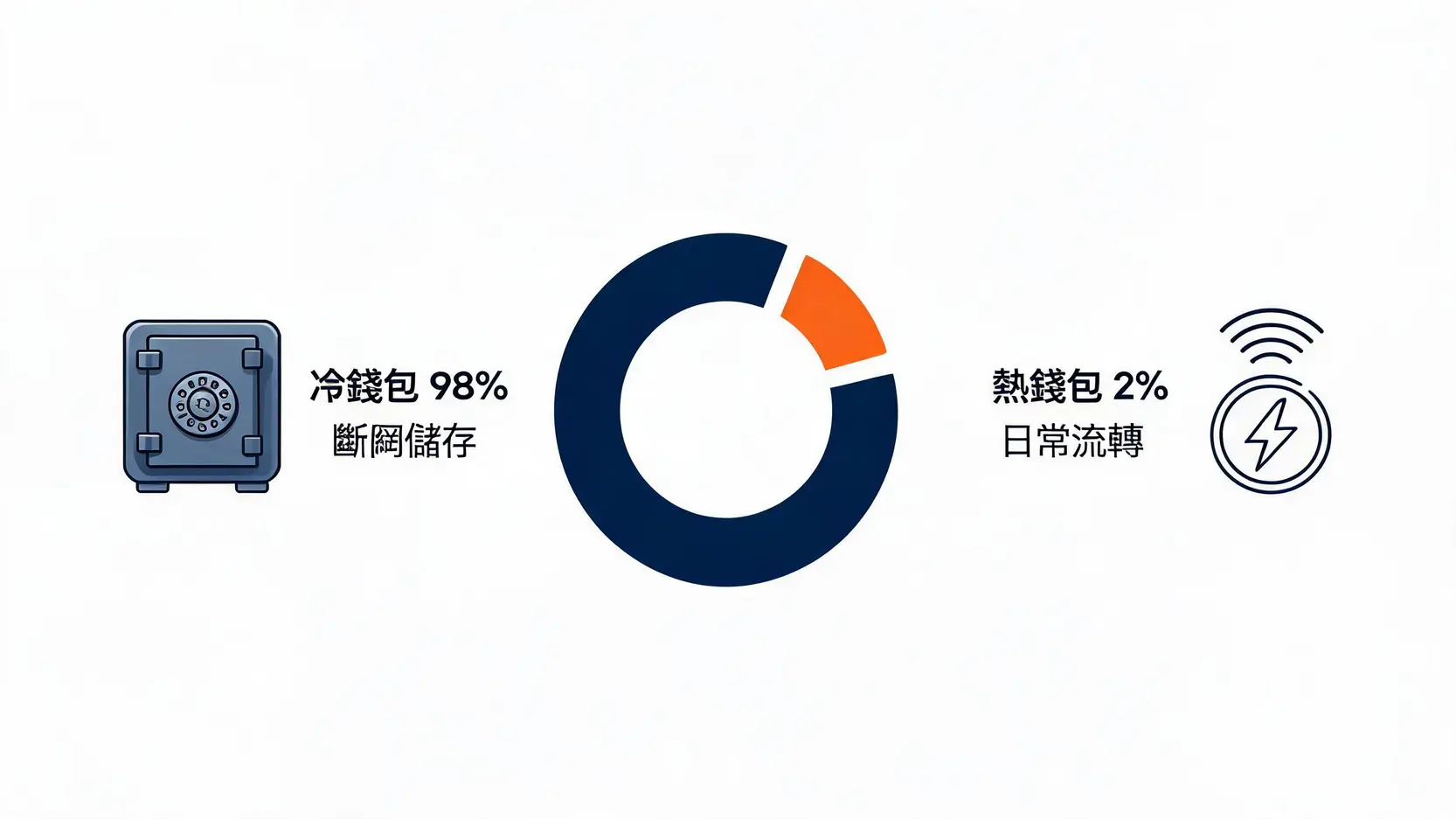
- Golden Ratio Between Hot and Cold Wallets: The SFC mandates that up to 98% of client virtual assets must be stored in fully offline “Cold Wallets”, while no more than 2% may be kept in “Hot Wallets” to facilitate daily withdrawal requirements. This physical separation significantly reduces the likelihood of hackers stealing substantial funds through network intrusion.
- Multi-Layer Private Key Security Management: The generation, storage, and authorization of private keys must strictly comply with Multi-Party Computation (MPC) or Multi-signature (Multi-sig) standards, eliminating single points of failure and preventing asset losses caused by the actions or failures of any individual executive.
- Mandatory Insurance and Compensation Arrangements: Platforms must maintain third-party insurance provided by top-tier insurers, or equivalent bank guarantees and dedicated reserve funds, covering 100% of assets held in Hot Wallets and at least 50% of assets held in Cold Wallets. In the event of severe cyberattacks or technical failures, investors are entitled to receive meaningful financial compensation under applicable regulations.

The SFC-Mandated Golden Ratio for Hot and Cold Wallet Asset Storage
Real-Time Monitoring Strategies for the SFC’s “Unlicensed Platform Alert List”
To combat illegal operations and fraudulent activities, the Hong Kong SFC has established a real-time market monitoring and public warning system. Before depositing funds, prudent investors should develop the habit of regularly reviewing authoritative information sources, such as the SFC’s Virtual Asset Trading Platform List. This official list provides detailed and up-to-date information on licensed platforms, applicants, rejected applications, and unlicensed platforms subject to warnings.
Any institution that does not hold a Virtual Asset Trading Platform (VASP) license but actively promotes trading services to the Hong Kong public will quickly attract regulatory attention and may be placed on the warning list. In serious cases, such entities may also face criminal investigations by law enforcement authorities. Investors should remain highly cautious and avoid platforms that promise unusually high returns, use overly aggressive marketing tactics, and do not appear on the official whitelist.
Further Reading (Highly Recommended)
Frequently Asked Questions (FAQ)
Q: Which institutions have already obtained a Virtual Asset Trading Platform (VASP) license in Hong Kong?
A: As of 2026, multiple trading platforms in Hong Kong have successfully passed rigorous regulatory reviews and received formal licenses. These include not only early pilot license holders such as OSL Exchange and HashKey Exchange, but also several major brokerage-backed and native cryptocurrency platforms that successfully transitioned to full licensing after the transitional period. Since the latest developments regarding licensed and applicant platforms continue to evolve alongside regulatory progress, investors should always visit the official website of the Hong Kong Securities and Futures Commission to review the latest “Licensed Virtual Asset Trading Platform List” before conducting any asset-related activities, ensuring that their funds are deployed in a fully compliant environment.
Q: Which cryptocurrencies can retail investors trade on VASP-licensed platforms?
A: The SFC has established extremely stringent inclusion criteria for cryptocurrencies accessible to retail investors, with the aim of protecting less experienced investors from highly volatile speculative tokens. At present, retail investors are generally limited to highly liquid, large-capitalization crypto assets that have demonstrated resilience through multiple market cycles, such as Bitcoin (BTC) and Ether (ETH). These tokens must be included in investment-grade indices maintained by at least two independent internationally recognized index providers. If a platform wishes to list additional tokens for retail trading, it must submit a highly detailed token due diligence report to the SFC and obtain formal written approval.
Q: How long does it typically take to obtain a Virtual Asset Trading Platform (VASP) license?
A: It is an extremely challenging long-term undertaking. From the initial expression of intent, preparation of core trading infrastructure, recruitment of qualified Responsible Officers (ROs), and drafting hundreds of pages of compliance and anti-money laundering documentation, to the formal submission of the application, the preparation stage alone typically requires six to twelve months. After submission, the substantive review process conducted by the SFC, including multiple rounds of written inquiries and rigorous on-site inspections, generally requires an additional twelve to eighteen months or longer. As a result, obtaining a VASP license from the ground up often becomes a project extending beyond two years.
Q: How can traditional brokerages upgrade their existing Type 1 and Type 7 licenses to provide Web3 trading services?
A: For traditional brokerages that already possess Type 1 and Type 7 licenses and have established a long-standing presence in the financial industry, the first step is to formally apply to the SFC for a “modification of their licensing conditions”. They must demonstrate through documentation and system presentations that their existing IT infrastructure, cybersecurity standards, and AML controls fully satisfy the specific regulatory requirements applicable to digital assets. In addition, if the brokerage intends to provide retail spot trading services for non-security tokens (such as BTC and ETH), its existing licenses alone are insufficient. It must also allocate additional resources to obtain a Virtual Asset Trading Platform (VASP) license, thereby achieving full compliance under Hong Kong’s “dual-track regulatory framework”.
Conclusion: The Current State and Future Outlook of Virtual Asset Trading Platform (VASP) Licenses
Viewed from the industry’s position in 2026, obtaining a Virtual Asset Trading Platform (VASP) license is no longer an optional public relations credential for cryptocurrency exchanges. It has become the only viable path toward legitimacy and long-term sustainability. Rigorous regulatory compliance is no longer merely a slogan, but a reflection of genuine capital strength and technological resilience. Strict requirements relating to client asset segregation, custody, and insurance have effectively ended many of the problematic practices that characterized the industry’s earlier stages of development, creating a safe, transparent, and sustainable environment for both retail investors and leading institutional participants.
Looking ahead, whether for traditional financial institutions actively pursuing digital transformation or Web3-native platforms seeking global compliance expansion, closely following the regulatory direction of the Hong Kong Securities and Futures Commission, conducting in-depth market analysis, and continuously monitoring developments among licensed and applicant platforms will remain critical for capturing the substantial opportunities emerging within the next decade of financial markets. Only by placing investor protection at the forefront and embracing high regulatory standards can market participants achieve sustainable profitability and maintain a competitive position throughout the golden age of Web3.
Related Articles
-
US PPI Comes in Below Expectations: Is Inflation Cooling? Understand the Impact on the Stock Market, Interest Rate Hikes, and Your Wallet The recently released US Producer Price Index (PPI) once again came in below market expectations, sparking optimism that inflation is cooling. What exactly does this key US PPI...2026 年 7 月 21 日
-
PPI and CPI Surge: Is the Inflation Monster Coming? Understand the Two Key Indicators and Protect Your Wallet! Have you recently felt that your money is worth less and less, with the price of everything rising except your salary? Everyone is talking about “inflation”, but where exactly does this monster...2026 年 7 月 21 日
-
When Oil Prices Rise, Which Currencies Benefit? Understanding Investment Strategies for Crude Oil Currency Pairs What Are Crude Oil Currencies? Uncovering the Relationship Between Oil Prices and Forex As volatility in the global energy market intensifies, every movement in crude oil prices affects the foreign exchange market. For perceptive investors,...2026 年 7 月 21 日