What Is Negative Balance Protection (NBP)? A Complete Guide to the Hidden Safety Net That Helps You Avoid Debt After Margin Call and Liquidation
When trading forex, one of the greatest fears is experiencing extreme market volatility that causes losses to exceed your deposited funds, leaving your account in negative balance and potentially owing money to your broker. This is exactly why “Negative Balance Protection” (NBP) is so important. It serves as a critical safeguard for high-leverage traders, but what exactly is NBP? How does it work? This article provides an in-depth explanation of negative balance protection in forex trading, its importance, and how to choose reliable brokers that offer this protection so you can trade with peace of mind and avoid unnecessary risks.
What Exactly Is Negative Balance Protection (NBP)?
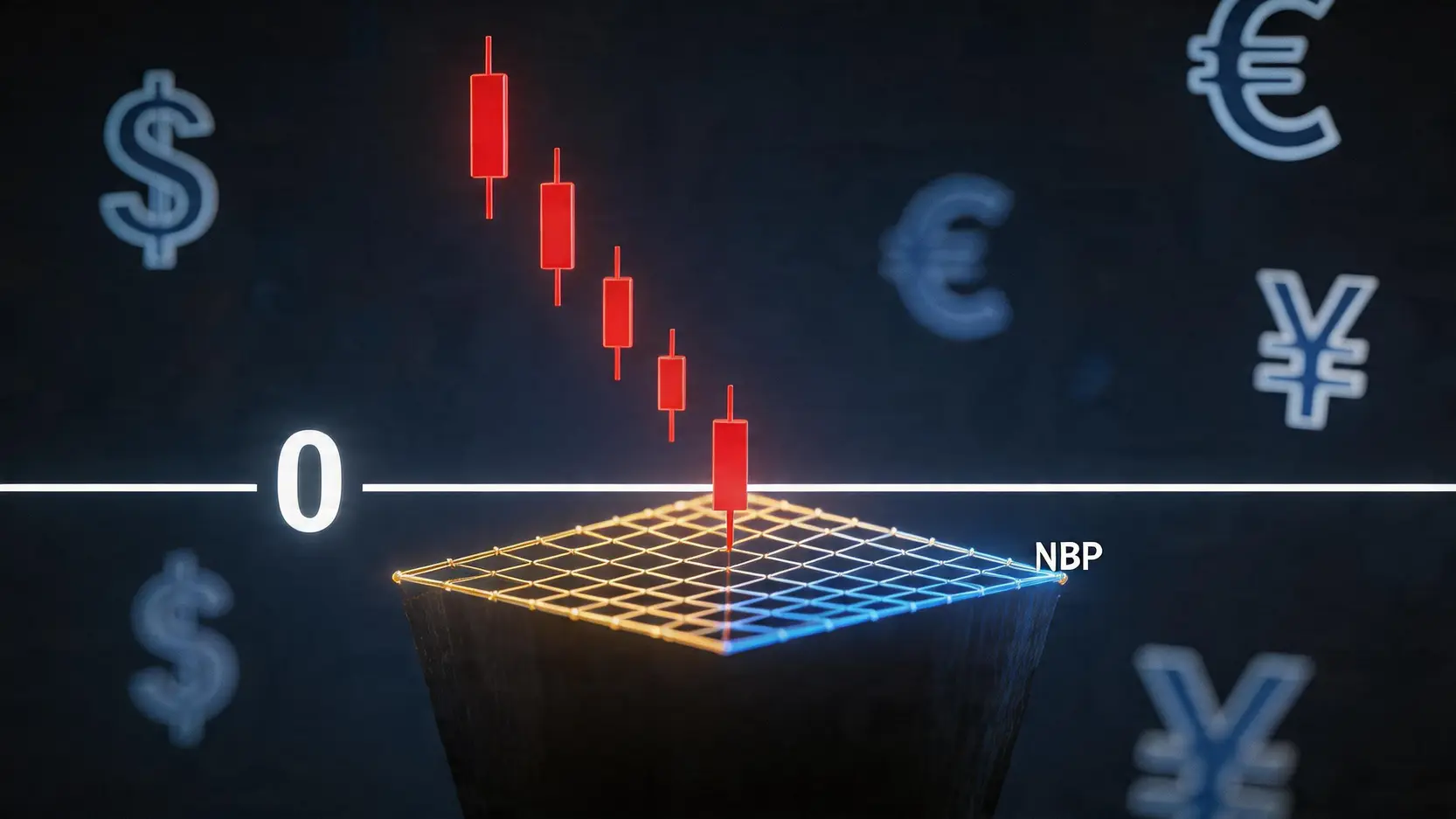
Negative Balance Protection (NBP) is a policy offered by brokers to ensure that a trader’s losses do not exceed the total funds deposited in their account. In simple terms, even under extreme market conditions, your account balance will not go below zero. This means you can never owe money to your broker due to trading losses.
Official Definition and How NBP Works
The mechanism of NBP is straightforward. When the market experiences sudden and extreme volatility (such as a massive price gap), and your position is forcibly closed (stop out), your account may still fall into a negative balance. In such cases, the broker activates this protection.
The process works as follows:
- Trigger condition: Extreme market volatility leads to forced liquidation, resulting in a negative account balance.
- Protection execution: The broker automatically or upon review resets the negative balance back to zero.
- Final result: The trader’s maximum loss is limited to the deposited capital, with no obligation to cover any excess loss.
Think of it as a firewall: no matter how severe the market shock is, it ensures the damage cannot spread beyond your own funds and prevents you from “falling into debt”.
Why Is NBP Crucial in High-Leverage Trading?
In forex trading, leverage is commonly used to amplify potential returns, but it also amplifies potential losses. A 100:1 leverage ratio means a 1% market movement can double your account or wipe it out. In such a high-leverage environment, NBP acts as an essential safety net.
Imagine this scenario: without NBP, a sudden “black swan” event could cause prices to gap hundreds of pips within seconds. In this case, stop-loss orders may not be executed at the intended level, and the actual closing price could be much worse than expected, resulting in losses far beyond your margin. Without NBP, this debt would fall on the trader personally. Therefore, in any leveraged trading environment, confirming whether your broker offers negative balance protection is a top priority in risk control.
Further Reading (Highly Recommended)
Forex Trading Platform Guide: How to Choose a Safe and Reliable Broker
2026 Forex Beginner Guide: Risk Management and Broker Selection for Stable Profits!
Risks Without Negative Balance Protection: Real Case Warning
Theory alone is not enough to understand the severity of the risk. Historical events have already shown the devastating consequences of trading without NBP.
The “Swiss Franc Black Swan” Event: How Traders Ended Up in Debt Overnight
On January 15, 2015, the Swiss National Bank (SNB) unexpectedly removed the 1.20 exchange rate floor between the euro and the Swiss franc. In minutes, the Swiss franc surged nearly 30% against major currencies. This “Swiss Franc Black Swan” event caused massive chaos in the global forex market.
At that time, many traders holding EUR/CHF positions were instantly liquidated. Due to extreme price gaps and lack of liquidity, stop-loss orders could not be executed properly. As a result:
- Many trading accounts fell into deep negative balances far beyond their initial deposits.
- Some brokers without NBP, such as Alpari UK, went bankrupt.
- Many traders not only lost all capital but also received debt collection notices, turning from investors into debtors.
This event highlights the absolute necessity of NBP as the final safeguard protecting retail traders during extreme and unpredictable market shocks.
Legal Risks When There Is No Negative Balance Protection
If your account goes negative and your broker does not offer NBP, you are legally responsible for the debt. The broker has the right to recover the outstanding amount.
You may face:
- Debt collection notices: Calls and letters from legal departments or third-party agencies.
- Legal action: The broker may initiate lawsuits to recover the debt.
- Credit impact: Court rulings may negatively affect your credit score, impacting future loans and credit applications.
This is not only a financial burden but also a significant psychological stress. Choosing a broker with NBP fundamentally eliminates this risk.
How to Choose a Broker That Offers Negative Balance Protection
Once you understand the importance of NBP, the next step is to learn how to identify brokers that genuinely provide reliable negative balance protection. This goes beyond a simple claim on a website and requires careful verification and comparison. A good starting point is to refer to professional forex broker selection guides and follow the steps below for due diligence.
First Step: Verify Regulatory Licenses and Terms
Regulation is the first line of defense. Top-tier global regulators, such as the European Union’s ESMA (European Securities and Markets Authority) and the UK’s FCA (Financial Conduct Authority), require brokers under their supervision to provide negative balance protection to retail clients.
- Check the regulator: Prioritize brokers regulated by EU member states (such as CySEC: Cyprus Securities and Exchange Commission), or the UK FCA.
- Review the client agreement: Do not rely solely on marketing claims! Carefully read the broker’s “Client Agreement” or “Terms and Conditions”. Search for keywords such as “Negative Balance Protection” or “negative balance” to confirm the exact terms of the protection.
Second Step: Examine Trigger Conditions and Execution Process
Understanding how NBP is triggered and executed is equally important. Different brokers may have subtle differences in handling.
- Is it automatic or manual? Ideally, NBP should be applied automatically without requiring a client request. Confirm how quickly the account balance is reset to zero.
- Who is covered? Some offshore-regulated brokers may only offer NBP to clients in specific regions (such as the EU). Ensure the policy applies to your jurisdiction.
- Are there exceptions? Check whether the terms include disclaimers, such as exclusions during “abnormal market conditions”.
Third Step: Compare the Scope of Protection Across Brokers
Finally, comparing the details of protection across different platforms can help you make a more informed decision. You can create a simple table to evaluate:
| Evaluation Item |
Broker A |
Broker B |
Broker C |
| Main Regulatory Authority |
CySEC (EU) |
FCA (UK) |
ASIC (Australia) |
| Whether NBP Is Clearly Provided |
Yes (required by regulation) |
Yes (required by regulation) |
Yes (broker-provided) |
| Execution Method |
Automatic |
Automatic |
Manual request required |
| Eligible Client Scope |
All retail clients |
All retail clients |
May vary depending on region |
*Note: The table above is for illustrative purposes only. ASIC in Australia does not currently mandate brokers to provide NBP, but many high-quality brokers still choose to offer this protection voluntarily.
Frequently Asked Questions (FAQ)
Q: What happens if my account goes negative without NBP?
A: If a broker does not provide NBP, any negative balance in your account will be treated as a debt owed to the broker. The broker has the legal right to recover this debt, potentially through collection agencies or even legal action. This can have serious financial and credit implications.
Q: Do all regulated brokers offer negative balance protection?
A: No. Regulators in the EU (such as those under CySEC) and the UK (FCA) require brokers to provide NBP for retail clients. However, other regulators (such as ASIC in Australia and FSCA in South Africa) do not impose this requirement. Therefore, even when a broker is regulated, you must still review their terms to confirm whether NBP is included.
Q: Does Negative Balance Protection (NBP) require an additional fee?
A: No. For reputable brokers, NBP is a standard client protection feature included in their services. It is not charged separately. If a broker claims that you must pay extra to obtain NBP, you should treat this as a warning sign.
Q: Do professional accounts also receive NBP?
A: Usually not. Under EU and UK regulations, NBP is designed to protect less experienced “retail clients”. When upgrading to a “professional account” for higher leverage, traders are often required to waive certain protections, including NBP. It is important to understand these trade-offs before applying.
Conclusion
In summary, Negative Balance Protection (NBP) is one of the most important safety nets for forex traders, especially in highly leveraged and uncertain markets. It ensures that your maximum loss is limited to your deposited capital, protecting you from falling into debt due to extreme market events. When choosing a trading platform, always prioritize brokers that “clearly and reliably offer negative balance protection” as it is a crucial safeguard for your investment security.