Taiwan FSC Futures Broker Verification Guide

Updated: 2026/06/04  |  CashbackIsland

legal-futures-broker-check-taiwan

Avoid Fraudulent Platforms! A Visual Guide to Taiwan FSC Licensed Futures Merchant Verification and Scam Prevention

In recent years, driven by heightened volatility in global financial markets and the impact of monetary easing policies worldwide, more investors have begun seeking diversified investment instruments. However, underground futures operators and overseas fraudulent platforms promoting “high margin returns, zero commissions, and guaranteed profits” have also emerged in large numbers. Many investors, without conducting proper due diligence, commit substantial funds and ultimately suffer devastating financial losses. Therefore, before opening any account or engaging in any trading activity, conducting a Taiwan FSC licensed futures merchant verification is unquestionably the first line of defense for protecting your capital.

This article analyzes the latest fraud tactics seen in 2026. It not only provides a step-by-step guide to using the official Securities and Futures Bureau verification system, but also explores how to distinguish between legitimate and illegal futures trading platforms, while offering practical emergency response guidance to help investors effectively avoid scams involving overseas high-leverage fraudulent brokers


Why Is Taiwan FSC Licensed Futures Merchant Verification Essential? Understanding the Risks of Underground Futures and Derivatives Products

Before diving into the verification process, it is important to understand a fundamental question: why should investors only use futures merchants regulated by Taiwan’s Financial Supervisory Commission (FSC)? Many overseas platforms advertise leverage ratios of several hundred times, generous account-opening bonuses, and other seemingly attractive incentives. However, behind these offers often lie significant hidden risks. Conducting a Taiwan FSC licensed futures merchant verification can effectively help investors avoid unauthorized underground futures operators and high-risk derivatives providers. 


The Operational Trap of Underground Futures Platforms and B-Book Models

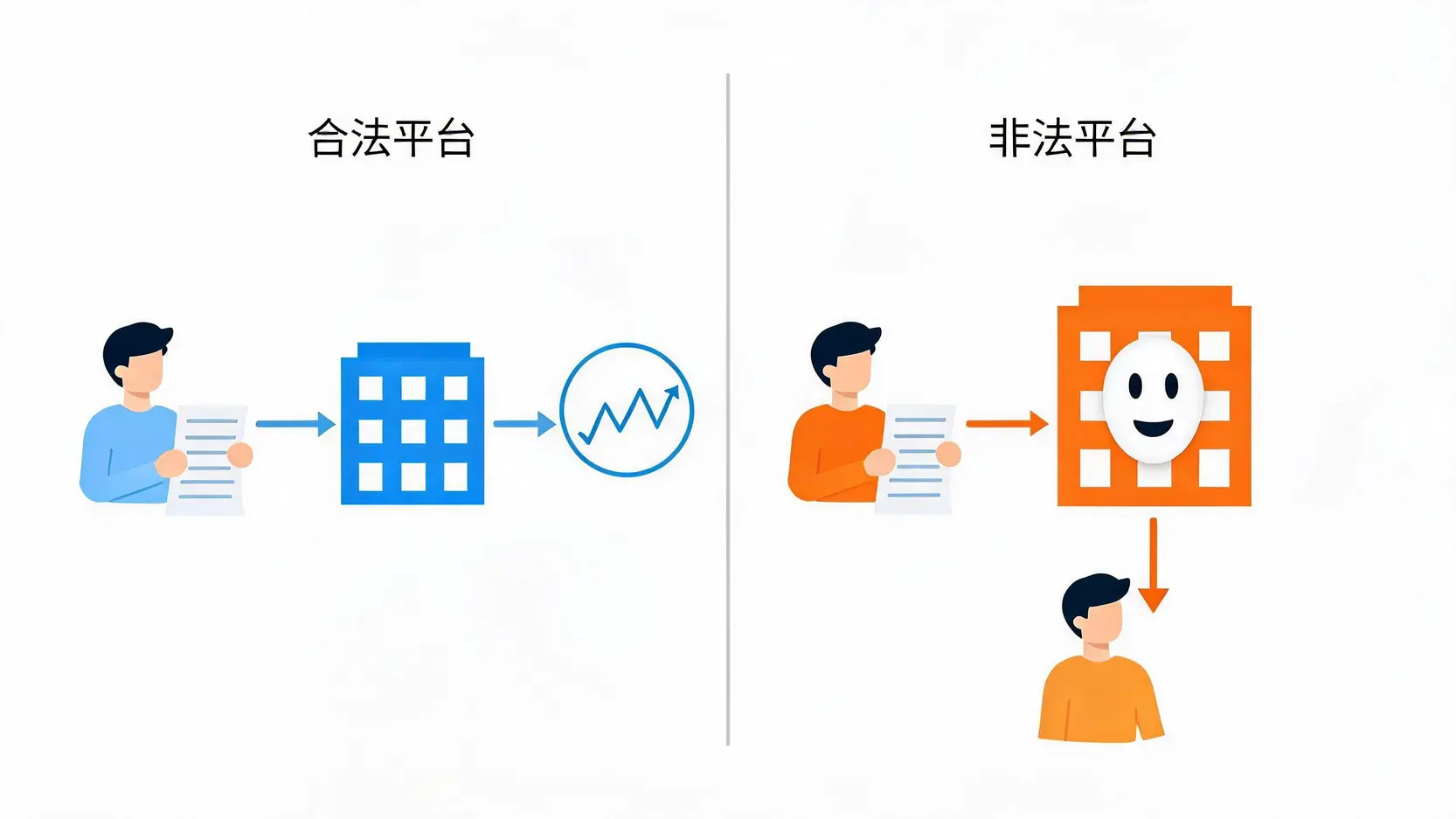
“Underground futures” refers to illegal institutions that establish trading platforms and solicit futures trading business without authorization from regulatory authorities. These platforms typically lack the capability to route customer orders to legitimate exchanges (such as the Taiwan Futures Exchange (TAIFEX) or the Chicago Mercantile Exchange (CME)). Instead, many operate under a “B-Book” model. 

In a dealing-desk or “counterparty” model, an investor’s loss becomes the platform’s profit. When you take a long position in the market, the platform is effectively taking the opposite side of your trade. This conflict of interest can create strong incentives for unscrupulous operators to manipulate price quotes, generate excessive slippage, or even deliberately disrupt connectivity just as you are about to close a profitable position (commonly referred to as a “disconnect”). In some cases, trading may be suspended under the pretext of system maintenance. In more severe situations, when markets experience sharp volatility and clients collectively become profitable, these unregulated futures operators may simply disappear with client funds. This is why, when evaluating the differences between futures and stocks, one of the first priorities should be verifying the regulatory compliance and legitimacy of the trading platform.

合法期貨商與地下期貨黑平台訂單流向對比圖

Comparison of Order Flow Between Licensed Futures Merchants and Underground Fraudulent Platforms

Comparison Item Licensed Futures Merchant (Regulated by the FSC)

Underground Futures Operators and Fraudulent Platforms

Fund Security Held in segregated bank accounts and protected under regulatory requirements Funds transferred to nominee accounts or unidentified overseas accounts, with a constant risk of misappropriation
Order Routing Directly routed to licensed domestic and international exchanges Internal B-Book dealing by the platform, with no actual market execution
Fees and Spreads Transparent and publicly disclosed, consistent with market conditions Advertises commission-free trading while concealing excessive spreads and severe slippage
Regulatory Authority Subject to strict supervision by Taiwan’s Securities and Futures Bureau under the FSC Unregulated, or falsely claims to hold licenses from remote offshore jurisdictions


The Severe Consequences of Funds Not Being Protected by Domestic Regulations

Once you choose an unlicensed platform, the most immediate risk is a complete “breakdown in fund security”. Licensed futures merchants must comply with strict capital adequacy requirements, and client margin funds must be held in designated segregated bank accounts, completely separate from the company’s operating capital. Even if a licensed futures merchant unfortunately becomes insolvent, investors’ margin funds remain protected and claims may be pursued through the Securities and Futures Investors Protection Center.

In contrast, when dealing with underground futures operators or unregistered overseas platforms, domestic financial regulators have no authority to intervene if your withdrawals are maliciously blocked or your account is arbitrarily frozen. Recovering funds across borders is extremely difficult, requiring substantial international legal expenses while offering only a minimal chance of success. Therefore, when learning about futures funding procedures and margin transfers, always verify that the recipient account belongs to the designated account of a licensed institution. 

How to Use the Official Securities and Futures Bureau Verification System

Now that the risks are clear, it is time for the practical section. In today’s information-heavy environment, the simplest and most effective way to protect yourself is to use the official Securities and Futures Bureau verification system. The entire process takes only a few minutes and allows you to confirm whether a company is legally authorized to conduct futures business. 

Access the “Licensed Financial Institutions Website Links” and “Securities and Futures Industry Directory”

First, open your browser and visit the official website of the “Financial Supervisory Commission”. To avoid phishing websites, always ensure the website address ends with “.gov.tw”. Once on the homepage, follow these steps:

  • Step 1: Locate the “Public Services” or “Financial Information” section from the main navigation menu.
  • Step 2: Enter the “Licensed Financial Institutions Website Links” section provided by the Securities and Futures Bureau.
  • Step 3: Download the latest version of the “Securities and Futures Industry Directory” (which is typically available in Excel or PDF format and updated regularly).

Using this official directory, you can verify all futures merchants and branch offices approved by Taiwan authorities. If a platform claims to be legitimate but does not appear in this directory, it should be treated as a major warning sign.


Cross-Check the Futures Merchant’s Name, Registration Number, and License Reference Number

Some deceptive fraudulent platforms attempt to “borrow a reputable name”, claiming to be an overseas branch or authorized representative of a legitimate futures broker. In such cases, simply checking the company name may not be sufficient. You should conduct a more thorough “cross-verification” process:

  1. License Reference Number Verification: Every licensed futures merchant must legally disclose its “FSC-approved futures merchant license reference number” in its marketing materials or on its website. Enter this reference number into the official verification system and confirm that the information matches.
  2. Business Registration Number and Bank Account Verification: When making deposits, the beneficiary name of a licensed futures merchant’s account must match the company’s official name (such as “ABC Futures Co., Ltd. Client Margin Account”). It should never be a personal account or the account of a third-party payment provider.
  3. Official Website Verification: Use the “official links provided by the Securities and Futures Bureau” to access the merchant’s legitimate website. Never download trading applications through unknown links distributed in messaging groups, as these may contain malicious software.


Emergency Response and Complaint Procedures When Encountering Fraudulent Platforms: Preventing Overseas High-Leverage Scam Platforms

Even with strong fraud awareness, scam tactics continue to evolve. In recent years, many fraudulent platforms have stopped creating original brands and instead directly “copied” legitimate firms, making it increasingly difficult to distinguish between legal and illegal futures trading platforms

Market Gap Supplement: How to Identify Phishing Websites That “Clone” Legitimate Futures Brokers

“Clone platforms” are among the most widespread scams in 2026. Fraudsters create websites that are almost identical to those of legitimate Taiwanese or international brokers. Corporate logos, website designs, and even regulatory license numbers are copied in detail. Investors who conduct only a superficial review can easily be deceived.

To identify these phishing websites, pay close attention to the following warning signs:

  • Minor Differences in the URL: Clone websites often insert extra hyphens, numbers, or substitute the letter “l” with the number “1”.
  • Unusual Customer Service Channels: Legitimate futures merchants generally provide official customer service hotlines and verified corporate accounts. If customer support is available only through personal LINE accounts and repeatedly pressures you to deposit more funds, it is highly likely to be a fraudulent operation.
  • Unreasonable Deposit Methods: Requests to purchase cryptocurrency for transfers or to send funds to various personal accounts should be treated as major warning signs.

Using a Magnifying Glass to Examine Website URLs and Customer Service Channels to Identify Clone Websites


What Should You Do If Your Funds Are Frozen? Standard Reporting and Complaint Procedures

If you discover that you are unable to withdraw your profits and customer service refuses your withdrawal request using absurd excuses such as “requiring an additional security deposit”, an “unfreezing fee due to alleged money laundering concerns” or “tax payments” remain calm and do not transfer any additional funds under any circumstances!

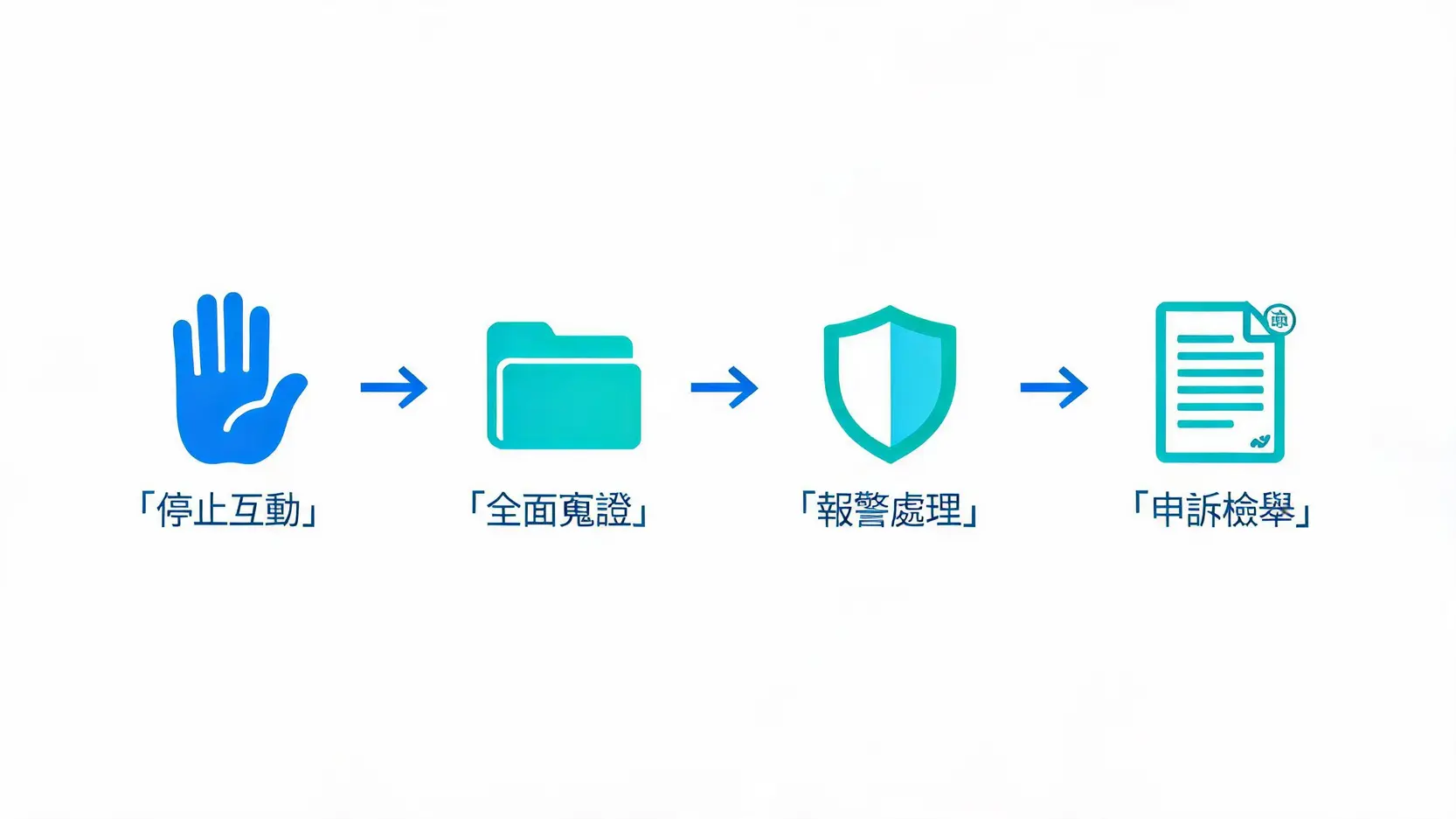
The recommended emergency response process is as follows:

  1. Immediately Cease Communication: Avoid alerting the scammers. Pretend you are still arranging funds to buy yourself time.
  2. Comprehensive Evidence Collection: Take screenshots and preserve all communication records, deposit and withdrawal records, and bank transfer details, including transfer receipts and more)
  3. Report the Incident and Request an Account Freeze: With the evidence you have collected, report the case to the police immediately and request assistance in initiating the “account warning” or freezing process. If the funds in the fraudsters’ mule accounts have not yet been transferred out, there may still be an opportunity to freeze and recover a portion of the funds.
  4. Submit a Complaint to the Regulator: Report the website through the FSC complaint channels. Regulatory authorities may coordinate with telecommunications providers to block the website and prevent further victims.

辨識克隆釣魚網站的關鍵細節示意圖

Using a Magnifying Glass to Examine Website URLs and Customer Service Channels to Identify Clone Websites


What Should You Do If Your Funds Are Frozen? Standard Reporting and Complaint Procedures

If you discover that you are unable to withdraw your profits and customer service refuses your withdrawal request using absurd excuses such as “requiring an additional security deposit”, an “unfreezing fee due to alleged money laundering concerns” or “tax payments” remain calm and do not transfer any additional funds under any circumstances!

The recommended emergency response process is as follows:

  1. Immediately Cease Communication: Avoid alerting the scammers. Pretend you are still arranging funds to buy yourself time.
  2. Comprehensive Evidence Collection: Take screenshots and preserve all communication records, deposit and withdrawal records, and bank transfer details, including transfer receipts and more)
  3. Report the Incident and Request an Account Freeze: With the evidence you have collected, report the case to the police immediately and request assistance in initiating the “account warning” or freezing process. If the funds in the fraudsters’ mule accounts have not yet been transferred out, there may still be an opportunity to freeze and recover a portion of the funds.
  4. Submit a Complaint to the Regulator: Report the website through the FSC complaint channels. Regulatory authorities may coordinate with telecommunications providers to block the website and prevent further victims.

遭遇假冒期貨平台詐騙的四步驟應急處理流程圖

Standard Emergency Response Procedure When Funds Are Frozen


Double Protection Through the Anti-Fraud 165 Hotline and Financial Literacy Resources

Prevention is always better than remediation. The National Police Agency’s 165 Anti-Fraud Hotline website and the Financial Supervisory Commission’s “Financial Wisdom Network” regularly update lists of “reported entities suspected of impersonating legitimate financial institutions”. Before investing in any financial product that claims to offer exceptionally high returns, take the time to search the platform’s name together with the keyword “scam” and conduct proper due diligence. Familiarizing yourself with anti-fraud best practices and developing a keen awareness of suspicious situations are among the wisest steps any investor can take.


Further Reading (Highly Recommended)

Silver Futures Guide: A Beginner’s Handbook Covering Margin Requirements, Contract Specifications, and Fees

The Complete Guide to Opening a Cryptocurrency Account in Hong Kong: Virtual Asset Account Opening and Anti-Fraud Strategies


Frequently Asked Questions: Taiwan FSC Licensed Futures Merchant Verification and Scam Prevention Guide

Are foreign well-known futures platforms always safe?

Not necessarily. Even if a platform holds a legitimate license in strictly regulated jurisdictions such as the US or the UK, if it has not been approved by Taiwan’s FSC, it is considered “unauthorized operation” in Taiwan. In the event of a dispute, Taiwanese investors will not be protected by domestic financial consumer protection laws or the Securities and Futures Investors Protection Center, making cross-border rights protection extremely difficult.

How often is the Taiwan FSC licensed futures merchant verification system updated?

The Securities and Futures Bureau’s “Securities and Futures Industry Directory” is usually updated regularly every month. If a firm is subject to a suspension order or a new licensed firm is approved for establishment, the official website’s latest information section will publish a press release immediately. Before transferring a large amount of funds, always visit the official website to confirm the latest status.

What should I do if my futures merchant is not on the FSC list?

If, after detailed cross-checking, you confirm that the platform you are currently using is not a regulated and licensed institution, you are strongly advised to “immediately stop making deposits and trading”. Try to withdraw all funds from your account. If withdrawals are rejected for various reasons, immediately collect evidence and call the 165 Anti-Fraud Hotline to report the case.

Why can some fraudulent platforms offer extremely high leverage and zero commissions?

There is no such thing as a free lunch. Legitimate futures merchants must charge fees to operate. Fraudulent platforms can offer “zero commissions” or “extremely high leverage” mostly because they do not route orders to the real market at all. Instead, they act as the dealer and trade against clients internally. Their profit comes from confiscating clients’ capital after forced liquidation.

How can I identify an app impersonating a licensed futures merchant?

Never click unknown SMS links or group chat links to download apps. Visit the official app store yourself, search manually, and carefully verify whether the “developer name” matches the official full company name of the futures merchant. Legitimate apps usually have a large number of genuine reviews, while fake apps often have only a small number of suspicious positive reviews.


Conclusion: Build the Habit of Verification and Stay Away From Fraudulent Platform Scams

Investing in futures and derivatives products involves a considerable degree of leverage risk. We must never expose hard-earned capital to unregulated scam platforms. How can you distinguish real futures merchants from fake ones? The answer is actually found in transparent and publicly available government information. 

Build the habit of conducting Taiwan FSC licensed futures merchant verification before trading, learn to identify various high-return traps, and always stay alert to market risks. Only by placing your funds securely with licensed institutions protected by regulations can you ensure the strongest backing in volatile trading markets, enabling long-term and stable survival and profitability.  

编者
Evan Lin

Evan Lin

我是Evan Lin,从大学时期开始接触外汇交易,至今已有多年实战经验,熟悉技术分析与EA策略,热衷于研究市场脉动与风险管控,喜欢分享实战经验和交易技巧,和大家一起学习、一起进步!

If you liked this article, please share it!

Related Articles

  • Order Flow Analysis Tools: Track Institutional Activity
    In-Depth Review of Intelligent Order Flow Detection Tools: Understanding Institutional Activity and Identifying Real Market Buying and Selling Pressure What Is Order Flow, and Why Is It a “Leading Indicator” for Price Prediction? Candlestick charts and technical indicators can be misleading, but the real-money "Order Flow" within the market cannot....
    2026 年 6 月 4 日
  • Social Sentiment Indicators: Predicting Stock Trends
    Social Sentiment Quantitative Indicators: Mining PTT and Dcard Discussions to Predict Stock Prices What Are Social Sentiment Quantitative Indicators, and Why Are They Becoming Increasingly Important? In an era of information overload, financial markets are no longer driven solely by cold financial statements and macroeconomic data. The "Shipping King" phenomenon...
    2026 年 6 月 4 日
  • Hong Kong OTC Derivatives Reform Guide 2026
    2026 Hong Kong OTC Derivatives Regulatory Reforms Explained: A Practical Compliance Guide for Financial Institutions During the Transition Period As global financial regulation becomes increasingly stringent, the Hong Kong Securities and Futures Commission (SFC) and the Hong Kong Monetary Authority (HKMA) have introduced a new regulatory framework for the OTC...
    2026 年 6 月 4 日
返回顶部