Hong Kong OTC Derivatives Reform Guide 2026

2026 Hong Kong OTC Derivatives Regulatory Reforms Explained: A Practical Compliance Guide for Financial Institutions During the Transition Period
As global financial regulation becomes increasingly stringent, the Hong Kong Securities and Futures Commission (SFC) and the Hong Kong Monetary Authority (HKMA) have introduced a new regulatory framework for the OTC derivatives market. Financial institutions that fail to upgrade their compliance systems in time to meet the upcoming reporting and capital requirements may face substantial penalties or even operational disruptions. This guide provides an in-depth analysis of the key changes introduced under Hong Kong’s OTC derivatives regulatory reforms, covering practical OTC derivatives reporting requirements in Hong Kong and the highly anticipated mandatory LEI and UTI reporting standards, helping institutions prepare early and mitigate risks during this critical period in 2026!
Core Changes and Timeline of Hong Kong’s OTC Derivatives Regulatory Reforms
Regulatory Background and Alignment With International Standards
Following multiple episodes of market volatility and systemic financial crises, preventing financial contagion has become a top priority for major economies worldwide. Since the global financial crisis, the G20 has been committed to driving comprehensive reforms of the OTC derivatives market. The primary objective of Hong Kong’s latest OTC derivatives regulatory reforms is to align closely with the latest global regulatory standards issued by the Financial Stability Board (FSB) and the Bank for International Settlements (BIS).
As one of Asia’s leading international financial centers, the Hong Kong Securities and Futures Commission (SFC) and the Hong Kong Monetary Authority (HKMA) recognize that only by establishing a robust and resilient regulatory framework can they attract and retain the world’s top institutional capital. The reforms jointly introduced by these regulators are designed to eliminate the “blind spots” that have historically existed in the over-the-counter (OTC) market, significantly enhance transaction transparency, and fundamentally reduce the domino effects caused by counterparty credit risk. In the past, information regarding the underlying assets and counterparties of certain investment products lacked transparency, making liquidity crises more likely during periods of extreme market stress. Under the new regulatory framework, multinational investment banks, local asset management firms, and large hedge funds alike are now subject to unprecedented scrutiny and extensive data retention requirements across the entire transaction lifecycle, from front-office price discovery and execution, to middle-office risk measurement, and ultimately back-office clearing and settlement. This is not merely a regulatory update, but a fundamental reshaping of how the financial industry operates.
2026 Phased Implementation Timeline and Key Milestones
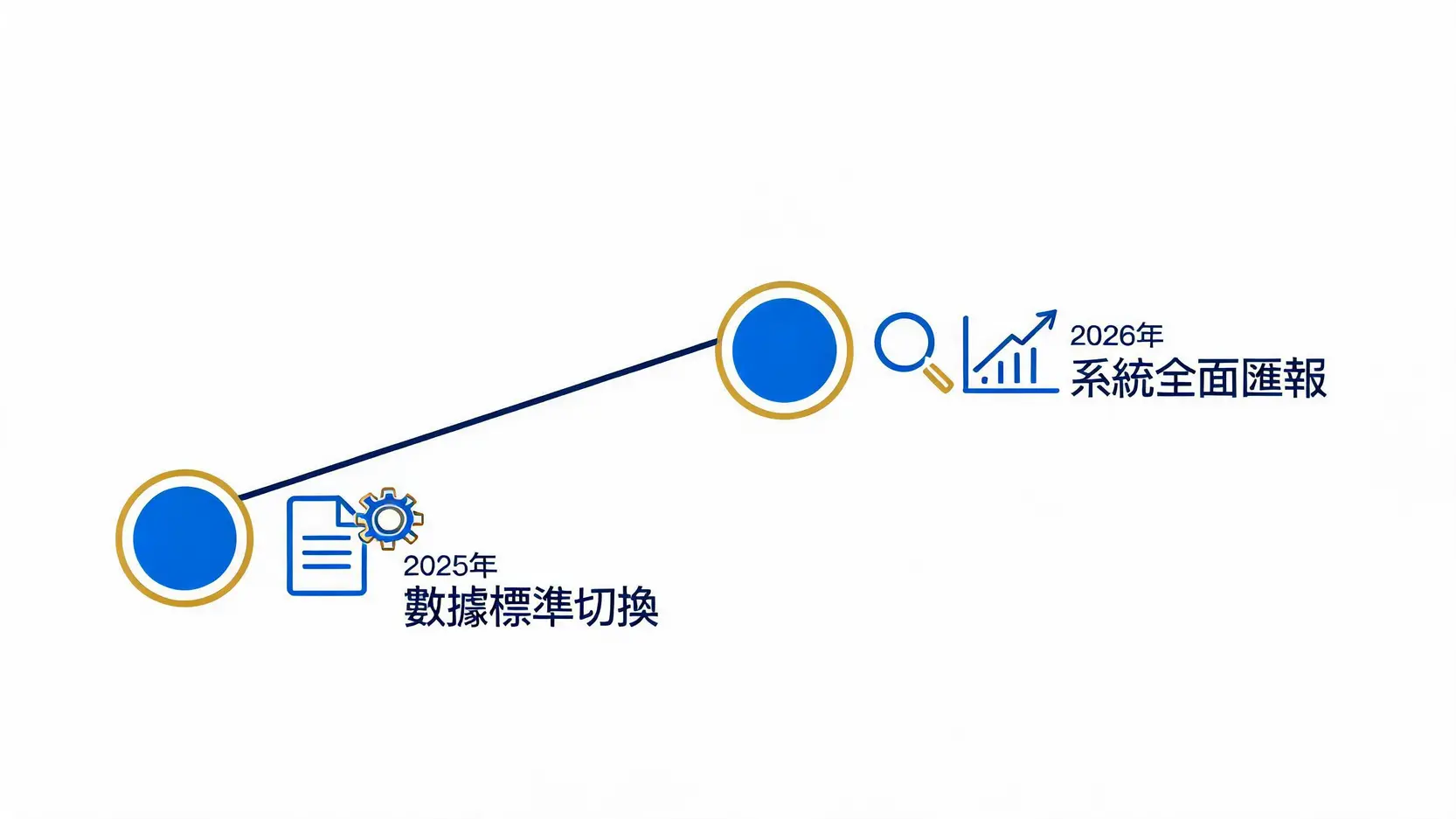
Any major regulatory initiative with broad market implications requires adequate time for adaptation and implementation. According to the SFC circular regarding updates (to OTC derivatives transaction reporting requirements), 2026 represents the most critical phase of this reform process. Following the successful migration to the “ISO 20022” international data transmission standard in September 2025, the Hong Kong Trade Repository (HKTR) introduced further significant enhancements beginning on March 16, 2026. These upgrades not only support the retrieval and integration of historical OTC derivatives transaction data, but also mandate comprehensive reporting of daily mark-to-market valuations and margin movements.
For financial institutions, this means that before the end of the first quarter, internal risk management databases must be fully integrated with regulatory API interfaces and subjected to extensive stress testing. In addition, revisions relating to capital adequacy and liquidity requirements have gradually taken effect throughout 2026. During this critical 2026 transition period for over-the-counter derivatives, licensed corporations must appoint dedicated teams to conduct a comprehensive review of all existing contracts. Institutions must not only ensure that all newly executed transactions comply with the latest reporting requirements, but also reassess and submit supplemental reports for complex structured products carried over from historical portfolios.
Key Timeline for Hong Kong OTC Derivatives Regulatory Reforms
Mandatory Data Reporting: Practical OTC Derivatives Reporting Requirements in Hong Kong
LEI Application and Reporting Requirements
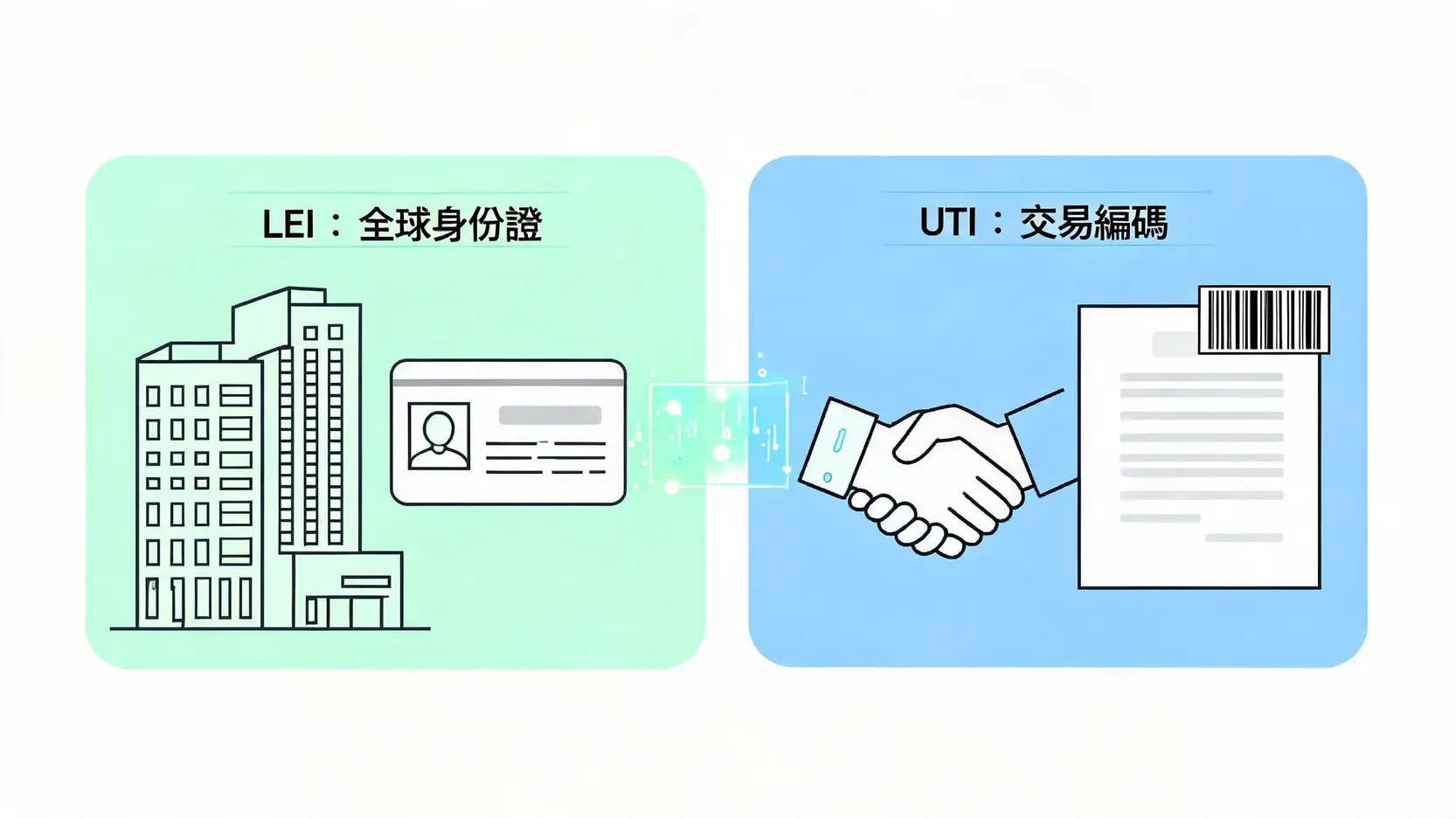
Within today’s digital and globalized regulatory environment, the Legal Entity Identifier (LEI) has acquired unprecedented strategic importance. The LEI is a unique 20-character alphanumeric code that functions as a “global identity card” for financial institutions and corporate entities, enabling precise and unambiguous identification of participants in financial transactions and their ownership structures.
Under Hong Kong’s latest reporting requirements, every party involved in a reportable derivatives transaction (including counterparties, clearing members, and even guarantors) must obtain and maintain a valid LEI. The rigorous implementation of this requirement will help prevent identity confusion in cross-border and cross-market transactions while significantly enhancing regulators’ ability to monitor systemic risk exposures on a global basis. It is important to note that LEIs require annual renewal and fee payments to maintain active status. Failure to obtain an LEI within the required timeframe, or allowing it to lapse, may result in transaction reports being automatically rejected, immediately triggering compliance breaches.
UTI Generation Logic and Integration Requirements
If the LEI addresses the question of “who is trading”, the mandatory adoption of the Unique Transaction Identifier (UTI) addresses the equally important questions of “what is being traded” and “how it can be tracked”. The UTI requirement represents one of the most significant aspects of the new LEI and UTI reporting framework. At the moment an OTC derivatives transaction is executed, it must be assigned a globally unique UTI according to established international standards. This identifier, which may contain up to 52 characters, remains attached to the transaction throughout its entire lifecycle, with all subsequent modifications and reporting activities linked to the same UTI.
These requirements place exceptionally high demands on the consistency and automation capabilities of financial institutions’ front-, middle-, and back-office systems. In practice, counterparties must clearly agree on responsibility for generating the UTI. If internal transaction systems are not fully aligned with international standards, mismatches between counterparties’ reported data can easily arise, creating significant risks of misreporting or reporting omissions and exposing institutions to regulatory scrutiny. For a deeper understanding of derivatives trading mechanisms, readers may refer to the Hong Kong CFD Trading Guide to better understand the operational logic of OTC instruments.

Illustration of LEI and UTI Functions and Connectivity
Further Reading (Highly Recommended)
What Is the IG Grey Market? A Beginner’s Guide to Grey Market Indices and Trading Risks
High-Risk Portfolios and Capital Threshold Calculations for Derivatives Products
Latest Tangible Capital and Liquid Capital Calculation Models
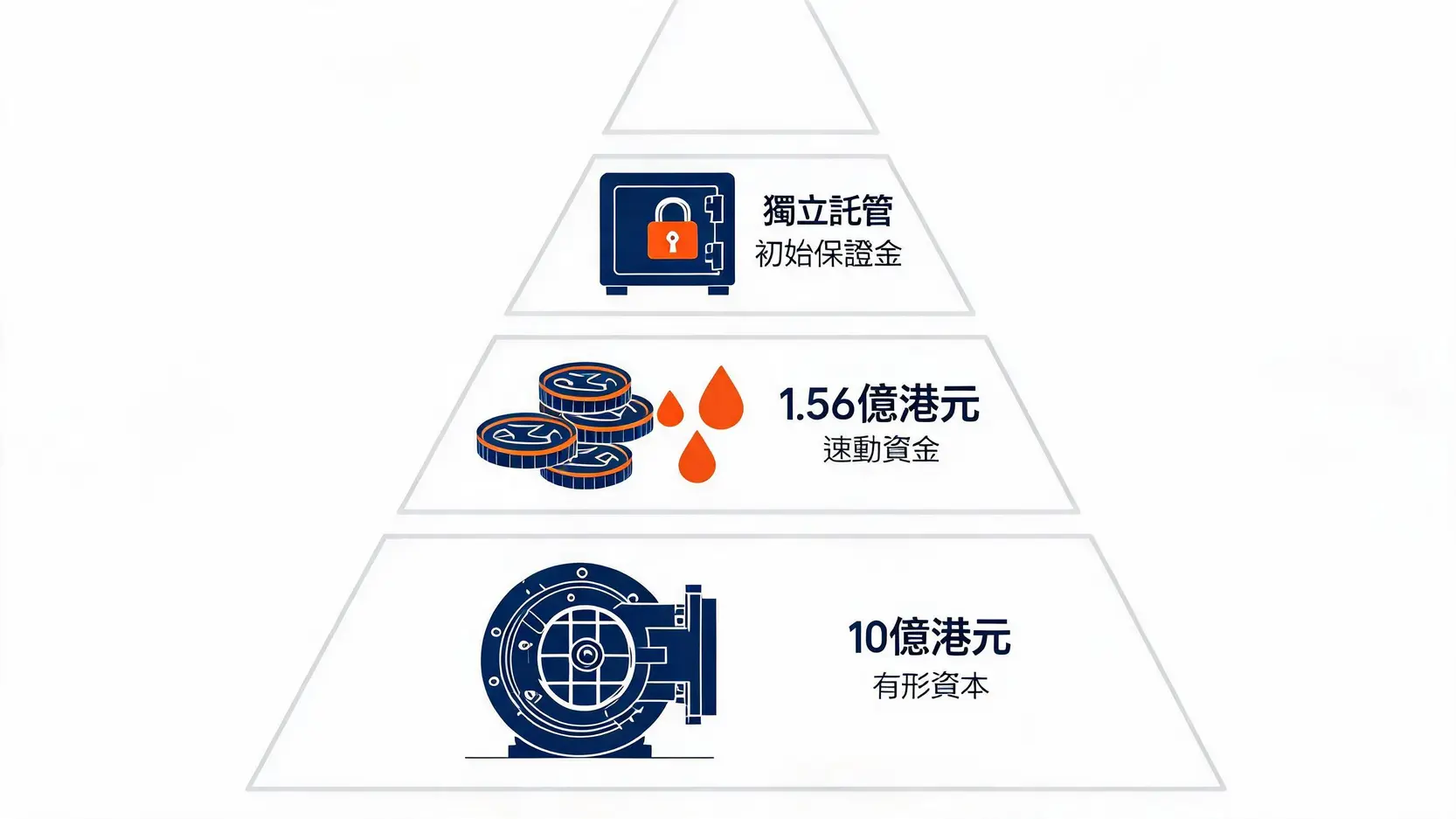
Among all aspects of this regulatory overhaul, perhaps the most impactful and distinctive change is the stringent redesign of capital adequacy requirements for financial institutions. Previous capital calculation models were often overly optimistic and failed to fully capture the substantial liquidity risks that can emerge when OTC markets experience extreme stress and sudden liquidity shortages. Under the new framework, licensed corporations conducting OTC derivatives business above specified thresholds must maintain no less than HKD 1 billion in tangible capital, together with HKD 156 million in liquid capital after rigorous adjustments for market volatility.
This new calculation model requires institutions to apply more conservative and dynamic haircuts when assessing derivatives exposures, while allocating substantial capital buffers against potential future exposure. As a result, financial institutions must reassess and significantly optimize their balance sheet structures to ensure that they maintain sufficient high-quality liquidity to fulfill all counterparty obligations, even under the most severe stress-testing scenarios mandated by regulators, thereby preventing the spread of default risk.

Latest OTC Derivatives Capital Threshold and Margin Framework
Additional Margin Requirements for Non-Centrally Cleared OTC Derivatives
Within the complex OTC marketplace, bilateral contracts that are not cleared through a Central Counterparty (CCP) often carry significant counterparty credit risk. Consequently, the new margin requirements for non-centrally cleared OTC derivatives have become a central pillar of the regulatory reform. Under the latest margin guidelines, counterparties engaging in such higher-risk OTC transactions must not only exchange variation margin daily, as was previously required, but must also post sufficient Initial Margin (IM) at the outset of the transaction.
Initial Margin must be calculated using internationally recognized standardized quantitative models. More importantly, these substantial margin amounts must be held in fully segregated third-party custody accounts to achieve complete bankruptcy remoteness. This transformative requirement significantly increases the funding costs associated with bilateral OTC transactions, encouraging market participants to migrate standardized contracts toward central clearing platforms when selecting investment tools and designing hedging strategies.
Using RegTech to Automate Capital Adequacy Assessment
Given the exponential increase in the complexity of derivatives capital threshold calculations and the frequent margin calls resulting from daily mark-to-market requirements, traditional manual processes are no longer sufficient. Forward-looking financial institutions must embrace digital transformation and actively invest in advanced Regulatory Technology (RegTech) solutions.
Through automated systems, firms can capture cross-asset transaction data in real time and continuously calculate capital adequacy ratios and margin shortfalls with precision. These intelligent platforms incorporate sophisticated risk-trigger mechanisms that can alert management before capital ratios approach regulatory thresholds and can even automatically generate regulatory reports in formats prescribed by the SFC. Institutions that establish efficient compliance data processing capabilities early will not only avoid substantial regulatory penalties but also gain opportunities to optimize capital allocation and expand market share.
Frequently Asked Questions About Hong Kong’s OTC Derivatives Regulatory Reforms
When Do the Hong Kong OTC Derivatives Regulatory Reforms Officially Take Effect?
The requirements are being implemented in phases. The “ISO 20022” system migration has already been completed, while further enhancements relating to historical transaction reporting, valuation reporting, and margin reporting became effective progressively from March 16, 2026. Institutions are advised to closely monitor announcements issued by the SFC and HKMA throughout the transition period.
What Types of OTC Derivatives Are Covered by the New Rules?
The scope is extensive and includes, but is not limited to, interest rate swaps, Non-Deliverable Forwards (NDFs), Credit Default Swaps (CDSs), and various non-standardized equity and commodity derivatives. Most transactions involving Hong Kong legal entities or booked within Hong Kong will fall within the regulatory perimeter.
What Are the Consequences of Failing to Obtain a UTI or LEI Within the Required Timeframe?
The absence of a valid Legal Entity Identifier (LEI) or Unique Transaction Identifier (UTI) will result in transaction reports being rejected by the Hong Kong Trade Repository system. This constitutes a compliance breach and may lead to substantial financial penalties, public reprimands, or even restrictions on conducting new OTC derivatives business.
How Should Institutions Address the Funding Pressures Created by the New Margin Requirements?
To manage the bilateral margin requirements applicable to non-centrally cleared OTC derivatives, institutions should optimize collateral management systems, improve the utilization of high-quality liquid assets (such as government bonds) and consider using RegTech solutions to monitor exposures dynamically. In addition, migrating portions of their business toward centrally cleared standardized contracts may help reduce funding costs.
Conclusion
The comprehensive implementation and continued enhancement of Hong Kong’s OTC derivatives regulatory reforms marks a historic milestone in the market’s pursuit of greater transparency and stronger resilience against systemic risk. From the far-reaching mandatory LEI and UTI reporting framework to the stringent tangible capital and margin requirements specifically designed to mitigate liquidity crises, every aspect of the reform presents a profound test of financial institutions’ operational flexibility and risk management capabilities.
As 2026 represents a pivotal year for compliance implementation and system modernization, institutions must recognize that early adoption of advanced RegTech solutions, comprehensive restructuring of internal data governance frameworks, and proactive adaptation to new capital requirements are not merely defensive measures designed to avoid substantial regulatory fines. Rather, these initiatives form the foundation for optimizing capital efficiency and maintaining long-term competitiveness in an increasingly complex global financial marketplace. Now is the time to review your organization’s transaction workflows and underlying data infrastructure to ensure a smooth transition into this new era of OTC market compliance!
Related Articles
-
In-Depth Review of Intelligent Order Flow Detection Tools: Understanding Institutional Activity and Identifying Real Market Buying and Selling Pressure What Is Order Flow, and Why Is It a “Leading Indicator” for Price Prediction? Candlestick charts and technical indicators can be misleading, but the real-money "Order Flow" within the market cannot....2026 年 6 月 4 日
-
Social Sentiment Quantitative Indicators: Mining PTT and Dcard Discussions to Predict Stock Prices What Are Social Sentiment Quantitative Indicators, and Why Are They Becoming Increasingly Important? In an era of information overload, financial markets are no longer driven solely by cold financial statements and macroeconomic data. The "Shipping King" phenomenon...2026 年 6 月 4 日
-
Avoid Fraudulent Platforms! A Visual Guide to Taiwan FSC Licensed Futures Merchant Verification and Scam Prevention In recent years, driven by heightened volatility in global financial markets and the impact of monetary easing policies worldwide, more investors have begun seeking diversified investment instruments. However, underground futures operators and overseas fraudulent...2026 年 6 月 4 日