What Is CFD? Hong Kong Trading Guide 2026

What Is CFD? 2026 Hong Kong Contract for Difference Trading Guide: Comprehensive Analysis of Five Major Advantages and Disadvantages
In recent years, contracts for difference (CFDs) have become a highly discussed instrument in the Hong Kong investment market, but do you truly understand what a CFD is? Many are attracted by its high leverage and flexibility, yet overlook the significant risks behind it. This article provides a complete CFD trading guide, from the core meaning of contracts for difference to an analysis of their five major advantages and disadvantages, with a specific focus on the CFD trading environment in the Hong Kong market, helping you make the most informed decision before investing.
What Exactly Is CFD? Instantly Understand the Meaning and Operating Principles of Contracts for Difference
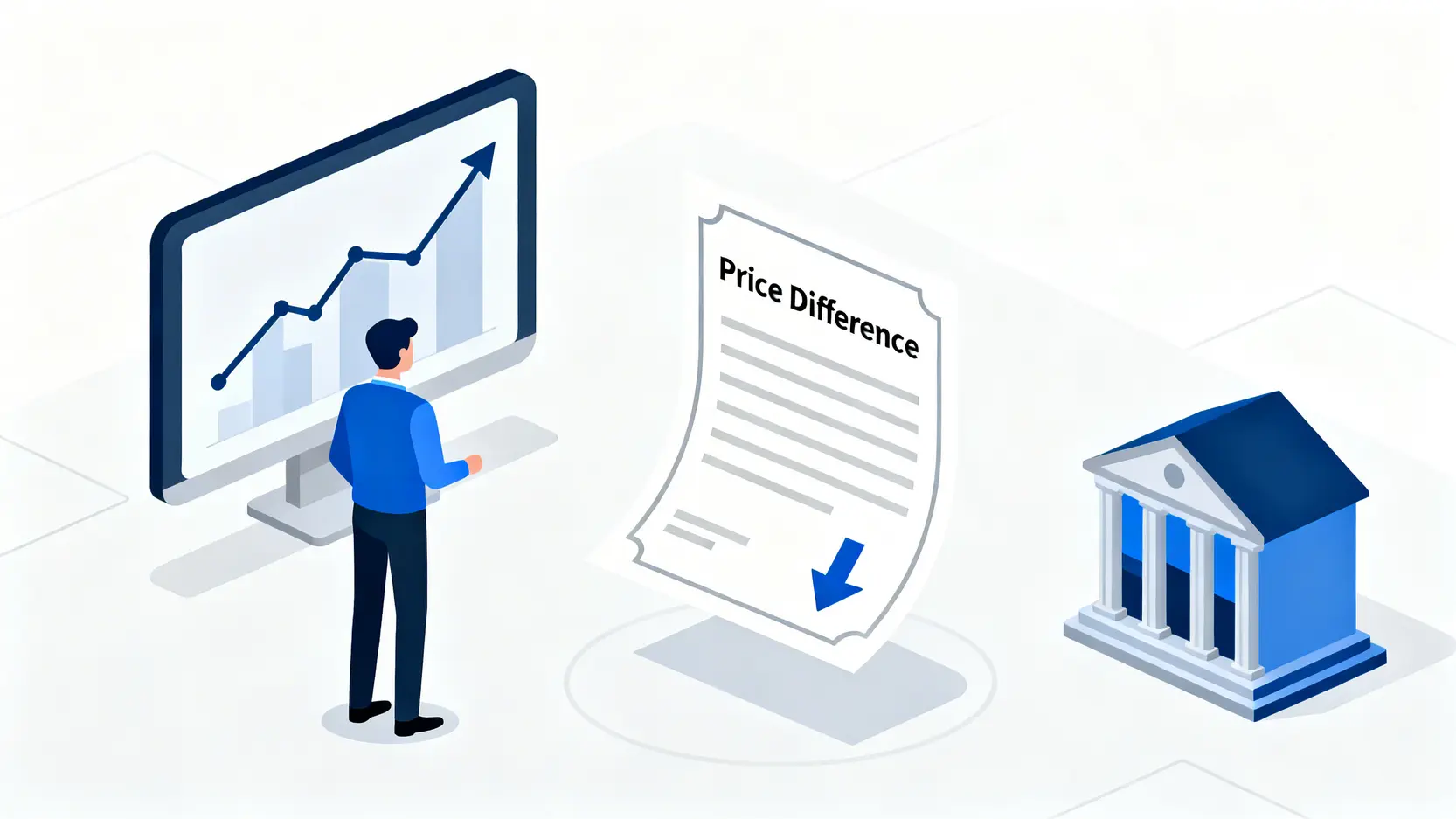
To gain an in-depth understanding of CFD trading, you must first grasp its basic definition and operating model. Unlike buying and selling stocks where you directly own the asset, the core of a CFD lies in trading the “price difference”.
The Complete Definition of CFD (Contract for Difference)
CFD, short for “Contract for Difference”, is a financial derivative that allows traders to speculate on price movements without actually owning the underlying asset (such as stocks, indices, foreign exchange, or commodities). Essentially, it is a contract between the trader and the broker (platform provider), where both parties agree to settle the difference between the opening price and the closing price of the asset when the contract ends.
Core Operating Principle: No Actual Ownership of Assets, Only Trading the Difference Between Opening and Closing Prices
The most critical characteristic of CFD trading is that you never truly “own” the stock or barrel of crude oil throughout the process. You are only trading the right to the price movement. This leads to several important implications:

- No physical delivery: You do not need to store gold, nor will you receive company dividends directly (though dividend adjustments usually apply).
- Potentially lower transaction costs: Since there is no transfer of actual ownership, certain taxes or custody fees that may arise in traditional trading can be avoided.
- The core of leveraged trading: Because you do not need to pay the full value of the asset, platforms can provide high leverage, allowing you to control a larger position with a smaller margin.
CFD Trading Example: How to Profit Through Buying (Going Long) or Selling (Going Short)
The appeal of CFDs lies in the flexibility of two-way trading. Whether the market rises or falls, as long as you predict the direction correctly, there is an opportunity to profit. This is known as going long and going short.
Scenario: Suppose you expect the share price of Tencent Holdings (0700.HK) to rise.
- Opening a position (Long): The current share price of Tencent is HK$300. You decide to buy (go long) 100 shares through a CFD contract. Your position value is 300 * 100 = HK$30,000. Assuming the platform provides 20 times leverage, you only need to deposit 30,000 / 20 = HK$1,500 as margin to open the position.
- Closing the position (Profit): One week later, as expected, Tencent’s share price rises to HK$320. You decide to sell to close the position.
- Profit calculation: (320 – 300) * 100 shares = HK$2,000. Without considering transaction costs (such as spreads and overnight interest), you earned HK$2,000 in profit with HK$1,500 in capital.
Reverse scenario: If you expect Tencent’s share price to decline.
- Opening a position (Short): At a price of HK$300, you choose to sell (go short) 100 shares through a CFD contract.
- Closing the position (Profit): If the share price falls to HK$280, you decide to buy to close the position.
- Profit calculation: (300 – 280) * 100 shares = HK$2,000.
This is the most basic operating mechanism of CFDs, earning the price difference by predicting market direction.
Five Major Advantages of CFDs: Why They Attract Hong Kong Investors
The growing popularity of CFDs in Hong Kong and globally is largely due to their unique trading mechanism, providing flexibility and opportunities that traditional financial instruments cannot match. Below are the five most attractive advantages among the pros and cons of CFD trading.
Advantage One: High Leverage Effect, Small Capital Controls Large Positions
Leverage is one of the core attractions of CFDs. It allows investors to control positions worth tens or even hundreds of times more than their margin. For example, with US$1,000 in capital and 100:1 leverage, you can control assets worth US$100,000. This greatly amplifies potential profits, making it highly appealing to investors with limited capital who wish to participate in larger trades. Gaining a deeper understanding of what leveraged trading is can help you use this tool more effectively.
Advantage Two: Two-Way Trading, Opportunities Even in Bear Markets
Traditional stock investing generally relies on buying and waiting for prices to rise. During bear markets or price declines, investors often have limited options. CFD trading changes this completely. If you analyze that the market will decline, you can choose to “go short”. When prices fall, you can “buy” to close the position and profit from the difference. This flexibility of two-way trading allows investors to seek opportunities in any market condition.
Advantage Three: Diverse Product Range, One Account for Global Markets
A comprehensive CFD trading platform serves as a gateway to global financial markets. Within a single account, you can trade diversified products from around the world, including:
- Stock indices: Such as Hong Kong’s Hang Seng Index (HSI), US S&P 500 (SPX500), and Nasdaq 100 (NAS100).
- Foreign exchange pairs: Such as EUR/USD, USD/JPY, and other major and cross currency pairs.
- Stocks: Such as Tencent, Alibaba, Apple, and Tesla in both Hong Kong and US markets.
- Commodities: Such as gold (XAU/USD), crude oil (WTI/Brent), and natural gas.
This convenience significantly reduces the complexity and cost of cross-market investing.
Advantage Four: Flexible Trading Hours, Connected to Global Markets
Since CFDs cover global markets, trading hours are generally longer than traditional stock exchanges. For example, the foreign exchange market operates 24 hours a day (excluding weekends) and US stock CFDs trade during Hong Kong evening hours. This provides great convenience for Hong Kong investors who need to balance full-time employment without being restricted to daytime market hours.
Advantage Five: Potentially Lower Entry Barriers and Costs
Compared with directly purchasing physical stocks (which may require full payment and stamp duty) or participating in futures markets (with large contract values), CFDs typically have lower entry barriers. You do not need substantial capital to begin trading, and many CFD brokers do not charge commissions. Trading costs are mainly reflected in the “spread” between bid and ask prices. Of course, this depends on the fee structure of each platform.

Further Reading (Strongly Recommended)
Must Be Vigilant! The Five Major Disadvantages and Potential Risks of CFDs
While being attracted by the advantages of CFDs, you must remain fully aware of the risks behind them. Ignoring the negative aspects among the pros and cons of CFDs may lead to severe capital losses. The following five disadvantages are warning signs that every trader must keep firmly in mind before committing funds.
Disadvantage One: High Leverage Is a Double-Edged Sword, Losses Are Magnified Simultaneously
This is the most critical risk of CFDs. While leverage amplifies potential profits, it also magnifies potential losses by the same multiple. In a highly leveraged position, even a small adverse market movement may result in losses far exceeding your initial margin. Without proper use of a stop loss, a single mistaken trade can be sufficient to wipe out your account.
Disadvantage Two: Overnight Financing Costs
If you hold a CFD position beyond one trading day, that is “overnight”, the platform will usually charge or pay a fee known as “overnight financing” or “swap fee”. This cost arises from borrowing funds from the broker through leverage. For traders holding long-term positions, this fee accumulates over time, eroding profits and potentially turning a profitable trade into a loss.
Disadvantage Three: Market Volatility and Forced Liquidation Risk
When the market fluctuates sharply and your account equity falls below the minimum margin level required by the platform, a “margin call” will be triggered. This means the platform, in order to protect itself from losses, will automatically close one or more of your positions. This often occurs at the most unfavorable price levels, leaving you no opportunity to wait for a market rebound and locking in substantial losses.
Disadvantage Four: Counterparty Risk and Platform Selection Risk
CFD trading is conducted over the counter (OTC), and your counterparty is your broker rather than a centralized exchange. This makes the platform’s reliability, reputation, and financial stability crucial. If you choose an unregulated or disreputable platform, you may face risks such as price delays, severe slippage, or even inability to withdraw funds. Therefore, selecting a platform regulated by top-tier financial authorities is the only way to mitigate this risk.
Disadvantage Five: Regulatory Complexity and Compliance Issues
Regulatory policies on CFDs vary significantly across jurisdictions. For example, the US prohibits offering CFD trading to retail clients. As an investor, you must ensure that the platform you choose operates in compliance within your jurisdiction. The Hong Kong Securities and Futures Commission (SFC) has strict guidelines on derivatives trading, and investors should prioritize institutions licensed by the SFC or recognized by equally stringent international regulators (such as the UK FCA or Australia’s ASIC). The SFC has also issued warnings regarding the risks of derivatives trading, reminding investors to be aware of associated risks.
Designed for Hong Kong Investors: Practical Guide to CFD Trading in the Hong Kong Market
After understanding the principles, advantages, and disadvantages of CFDs, the following section focuses on the local Hong Kong market, providing practical advice and precautions to ensure safer and more strategic CFD trading.
Is CFD Trading Legal in Hong Kong? Understanding the Role of the SFC
In Hong Kong, it is legal to conduct CFD trading through properly licensed financial institutions. The financial market in Hong Kong is primarily regulated by the Securities and Futures Commission (SFC). The SFC’s main responsibility is to protect investors’ interests and ensure a fair, efficient, and transparent market. Any company operating in Hong Kong or providing leveraged trading services such as CFDs to Hong Kong residents must obtain the appropriate license issued by the SFC (for example Type 3 license for “leveraged foreign exchange trading”). Therefore, the first step in assessing whether a platform is reliable is to verify whether it holds an SFC license or is recognized by an equivalent international regulatory authority.
Popular CFD Trading Products Among Hong Kong Investors?
Based on geographical advantage and market familiarity, Hong Kong investors often prefer the following categories of CFD products:
- Hang Seng Index (HSI): As the benchmark of the Hong Kong stock market, HSI CFDs are among the most actively traded products locally, used either to hedge Hong Kong stock holdings or to speculate on market direction.
- China concept stocks and technology stocks: Such as Tencent Holdings (0700), Alibaba (9988), and Meituan (3690). Due to their relatively high volatility, they provide abundant short-term trading opportunities.
- US stock indices: CFDs on the Nasdaq 100 Index (NAS100) and the S&P 500 Index (SPX500) allow Hong Kong investors to conveniently participate in US market movements.
- Gold (XAU/USD): As a traditional safe-haven asset, gold CFDs typically experience a significant increase in trading volume during periods of market uncertainty.
How to Choose a Safe and Reliable CFD Trading Platform in Hong Kong? Three Key Indicators
Selecting a good trading platform is the foundation of successful trading. Among numerous options, the following three core indicators can be used for evaluation, serving as a practical guide on how to choose a forex broker:
- Regulatory credentials and fund security: This is the most important factor. Prioritize platforms licensed by top-tier regulators such as the Hong Kong SFC, UK FCA, or Australia ASIC. These regulators require client funds to be segregated from company operating funds, providing an essential layer of protection.
- Trading costs and transparency: Compare spreads, overnight financing fees, and commissions across different platforms. A reputable platform should offer competitive and transparent fee structures without hidden charges. Also consider whether deposit and withdrawal policies are convenient and reasonably priced.
- Platform stability and customer service: Trade execution speed and server stability are crucial, especially during volatile market conditions. A platform that frequently disconnects or experiences delays is unacceptable. In addition, professional and responsive localized customer service (such as Chinese-language support), is a significant advantage.

Conclusion
In summary, contracts for difference (CFDs) are powerful and flexible financial instruments that enable Hong Kong investors to participate in global markets with relatively low entry barriers and capture both long and short trading opportunities. However, their core advantages and disadvantages both stem from the double-edged sword of “high leverage”. While enjoying the potential efficiency brought by leverage, one must never overlook the equally amplified risks. Before engaging in CFD trading, ensure that you thoroughly understand its operating mechanism, transaction costs, and potential risks, and take time to choose a trading platform strictly regulated by top-tier authorities such as the SFC. Only through adequate preparation and risk management can you fully utilize the advantages of CFDs while avoiding unnecessary pitfalls.
Frequently Asked Questions About CFD Trading (FAQ)
Q: What Is the Difference Between CFDs, Futures, and Stocks?
A: The primary differences lie in ownership, contract standardization, and trading venue. Stock trading represents actual ownership of a portion of the company. Futures are standardized contracts traded on an exchange, with fixed expiration dates and contract sizes. On the other hand, CFDs are non-standardized contracts traded over the counter with a broker, have no expiration date (except for index futures CFDs), and do not involve actual ownership of the underlying asset.
Q: Are Profits From Trading CFDs in Hong Kong Subject to Tax?
A: Under the Hong Kong Inland Revenue Ordinance, profits arising in or derived from Hong Kong from a trade, profession, or business are subject to profits tax. However, for individual investors, capital gains from the buying and selling of financial instruments such as securities and CFDs are generally not regarded as business income and therefore are typically not subject to profits tax. If your trading is frequent and substantial in scale and is determined by the Inland Revenue Department as “trading as a business”, you may be required to report and pay tax. It is advisable to consult a professional tax advisor for specific circumstances.
Q: Are CFDs Suitable for Investment Beginners?
A: For beginners with absolutely no investment experience, engaging directly in live CFD trading carries very high risk. Due to the involvement of high leverage, beginners can easily incur rapid losses as a result of insufficient risk management knowledge. It is recommended that beginners start by learning the fundamentals and make full use of the broker’s “demo account” (Demo Account) for thorough practice. Only after becoming fully familiar with the trading platform operations and market volatility should they begin trading with a small amount of capital.
Q: Do CFD Contracts Expire?
A: This depends on the underlying asset being traded. Most CFDs, such as forex, spot gold, and stock CFDs, do not have a fixed expiration date. You may open or close positions at any time based on your own judgment, but overnight financing charges will apply. However, certain CFDs based on futures contracts, such as index futures CFDs or crude oil futures CFDs, do have expiration dates and rollover mechanisms, and the contract specifications should be carefully reviewed.
Q: How Much Capital Is Required to Trade CFDs?
A: The entry threshold for CFDs is relatively low, which is one of their attractive features. Many international brokers may have minimum deposit requirements ranging from 100 to 200 US dollars, or even lower. However, excessively low starting capital has very limited ability to withstand market volatility under high leverage and is prone to forced liquidation. Therefore, the capital invested should be idle funds that you can afford to lose, and initial position sizes should be kept very small.
Related Articles
-
Practical Applications of Volatility Surfaces: From Options Modeling to Advanced Skew Trading Strategies In options markets, implied volatility is never a flat line. Instead, it forms complex "smile" or "skew" surfaces. For advanced traders, mastering the practical applications of volatility surfaces is equivalent to possessing a lens that reveals market...2026 年 6 月 3 日
-
Building a Foreign Capital Flow Copy Trading Model: A Stock Market Indicator for Accurately Tracking Institutional Positioning In Asia-Pacific stock markets, foreign capital inflows and outflows often determine the direction of the index. However, simply looking at daily net buy and sell data is no longer enough. Only by building...2026 年 6 月 3 日
-
Options Buyer Strategies During Extreme Market Conditions: Black Swan Hedging and Cross-Market Arbitrage During Volatility Surges The most terrifying aspect of financial markets is not a gradual decline, but overnight flash crashes and cross-market capital withdrawals accompanied by volatility surges. In the highly unpredictable global macroeconomic environment of 2026, geopolitical...2026 年 6 月 3 日