Stocks vs Funds vs Bonds: Return Comparison Guide

Updated: 2026/03/31  |  CashbackIsland

high-return-investment-comparison

High-Return Investment Tools Comparison: How to Choose Between Stocks, Funds, and Bonds? A Complete Guide to Understanding Profit and Return Relationships

Faced with a wide array of investment options, do you often feel overwhelmed by different return rates and struggle to make effective comparisons between investment products? Many investors focus solely on high-return investment tools while overlooking the fundamental relationship between profit and return, leading to misguided decisions and unnecessary risks. This article provides a clear and in-depth analysis of the true sources of returns from major investment tools such as stocks, funds, and bonds. It teaches you how to see beyond surface-level numbers and build a balanced portfolio with both stability and growth potential based on the fundamentals of corporate profitability. 


Investment Fundamentals: Understanding the Core Relationship Between Profit and Return

Before comparing different investment tools, it is essential to build a strong foundation. Understanding how profits translate into returns is the first step toward making informed investment decisions. This helps you determine whether a “high return” opportunity reflects genuine value growth or merely short-term market speculation.


What Is Return on Investment (ROI)? How to Calculate Your Real Return?

Return on Investment (ROI) is the most direct metric for measuring investment performance. It shows how much return each dollar you invest generates. The formula is straightforward:

ROI = (Final Investment Value – Initial Investment Cost) / Initial Investment Cost × 100%

For example, suppose you invest 10,000 yuan in Company A’s stock, sell it one year later for 12,000, and receive 500 yuan in dividends during the period. Your total return would be:

  • Capital Gain: 12,000 – 10,000 = 2,000 yuan
  • Dividend Income: 500 yuan
  • Total Return: 2,000 + 500 = 2,500 yuan

Your ROI would be: (2,500 / 10,000) × 100% = 25% This clearly shows the profitability of your investment. 


How Corporate Profit Translates Into Your Investment Return? Breaking Down Dividends and Capital Gains

Investment returns do not come out of thin air. They are fundamentally driven by the growth in value of the assets you invest in. For stocks in particular, returns mainly come from two sources:

  1. Dividends: When a company generates profits, its board may decide to distribute part of those earnings to shareholders in the form of cash dividends. Stable dividend payouts usually indicate strong operations and healthy cash flow, making them attractive to value investors.
  2. Capital Gains: This refers to the increase in the price of the asset you hold, such as a rising stock price. The driving force behind this is often market expectations of future earnings growth. When a company launches new products, expands market share, or improves profitability, investors are willing to pay higher prices, pushing the stock upward and generating capital gains.

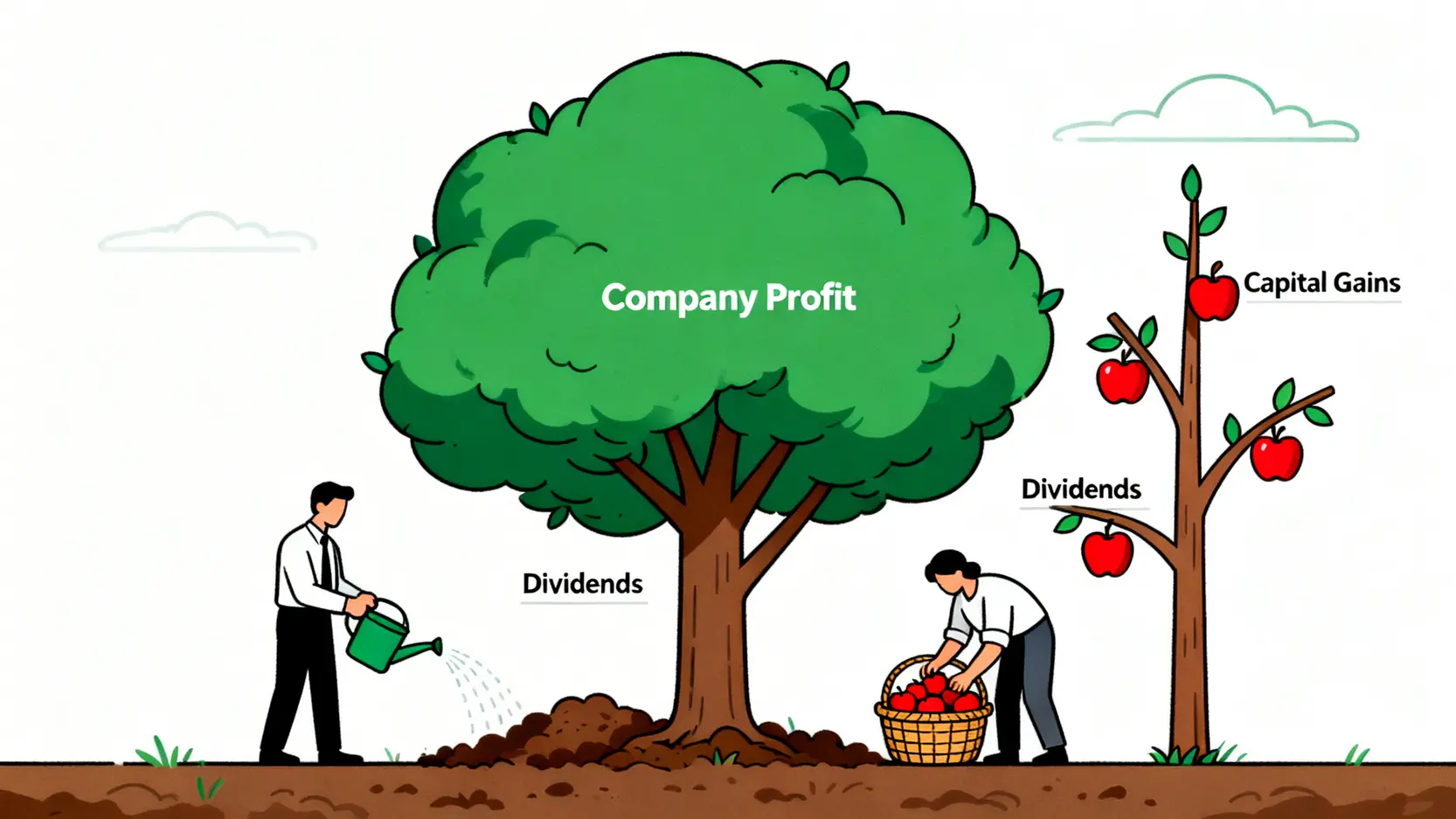
In simple terms, dividends represent sharing “current” profits, while capital gains reflect expectations of “future” profits. Understanding this helps you better evaluate the quality and sustainability of returns when comparing investment products.

一張概念圖,展示了企業盈利如何通過股息(現有果實)和資本增值(向上生長的樹枝)轉化為投資回報。

Dividends are like harvesting fruit, while capital gains are about expecting the tree to grow taller.


Further Reading (Highly Recommended)

How to Buy Apple Stock? A Beginner’s 5-Step Guide: From Currency Exchange to Placing AAPL Orders

What Is the S&P 500? A Beginner’s Investment Guide: Understanding Components, ETFs, and How to Invest


Comprehensive Comparison of Popular High-Return Investment Tools

After understanding the sources of returns, let us examine several of the most popular high-return investment tools in the market and compare their respective risk and return characteristics, so you can conduct a comprehensive comparison of investment products.


Stocks: High Growth Potential with High Risk

Investing in stocks means becoming a shareholder of a company and sharing in its growth.

  • Sources of return: Mainly dividends and capital gains.
  • Advantages: High potential returns, especially when investing in growth companies, which may deliver multiple returns over several years. High liquidity, as stocks listed on major exchanges can be traded at any time.
  • Disadvantages: High price volatility, where a single company’s stock price may drop sharply due to market sentiment, industry competition, or poor management. Requires significant time to study company fundamentals.
  • Suitable for: Investors willing to take higher risks, interested in stock research, and with a longer investment horizon. Beginners can start with stock investment education to gradually build their knowledge.


Exchange-Traded Funds (ETFs): The Preferred Choice for Diversified Investing

ETFs function like a “ready-made investment portfolio”, bundling dozens or even hundreds of different stocks or bonds, allowing you to achieve diversification with a single investment.

  • Sources of return: tracks the overall performance of a basket of assets, with returns coming from average capital gains and dividends.
  • Advantages: excellent diversification, effectively reducing the risk of a single stock collapse. Management fees are usually much lower than traditional mutual funds. Trading is as convenient as stocks.
  • Disadvantages: diversification also dilutes the potential for extremely high returns, making explosive growth less likely compared to individual stocks.
  • Suitable for: almost all investors, especially beginners seeking low-cost and accessible entry into the market. For more details, refer to ETF investment guides.


Bonds: The Foundation for Stable Cash Flow

Buying bonds is equivalent to lending money to governments or corporations, which promise to pay interest periodically and return the principal at maturity.

  • Sources of return: Mainly fixed coupon payments. If sold in the secondary market before maturity, there may also be capital gains or losses.
  • Advantages: Stable and predictable returns, with lower risk than stocks, especially for high-credit government bonds. Often serves as a safe haven during market volatility.
  • Disadvantages: Expected returns are generally lower than stocks. Subject to interest rate risk, where rising market interest rates can cause bond prices to fall.
  • Suitable for: Investors with lower risk tolerance who seek stable income, such as retirees or those aiming to balance portfolio risk.


Mutual Funds: Diversified Strategies Managed by Professionals

Mutual funds pool capital from many investors and are managed by professional fund managers.

  • Sources of return: Combined returns generated by investments in a basket of stocks, bonds, or other assets.
  • Advantages: Professional investment decisions and risk management, saving you time on research. Also provides diversification benefits.
  • Disadvantages: Management fees and sales charges are usually higher, which can reduce investment returns. Fund managers may not always outperform the market average.
  • Suitable for: Investors willing to pay additional fees for professional management and who lack the time or expertise to conduct their own research.

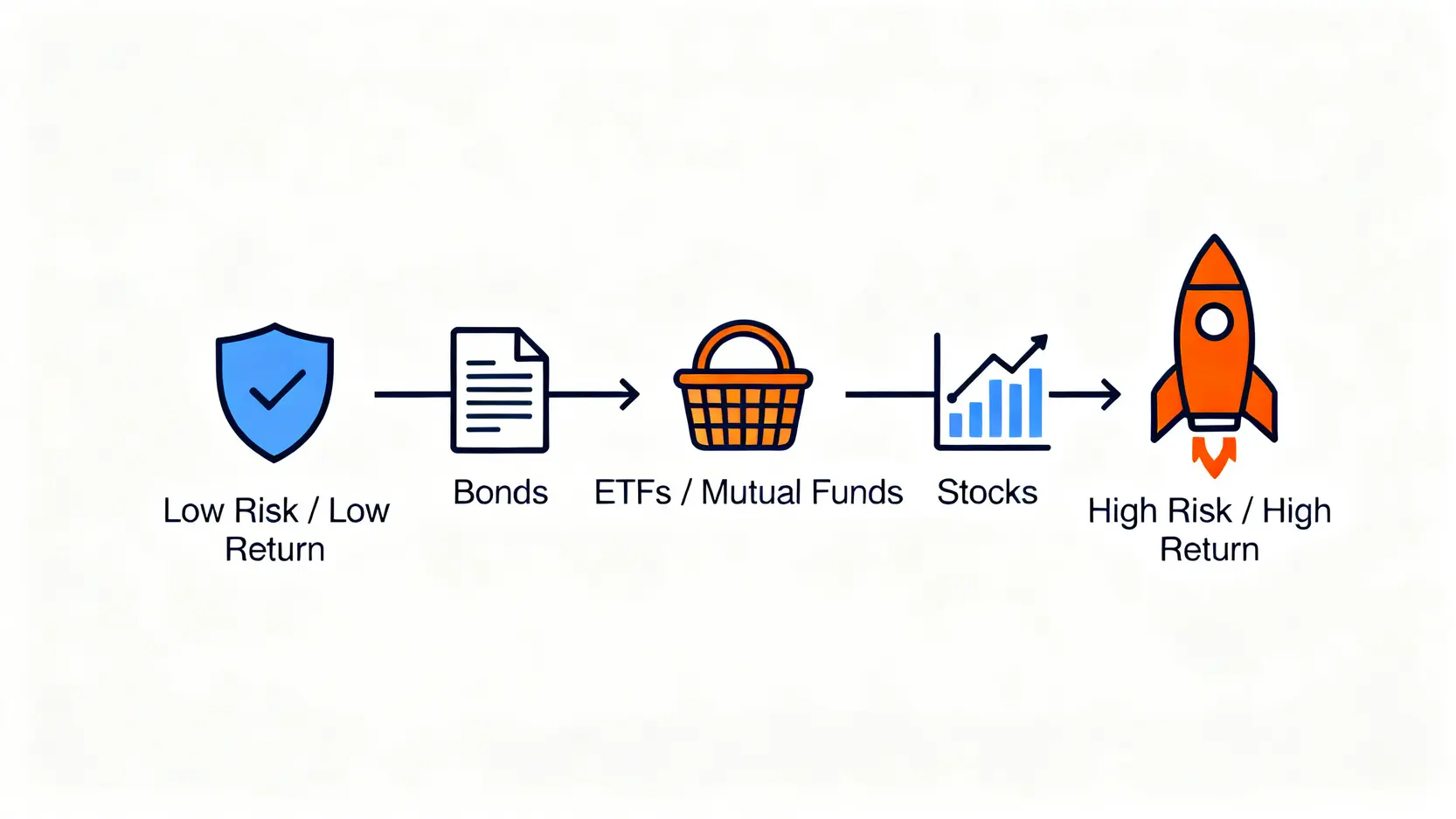
一張風險回報光譜圖,從左到右依次展示了債券(低風險)、ETF/互惠基金(中等風險)和股票(高風險)的相對位置。

Positioning of Different Investment Tools on the Risk-Return Spectrum


Comparison Table: Overview of Risk, Expected Return, and Liquidity Across Major Investment Products

Investment Instruments Risk Level Expected Return Liquidity

Suitable Investors

Stocks High High High Investors with high risk tolerance
ETFs Medium to High Medium to High High All investors, especially beginners
Bonds Low to Medium Low to Medium Medium Conservative investors and retirees
Mutual Funds Medium to High Medium to High Medium Investors willing to pay for professional management


How to Choose the Most Suitable High-Return Investment Product?

After conducting a comprehensive comparison of investment product returns, you will find that there is no absolute “best”, only what is “most suitable”. The key lies in matching the characteristics of investment tools with your own situation. You can follow these three steps to find the most suitable high-return investment path for yourself.

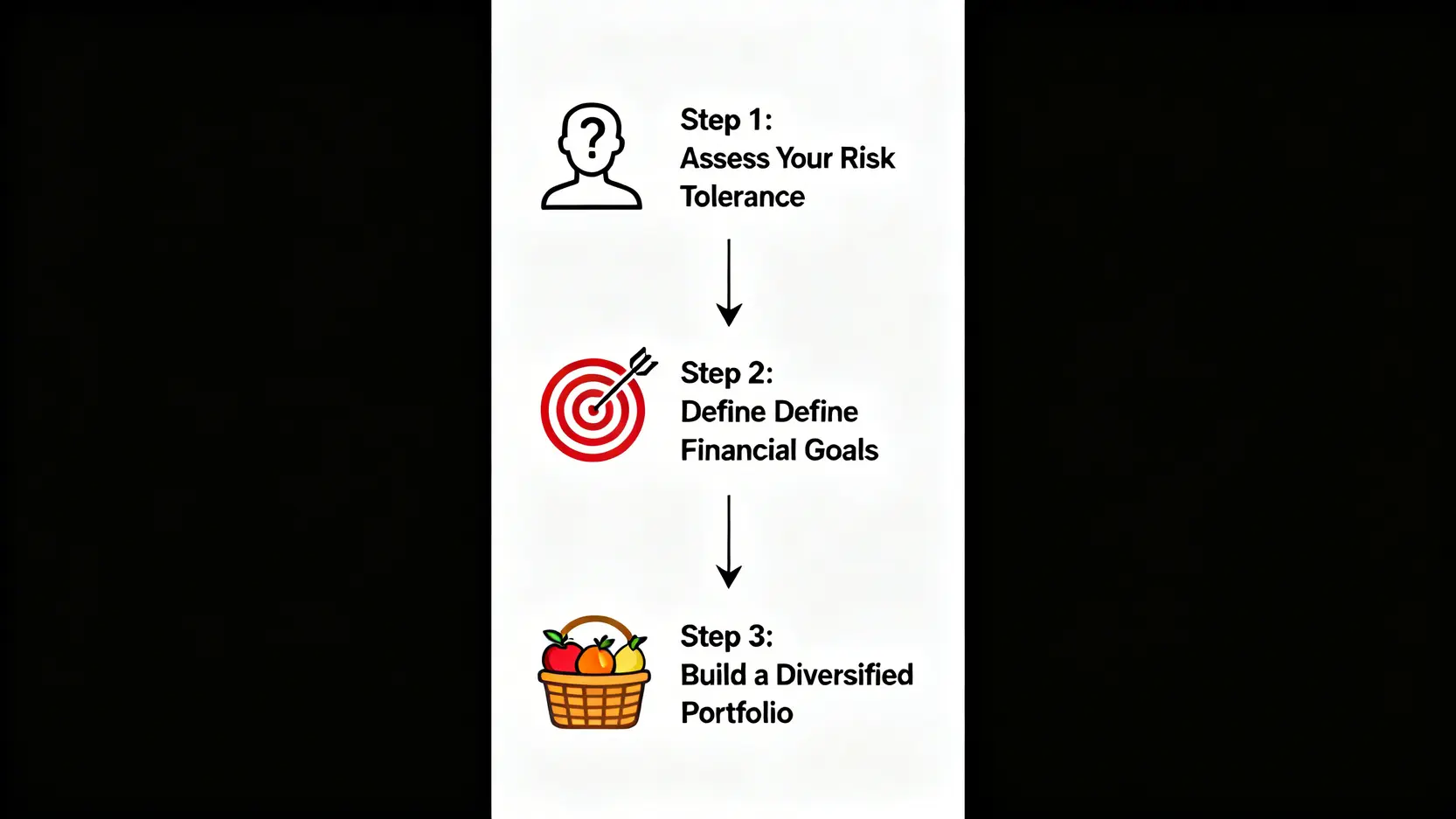
一張流程圖,展示了選擇投資產品的三個步驟:評估風險、制定目標、建立多元化投資組合。

Your Three-Step Investment Decision Framework.


Step 1: Assess Your Risk Tolerance and Investment Horizon

Your risk tolerance is the core factor in determining asset allocation. Ask yourself: if your portfolio drops 20% within a year, would you feel anxious? Your answer will determine how much you should allocate to high-volatility assets such as stocks. At the same time, your investment horizon is equally important. If you are preparing for retirement 20 years later, you have sufficient time to withstand market fluctuations and can allocate a higher proportion to growth assets. Conversely, if your funds are needed in the short term, you should prioritize more stable assets such as bonds or cash.


Step 2: Define Clear Financial Goals (e.g., Retirement, Home Purchase)

What is the purpose of your investment? Is it to accumulate retirement savings, fund your children’s education, or prepare a down payment for a home in a few years? Different goals correspond to different return expectations and timeframes. For long-term goals like “retirement”, you may choose stock-based ETFs with higher growth potential. For medium-term goals like “home purchase”, you may need a more balanced portfolio that includes bonds to reduce volatility and ensure funds are available when needed.


Step 3: Build a Diversified Portfolio to Balance Risk and Return

“Do not put all your eggs in one basket” is a timeless principle in investing. A prudent investor will not allocate all capital to a single stock or asset class. By holding different asset types (stocks, bonds), different regions (domestic, international), and different sectors (technology, finance, healthcare), you can effectively diversify risk. When one market underperforms, gains from others can provide a buffer, helping your portfolio remain stable and grow over time.


Frequently Asked Questions (FAQ)

Q: Where should beginners start when investing?

A: For most beginners, ETFs that track major indices (such as those following the S&P 500) are an excellent starting point. They allow you to invest in hundreds of high-quality companies at a very low cost, achieving instant diversification while avoiding the difficulty and risk of stock selection. This makes them ideal for “passive investing” and building a solid foundation.

Q: Does higher return always mean higher risk?

A: Yes. This is known as the “risk-return trade-off”. Generally, assets with higher potential returns also come with greater price volatility (risk). There is no such thing as a risk-free high return. Any investment claiming “guaranteed high returns with zero risk” is very likely a scam and should be approached with extreme caution.

Q: What is the difference between fixed deposits and bond investments?

A: Although both involve earning interest, they are fundamentally different. A fixed deposit means lending money to a “bank”, typically protected by deposit insurance, making it very low risk. Bond investments involve lending money to “governments or corporations”, which carry credit risk (default risk) and interest rate risk (price fluctuations due to rate changes). Therefore, bonds generally have higher risk and potential return compared to fixed deposits.

Q: What are the common costs involved in investing?

A: Common investment costs include transaction fees (paid to brokers when buying or selling stocks or ETFs), management fees (charged annually by ETFs or mutual funds based on assets), and subscription/redemption fees (charged by some mutual funds when buying or selling). These costs directly affect your final returns, so they must be considered when choosing investment tools and platforms.


Conclusion

In summary, successfully achieving your investment goals depends on making effective comparisons of investment product returns and deeply understanding the relationship between profit and return. There is no one-size-fits-all best high-return investment tool in the market, only strategy combinations that best match your personal financial situation, risk tolerance, and financial goals. Through the analysis in this article, it is hoped that you can grasp the core methods for evaluating different investment tools and take the first step toward smarter investing. Start planning your investment blueprint today and harness the power of compounding to steadily grow your wealth.

If you liked this article, please share it!

Related Articles

  • How to Buy Bitcoin in 2026: A Beginner’s Guide
    How to Get Started with Bitcoin? The Complete 2026 Bitcoin Buying Guide for Beginners After watching Bitcoin repeatedly reach new highs in recent years and successfully pass spot ETF reviews in the US and Hong Kong in 2024, officially entering mainstream financial markets, many investors have turned their attention to...
    2026 年 7 月 20 日
  • Gold V-Shaped Rebound: Bottom Signal or Bull Trap?
    Is Gold’s V-Shaped Rebound a Bottom-Fishing Signal? A Complete Guide to Trading Strategies Amid “$100 Price Swings” What Is a Gold V-Shaped Rebound? More Than Just a Technical Pattern The gold market has recently experienced sharp rises and falls, with prices frequently displaying dramatic “gold V-shaped rebounds”. Single-day “$100 price...
    2026 年 7 月 20 日
  • 2026 PPI Guide: PPI vs CPI and Stock Market Impact
    What Is PPI Data? 2026 Latest Analysis: Understand the Differences from CPI and How It Affects Stock Market Trends With market information constantly changing, do you always hold your breath while waiting for CPI data to be released? But did you know that a more forward-looking inflation indicator, PPI data...
    2026 年 7 月 20 日
返回顶部