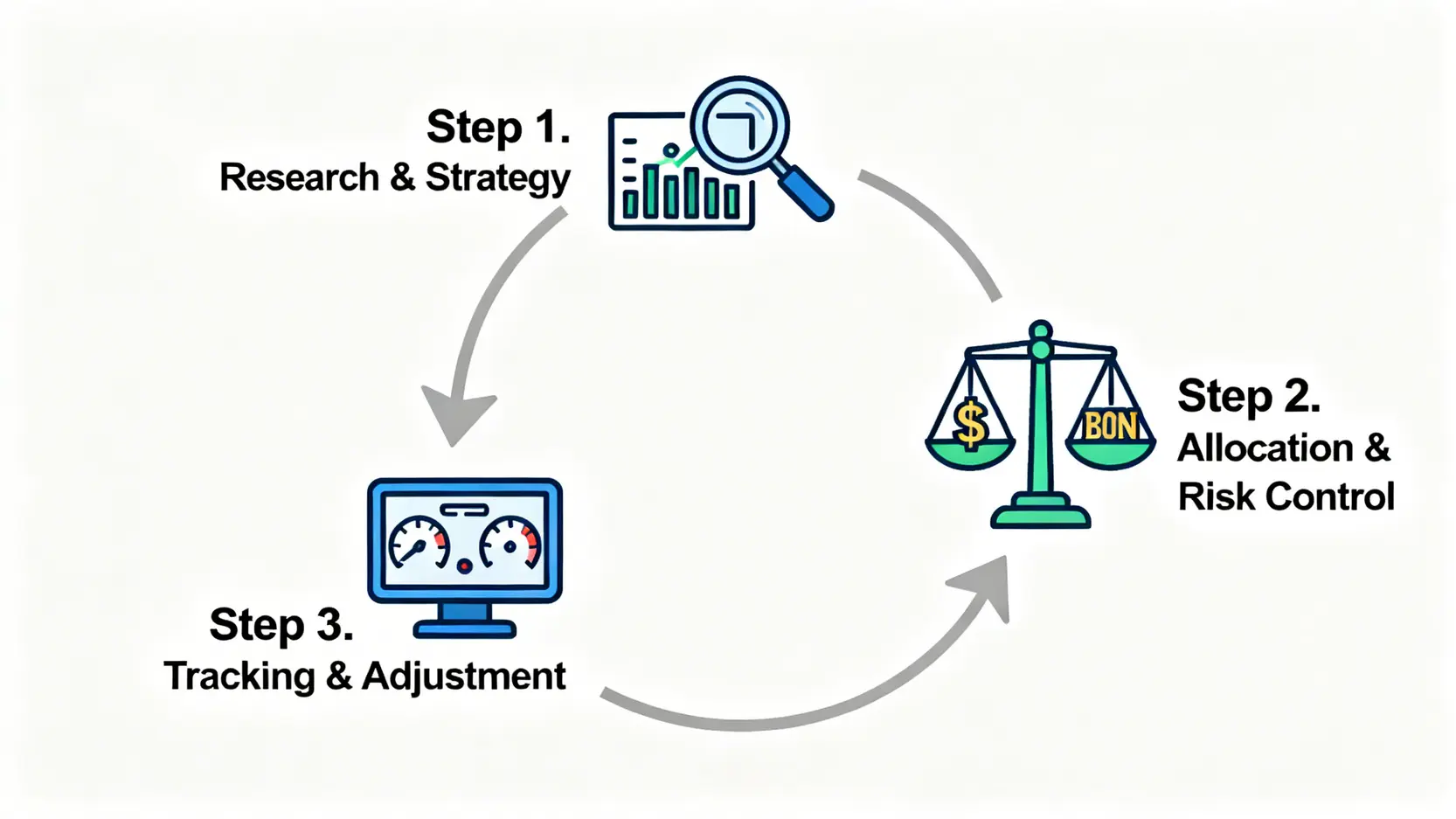
Figure 2: The Dynamic Cycle of a Fund Manager’s Three Core Responsibilities
Core Responsibility 1: Market Research and Investment Strategy Formulation
This is the most basic and most essential part of a fund manager’s job. Every day, they need to spend a great deal of time absorbing information, conducting research, and turning it into executable investment strategies.
- Macroeconomic Analysis: Monitors global macroeconomic data, such as GDP growth, inflation data (CPI), interest rate policy, and monetary easing trends, to determine the overall direction of the market.
- Industry Research: Conducts in-depth analysis of the development outlook, competitive landscape, technological changes, and policy impact across different industries to identify “golden tracks” with long-term growth potential.
- Stock Picking: Through reading company financial reports, attending investor presentations, visiting company management, and even conducting on-site supply chain inspections, they carry out a comprehensive evaluation of an individual company’s operating condition, financial health, and future profitability.
Core Responsibility 2: Asset Allocation and Risk Control
“Do not put all your eggs in one basket” is a basic principle of investing, and a fund manager is the expert responsible for scientifically allocating those eggs for you. This involves asset allocation and risk management.
- Building a Portfolio: Based on research findings, decides the allocation ratios among different asset classes such as stocks, bonds, cash, and commodities. For example, when economic prospects look favorable, stock exposure may be increased. When a market pullback is expected, bond or cash holdings may be raised.
- Diversification: Within a single asset class, investments are further diversified across different regions, industries, and company sizes to avoid a single event (such as a corporate scandal) having an excessive impact on the fund.
- Setting Stop-Loss Levels: Sets clear stop-loss mechanisms for each investment. Once the market moves against expectations, positions can be sold decisively to control the extent of losses.
Core Responsibility 3: Ongoing Performance Tracking and Portfolio Adjustment
Investment decisions are not a one-time effort. The market changes rapidly, and fund managers must remain alert at all times and dynamically adjust the portfolio.
- Daily Monitoring: Tracks the latest developments of portfolio companies, stock price performance, and market news to assess whether adjustments are needed.
- Regular Reviews: Conducts a full check-up of the entire portfolio every quarter or every half year, reviewing whether performance meets expectations and comparing it with peer funds and the broader market.
- Dynamic Rebalancing: When some assets rise sharply and become overweight in the portfolio, the manager may partially take profits and reallocate capital to assets with lower weightings or stronger potential, so the portfolio always maintains a healthy structure.
How to Choose a Top Fund Manager? A Guide to Evaluating 5 Key Indicators
Since fund managers are so important, how should investors choose a fund manager in order to find one truly worth entrusting? Below are five key indicators to help you carry out a comprehensive evaluation.
| Key Indicators |
Evaluation Focus |
Why Is It Important? |
| 1. Long-Term and Consistent Historical Performance |
Focus on long-term performance over 3 to 5 years or more and the Sharpe ratio, rather than short-term winners. |
An excellent manager can navigate bull and bear cycles, and stability is more important than occasional outperformance. |
| 2. Clear Investment Philosophy and Strategy |
Read the prospectus to verify whether actions are consistent with stated principles (such as value or growth style). |
A clear and disciplined philosophy can prevent chasing highs and selling lows, ensuring the sustainability of the strategy. |
| 3. Fund Size and Manager Tenure |
Choose funds of moderate size, (neither too small nor too large) with managers who have served for more than 5 years. |
A moderate fund size allows for operational flexibility, while experienced managers possess extensive practical experience. |
| 4. Fee Structure and Transparency |
Compare the Total Expense Ratio (TER) and confirm whether management fees and performance fees are reasonable. |
Fees directly erode returns, and cost-effectiveness (where performance exceeds fees) is the key. |
| 5.Team Stability and Resources |
Understand the support from the underlying research team and the level of personnel turnover. |
Strong backend support and a stable team are the foundation for consistently outstanding performance. |
Frequently Asked Questions (FAQ)
Q: Will a change in fund manager affect my investment?
A: It will absolutely have an impact, especially for actively managed funds. The manager is the soul of the fund. Once a change occurs, the new manager may bring a different investment philosophy and strategy, which may in turn alter the fund’s holdings and risk profile. Therefore, when a fund you hold announces a change of manager, you should closely monitor the new manager’s background, past performance, and whether the investment strategy will be adjusted, and reassess whether the fund still aligns with your investment objectives.
Q: Where can I check a fund manager’s past performance?
A: There are several public and authoritative channels you can use. First, the official website of the fund company itself usually provides monthly reports, annual reports, and prospectuses, which typically contain detailed information about the manager and the fund’s performance. Second, you can use the websites of professional third-party fund rating agencies, such as Morningstar. They provide highly detailed data, including manager tenure, historical performance, and risk ratings, making them an important tool for investors doing their research.
Q: Is a star fund manager always a good choice?
A: Not necessarily. Chasing “star fund managers” is a common investment trap. First, “mean reversion in performance” is a common phenomenon in financial markets. A past champion does not mean a permanent future winner. Second, once a manager becomes a star, the size of the fund they manage usually expands rapidly, which may reduce operational flexibility and make it difficult to replicate past success. Rather than blindly chasing star managers, it is better to return to fundamentals and use the five key indicators mentioned in this article to rationally assess the stability of long-term performance and the soundness of the investment strategy.
Q: Who pays a fund manager’s salary?
A: A fund manager’s salary and bonus come from the fund’s management fees. In other words, the cost is ultimately borne by fund investors like you and me. This also explains why the fee structure is so important, because it is deducted directly from your potential returns. A reasonable fee structure should keep the interests of the manager and the investors aligned, so both can share in the gains of growth.
Conclusion
In summary, gaining a deep understanding of “what is a fund manager” and the specific “responsibilities of a fund manager” is essential for every fund investor. An excellent fund manager is like an experienced captain, able to steer your capital through turbulent markets toward long-term growth. Before your next investment, be sure to apply the five key indicators provided in this article and learn “how to choose a fund manager” by carefully examining the decision-maker’s long-term performance, investment philosophy, experience, and fee structure, so you can select the wealth steward most worthy of your trust and make your investment journey more stable.