Crypto Liquidation Guide: Binance Contracts & Risk

Updated: 2026/04/07  |  CashbackIsland

crypto-liquidation-binance-guide

What Is a Cryptocurrency Liquidation? Binance Contract Trading Liquidation Rescue Tutorial and Risk Management

Want to try high-return contract trading but fear waking up to find your assets wiped out? “Cryptocurrency liquidation” is every beginner’s worst nightmare, especially in highly volatile markets where frequent contract trading liquidations are truly alarming. In fact, by mastering core concepts and risk control techniques, you can significantly reduce the risk of total loss. This article provides a complete Binance liquidation tutorial, guiding you from zero and clearly explaining the principles of Binance contract trading liquidation, while offering five practical anti-liquidation strategies to help you take your first steady step in cryptocurrency investing. 


What Is Cryptocurrency Liquidation? Core Concepts Every Beginner Must Understand

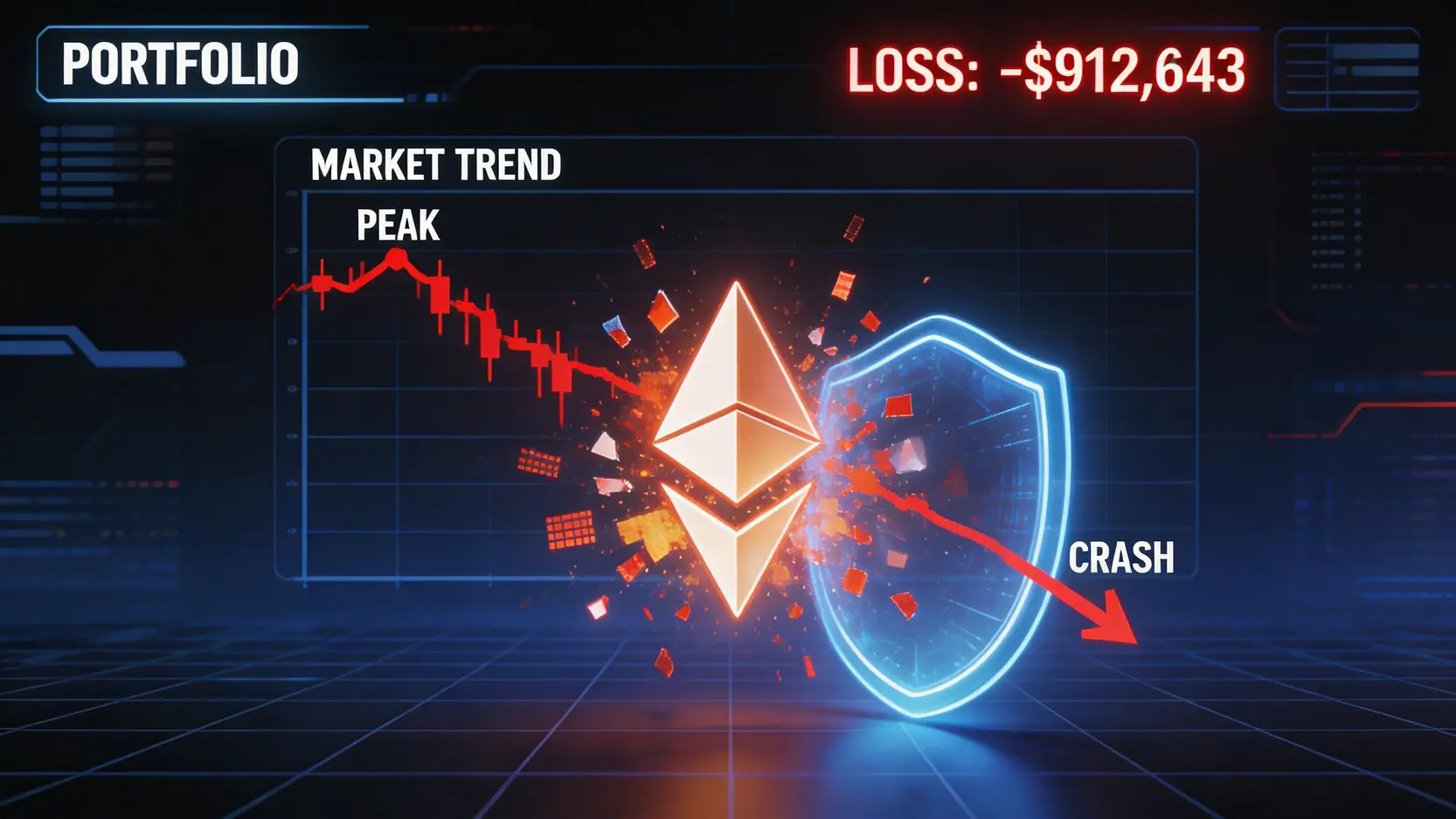
In the world of cryptocurrencies, you often hear the term “liquidation”, especially in contract trading communities. Simply put, liquidation occurs when your position’s funds are lost to the point that you can no longer maintain the minimum margin required for the contract, causing the trading platform to forcibly close your position to prevent further losses. This process is also called “forced liquidation”.


Professional Term for Liquidation: Forced Liquidation

Forced liquidation is the more formal term for “liquidation.” When the market moves against your position, causing losses, your margin (the deposit used to maintain the position) decreases. Once the margin falls below the exchange’s required “maintenance margin” level, the clearing engine triggers and automatically sells your position at the current best market price. This is done to protect the exchange and other traders, preventing chain risks caused by one user’s massive loss.


Why Do Contract Trading Liquidations Occur? Leverage Is a Double-Edged Sword

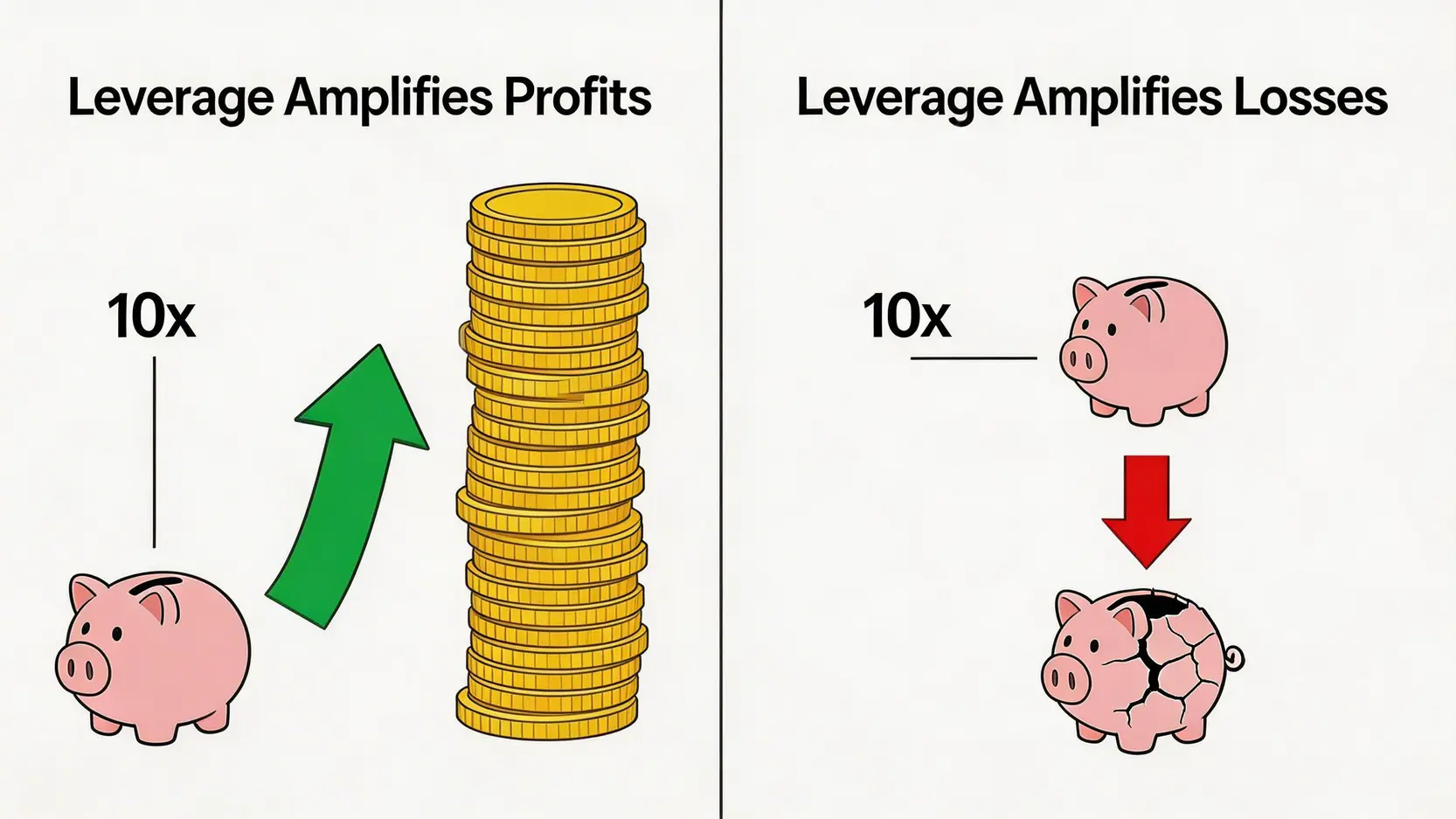
The main reason for contract trading liquidation is the use of “leverage”. Leverage allows you to control higher-value assets with relatively small funds (margin), which undoubtedly magnifies potential profits. For example, using 10x leverage means you only need 100 USDT of principal to open a position worth 1000 USDT. If the market rises 10%, your position value becomes 1100 USDT; after repaying the borrowed 900 USDT, your profit is 100 USDT, yielding a 100% return on your 100 USDT principal.

However, leverage can also magnify losses. In the same example, if the market drops 10%, your position value falls to 900 USDT. Your 100 USDT principal is completely lost, and to repay borrowed funds, the system will forcibly liquidate your position, this is liquidation. The higher the leverage, the smaller the market fluctuation needed to trigger liquidation. For readers seeking a deeper understanding of contract trading, refer to this CFD Guide 2026 Hong Kong, which shares many common principles.

一張對比圖,說明槓桿交易如何同時放大獲利與虧損,左邊是小豬撲滿變成金幣,右邊是小豬撲滿碎裂。

Leverage is a double-edged sword; it can amplify your profits and double your losses.


Further Reading (Highly Recommended)

CFD Guide 2026 Hong Kong: Full Analysis of 5 Major Advantages and Disadvantages

How to Reduce Investment Risk? 5 Practical Risk Management and Diversification Strategies


How to Calculate Binance Liquidation Price? Two Margin Modes Determine Life or Death

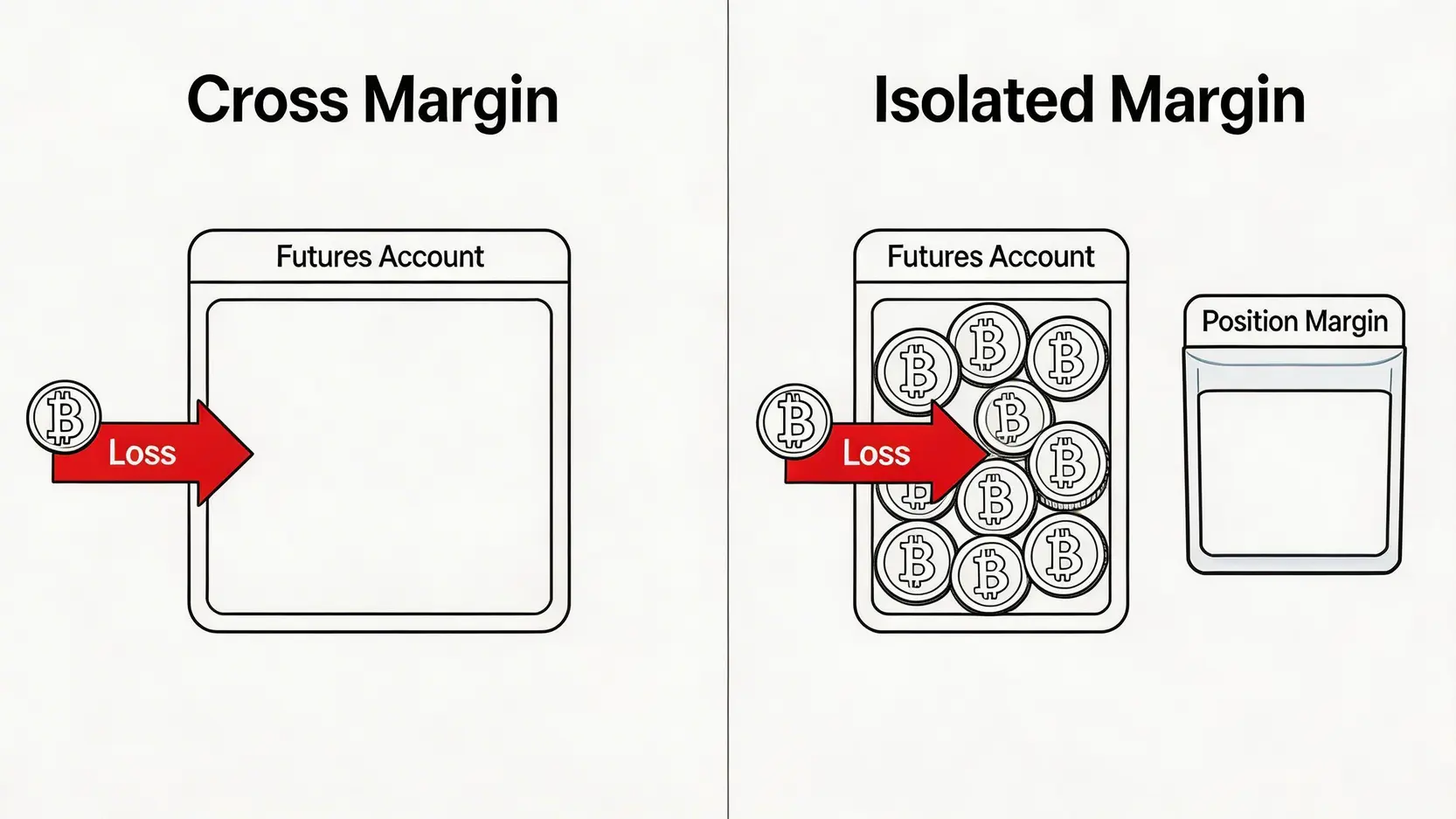
When trading contracts on Binance, understanding your liquidation price is crucial. The calculation of liquidation price is closely related to the margin mode you choose. Binance mainly offers two modes: “Cross Margin” and “Isolated Margin”, which determine how losses are distributed and directly affect your risk level.


Cross Margin: Using All Funds, Extremely High Risk

In Cross Margin mode, all available balance in your contract account serves as collateral (margin) for all positions.

  • Advantage: If one position incurs a loss, unrealized profits from other positions or idle funds in the account can offset it, reducing the chance of immediate forced liquidation. Experienced traders using multi-position hedging strategies find this mode more flexible.
  • Disadvantage: Extremely high risk! In extreme market conditions, losses may continue to expand, and in the end, you could lose all assets in your contract account. For beginners, this can be devastating.


Isolated Margin: Risk Isolation, Ideal for Beginners

In Isolated Margin mode, each position’s allocated margin is independent and does not affect others. You can manually increase or decrease the margin for a single position.

  • Advantage: The biggest benefit is risk isolation. If a position is liquidated, your maximum loss is limited to the “initial margin + any additional margin” allocated to that position, without affecting other funds or positions in the account.
  • Disadvantage: Since margins are independent, the likelihood of forced liquidation is relatively higher during large market fluctuations.

For beginners, it is strongly recommended to start with “Isolated Margin mode”. This allows a clearer understanding of single-trade risk and return while effectively controlling maximum loss.

全倉模式與逐倉模式的對比示意圖,顯示了全倉模式下所有資金共擔風險,而逐倉模式下風險被隔離在單一倉位。

Cross Margin vs. Isolated Margin: Isolated Margin Effectively Isolates Risk, Making It the Best Choice for Beginners.


Practical Tutorial: How to Use Binance Built-In Calculator to Estimate Liquidation Price

Instead of manually calculating complex formulas, it’s better to use Binance’s official tool. The Binance contract trading interface has a convenient “calculator” feature to quickly estimate profit and loss, target prices, and most importantly, the “liquidation price”.

Steps:

  1. Enter the Binance contract trading page.
  2. Locate and click the calculator icon in the upper-right corner of the order area.
  3. In the calculator popup, select the “Liquidation Price” tab.
  4. Choose your margin mode (Isolated/Cross), leverage, entry price, and position size.
  5. Enter your account balance (for Cross Margin mode).
  6. Click “Calculate” and the system will display the estimated liquidation price.

This tool is essential pre-trade homework, providing clear awareness of potential risks. You can also directly access the Binance official contract calculator for simulation. 

Core Anti-Liquidation Tutorial: 5 Risk Management Techniques You Must Learn

After understanding the principle of liquidation, the next focus is how to avoid it. Success in trading is not about single-trade profit but long-term risk control. The following five techniques are disciplines all contract traders must internalize.


Technique 1: Set Reasonable Stop-Loss Points

This is the most basic and also the most important survival rule. A stop-loss order is a preset order that automatically closes your position when the market reaches your set stop-loss price, locking in losses within an acceptable range. Never open any contract trade without setting a stop-loss. It helps you overcome human greed and fear, preventing hesitation from causing unlimited losses and ultimately leading to liquidation. 

Technique 2: Control Leverage, Avoid Greed

High leverage is the main culprit behind liquidation. Many beginners blindly invest after seeing the potential profits of 100x leverage, but they overlook that 100x leverage means a 1% adverse market movement can wipe out your principal. Beginners are advised to use leverage no higher than 5x initially, aiming for stable profits first, and then gradually adjust according to their strategy and risk tolerance.


Technique 3: Make Full Use of Isolated Margin to Isolate Risk

As mentioned, Isolated Margin is a beginner’s safeguard. It ensures that the failure of a single trade will not drag down your entire account. Until you have sufficient confidence in the market and your trading system, stick to Isolated Margin and allocate independent risk budgets for each trade.


Technique 4: Monitor Margin Ratio Constantly

Margin ratio is your position’s “health index”. On Binance, this percentage is clearly visible in the position information panel. When it approaches 100%, your position is about to be forcibly liquidated. Regularly check this value; if it becomes too high (for example, over 80%), consider taking action: manually add margin (Isolated Margin only) or manually reduce part of your position to lower the risk.


Technique 5: Avoid Opening Positions During Extreme Market Conditions

When major economic data (such as US CPI) is released or sudden major positive/negative news occurs, prices often experience extreme “spike” movements. In such conditions, prices can swing violently in a short time, easily triggering stop-losses or direct liquidation. Inexperienced traders must also learn the value of “resting”. When market direction is unclear or volatility is unusually high, staying out of the market is often the best strategy. Robust investment risk management is key to long-term survival. 

Frequently Asked Questions (FAQ)

Q: Will I owe money after a cryptocurrency liquidation?

A: Usually not on most major exchanges (such as Binance). When your position is forcibly liquidated, your maximum loss is limited to the margin you put into that position. This is because the exchange has a “risk protection fund” (or insurance fund) to cover any extra losses if the clearing engine fails to close the position at a price better than the bankruptcy price (i.e., where your principal is zero). Therefore, users’ losses will not exceed their account balance.

Q: What is Binance’s risk protection fund, and can it protect me?

A: Binance’s risk protection fund is a dedicated pool designed to protect traders from losses (exceeding their margin) under extreme market conditions. When a user’s position is forcibly liquidated and the execution price is worse than the bankruptcy price, any resulting negative balance is covered by the risk protection fund. This mechanism effectively protects the profits of the winning side and ensures that the losing side’s losses do not exceed their invested funds, maintaining platform stability.

Q: Besides Binance, what tools can be used to view market liquidation data?

A: There are many professional data analysis platforms that provide real-time liquidation data across the network, helping to assess market sentiment and potential support/resistance levels. One of the most well-known tools is Coinglass. It offers detailed liquidation charts, including 24-hour liquidation amounts, liquidation proportions by exchange, and long/short liquidation distributions, making it an important tool for many professional traders to assist in decision-making. 

Conclusion

In summary, the key to avoiding contract trade liquidation lies in “knowledge” and “discipline”. Through this Binance liquidation tutorial, you have learned the core principles of liquidation, how to calculate it, and, most importantly, the preventive measures. In the highly volatile cryptocurrency market, risk management always comes first. Be sure to internalize techniques such as setting stop-losses, controlling leverage, and choosing the appropriate margin mode as trading habits, and never rely on luck or trade emotionally. Start now with demo trading on Binance, or use a small amount of funds to practice the risk management strategies you learned today!

If you liked this article, please share it!

Related Articles

  • Volatility Surface Guide: Skew Trading Strategies
    Practical Applications of Volatility Surfaces: From Options Modeling to Advanced Skew Trading Strategies In options markets, implied volatility is never a flat line. Instead, it forms complex "smile" or "skew" surfaces. For advanced traders, mastering the practical applications of volatility surfaces is equivalent to possessing a lens that reveals market...
    2026 年 6 月 3 日
  • Foreign Capital Flow Model: Track Institutional Money
    Building a Foreign Capital Flow Copy Trading Model: A Stock Market Indicator for Accurately Tracking Institutional Positioning In Asia-Pacific stock markets, foreign capital inflows and outflows often determine the direction of the index. However, simply looking at daily net buy and sell data is no longer enough. Only by building...
    2026 年 6 月 3 日
  • Options Buying Strategies for Extreme Market Risks
    Options Buyer Strategies During Extreme Market Conditions: Black Swan Hedging and Cross-Market Arbitrage During Volatility Surges The most terrifying aspect of financial markets is not a gradual decline, but overnight flash crashes and cross-market capital withdrawals accompanied by volatility surges. In the highly unpredictable global macroeconomic environment of 2026, geopolitical...
    2026 年 6 月 3 日
返回顶部