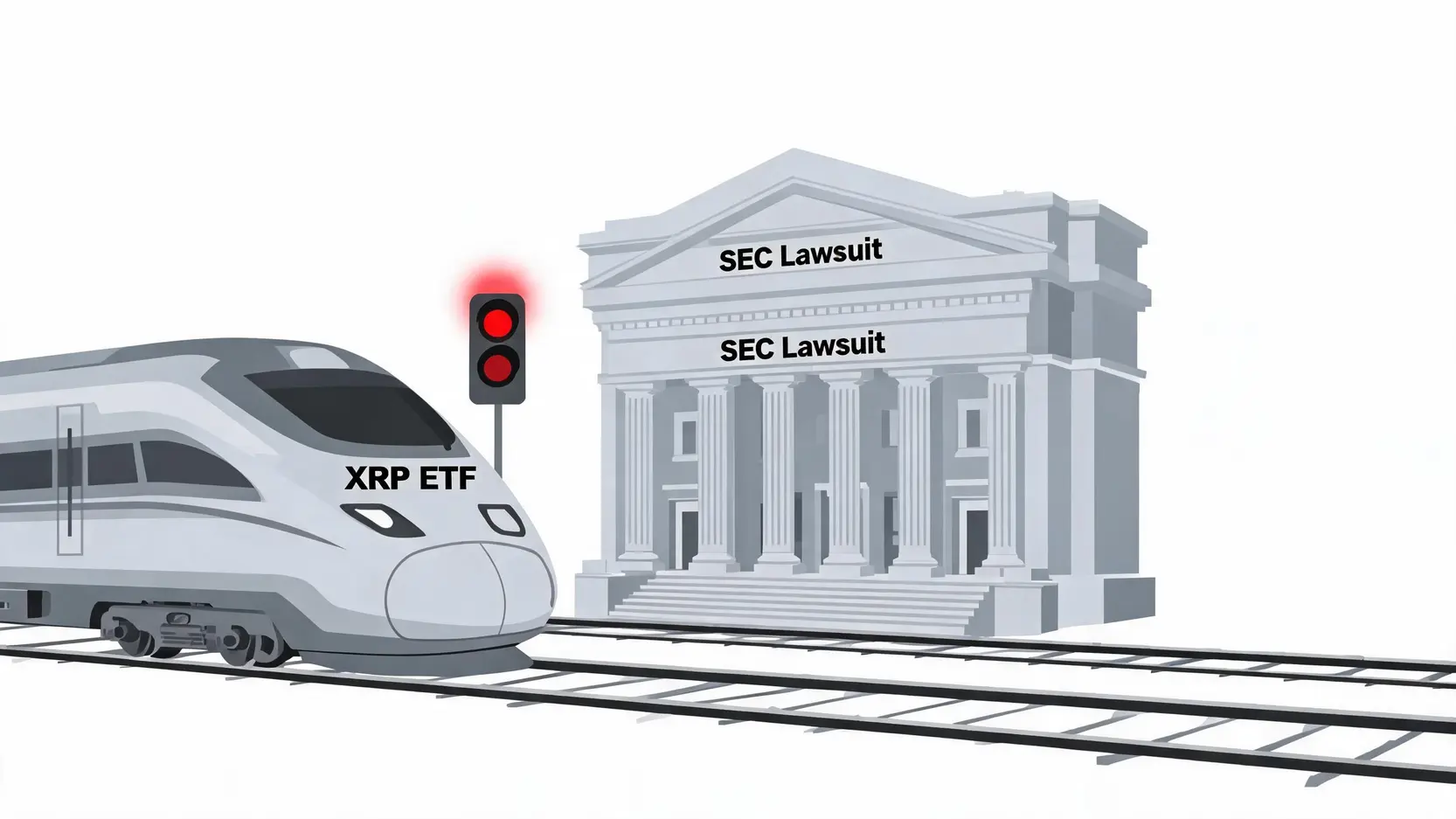
The SEC Lawsuit Remains the Biggest Obstacle to XRP ETF Approval
Although Ripple achieved a partial victory in 2023, with the judge ruling that XRP sales to retail investors through exchanges did not constitute securities transactions, the court took a different view regarding institutional sales. The final outcome of the lawsuit remains unresolved, and this legal uncertainty has caused cautious regulators such as the Hong Kong SFC to adopt a wait-and-see approach before including XRP in compliant investment products. Once the SEC lawsuit reaches a clearer and more favorable conclusion, it will significantly reduce regulatory barriers for XRP ETFs in Hong Kong and globally.
Further Reading (Highly Recommended)
XRP payment revolution: Understanding the Ripple cross-border payment network, Ripple use cases, and future outlook
Can Bitcoin ETFs still be bought? Ethereum potential and cryptocurrency outlook analysis
Global Ripple ETF Listing Timeline Overview
Although there is still no clear timeline for XRP ETFs in Hong Kong, globally, related products and discussions have already gained significant momentum. Understanding the global Ripple ETF listing timeline and developments can help us anticipate future trends.
US Market Progress: SEC Stance and Potential Approval Timeline
The US market is the global benchmark for cryptocurrency ETFs. Since Wall Street giants such as BlackRock successfully launched Bitcoin spot ETFs, the market has started speculating on which asset will be next. Although many asset management companies are currently more interested in Ethereum ETFs, applications for XRP ETFs are only a matter of time. Analysts generally predict that before the Ripple vs. SEC case is fully resolved, the likelihood of SEC approval for an XRP spot ETF remains extremely low. If the lawsuit reaches a favorable final judgment for Ripple before the end of 2026, the first XRP ETF applications could potentially emerge as early as the beginning of 2027.
Canada and Europe: Existing XRP ETP Products
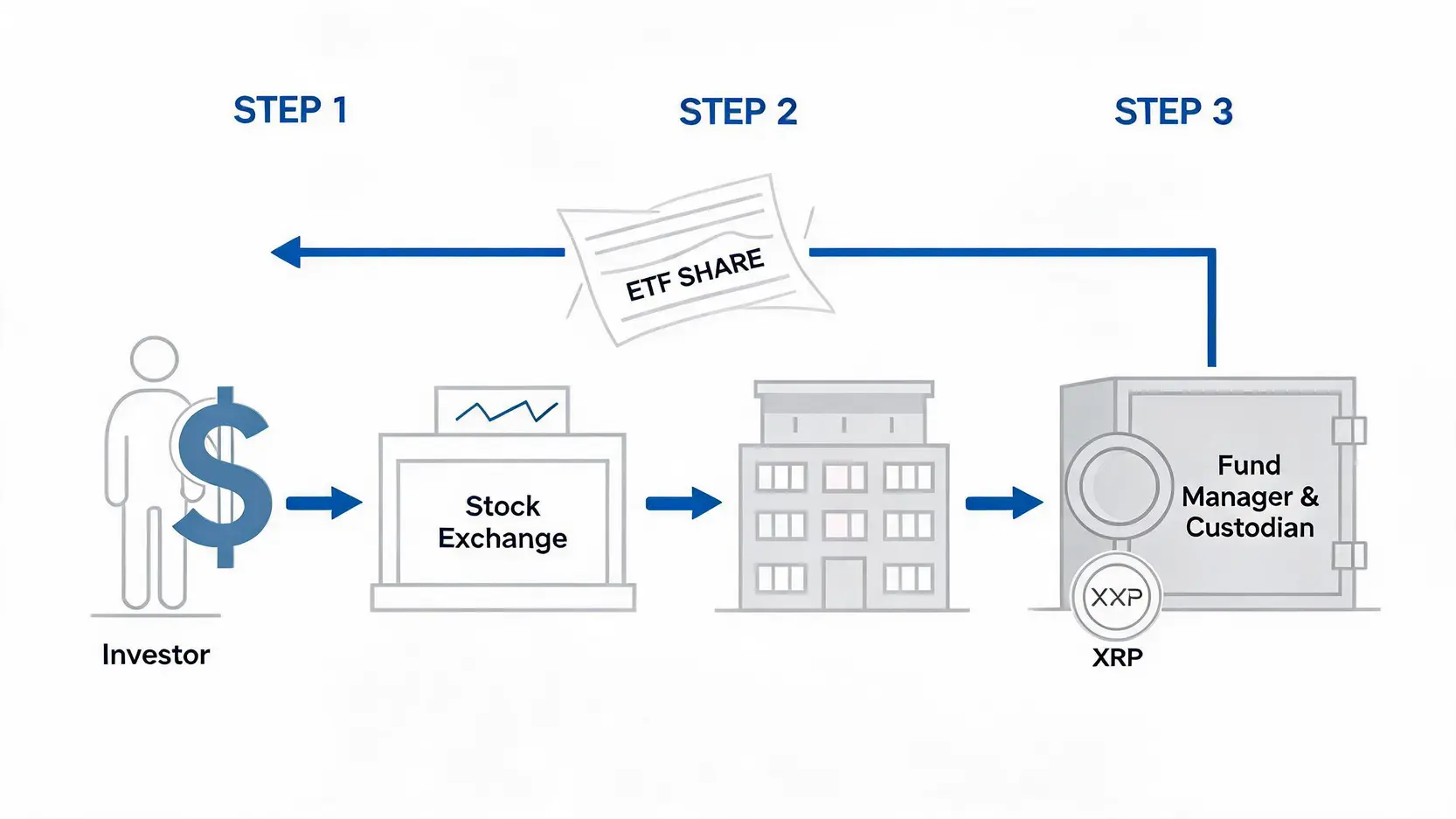
It is worth noting that in Canada and Europe, where regulatory environments are more open, XRP investment products similar to ETFs have already existed for years. These products are known as ETPs (Exchange-Traded Products). They operate similarly to ETFs, trading on stock exchanges while tracking XRP prices.
- Canada: As early as 2021, Canada approved the world’s first XRP ETP, issued by Evolve Funds Group.
- Europe: Investors can trade various XRP ETP products, such as the 21 Shares Ripple XRP ETP (AXRP), on exchanges in Switzerland, Germany, and other countries.
The successful operation of these ETPs demonstrates strong market demand for regulated XRP investment products and provides valuable experience for the future approval of spot ETFs in the US and Hong Kong.
Potential Developments in Other Asian Regions (Such as Japan and South Korea)
Japan and South Korea are highly active cryptocurrency trading markets with strong acceptance of XRP. Japan, in particular, has multiple financial institutions deeply cooperating with Ripple in the cross-border payment sector. However, regulators in both countries still maintain a relatively conservative stance toward cryptocurrency spot ETFs. They are expected to first observe developments in the US and Hong Kong before deciding whether to follow. Therefore, the likelihood of seeing XRP ETFs in these two markets in the short term remains low.
XRP ETF Outlook Analysis: 3 Reasons Why It Deserves Your Attention
Putting aside short-term listing uncertainty, the core of XRP ETF outlook analysis lies in the value proposition of Ripple itself. The following three reasons are key factors supporting its long-term potential.
Reason 1: A Catalyst for Institutional Capital Inflows
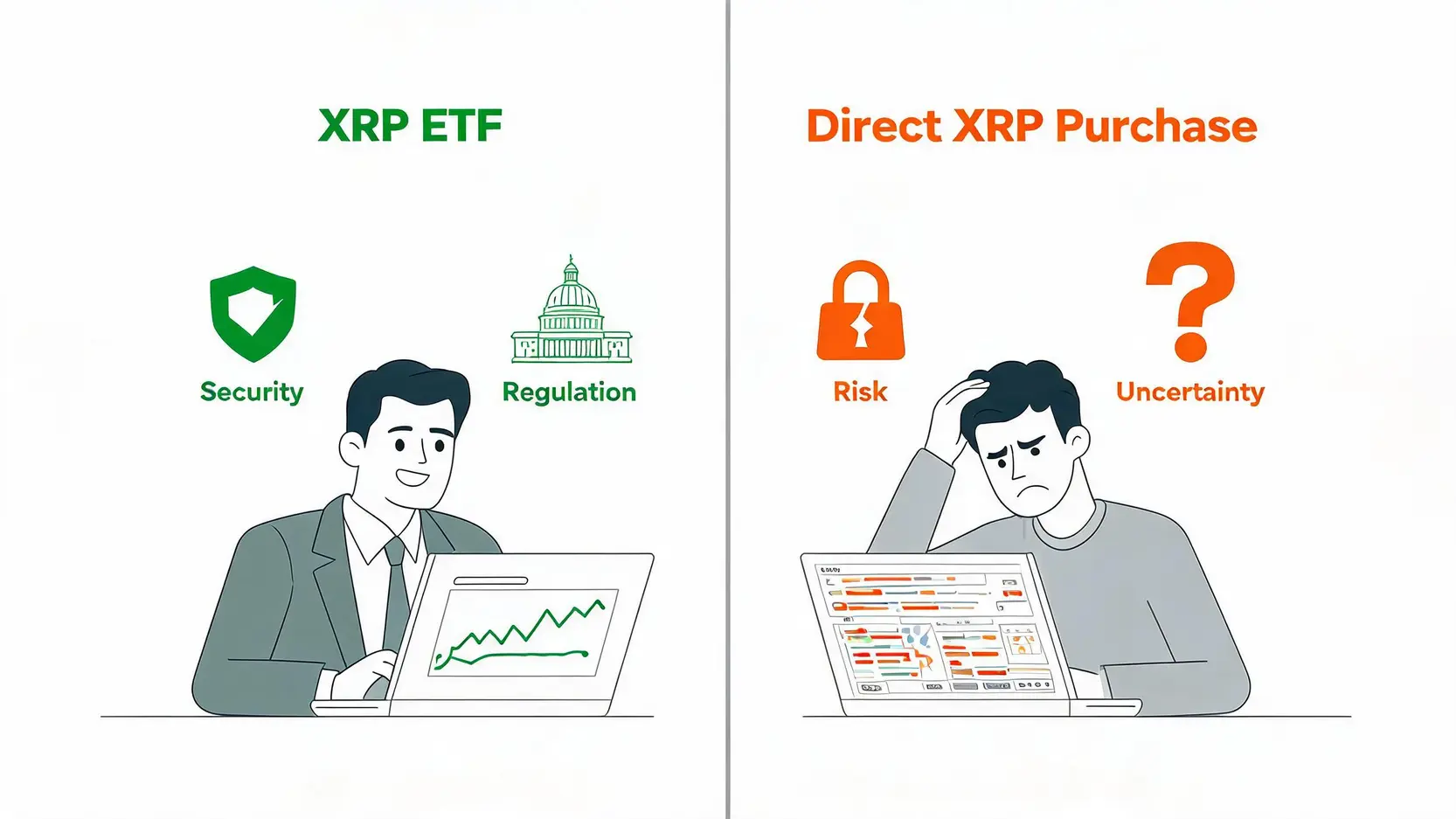
Just like Bitcoin ETFs, the greatest value of an XRP ETF is that it can become a “compliant highway” for traditional financial institutions to enter the XRP market. Trillions of dollars from pension funds, mutual funds, and family offices are restricted from directly purchasing XRP due to internal risk controls and regulatory requirements. The emergence of ETFs would completely solve this issue and could bring unprecedented buying power to XRP, potentially driving its long-term value higher.
Reason 2: A Unique Position in Cross-Border Payments
Unlike Bitcoin’s positioning as “digital gold,” XRP has targeted the massive global cross-border payment market since its inception. Its core technology aims to replace or optimize the existing SWIFT system by providing faster and lower-cost international settlement services. If investing in a Bitcoin ETF is seen as a hedge against inflation, then investing in an XRP ETF is more like investing in a disruptive fintech company. This unique utility allows XRP to stand out among many cryptocurrencies.
Reason 3: A Potentially Positive Outcome From the SEC Lawsuit
Although the lawsuit has created uncertainty, it could also become the strongest catalyst for future price growth once resolved. The market has already partially priced in the negative impact of the lawsuit. If the court ultimately delivers a more comprehensive ruling in Ripple’s favor, it would not only remove the largest cloud hanging over XRP, but could also trigger a strong rebound rally. At that point, ETF approval could naturally follow.
Potential Risks and Challenges of Investing in XRP ETFs
While optimistic about the outlook for XRP ETFs, investors must also rationally assess the risks and challenges they face. Smart investors always seek balance between opportunity and risk.
Regulatory Uncertainty: Final Outcome of the SEC Lawsuit
This remains the single biggest risk at present. If the SEC ultimately wins on appeal, or if Ripple agrees to an unfavorable settlement, XRP prices could decline sharply and the ETF approval process could be delayed indefinitely. Investors must continue monitoring the latest developments in the case.
Market Competition: Competition for Capital Against Other Cryptocurrency ETFs
The cryptocurrency ETF market is becoming increasingly crowded. Bitcoin and Ethereum ETFs already have a first-mover advantage and have attracted substantial market capital. In the future, ETFs for other blockchain ecosystems such as Solana and Cardano may also enter the market. Once listed, XRP ETFs will face intense competition from these major products for investor attention and capital.
Impact of Centralization Concerns on Price
Another long-term controversy surrounding XRP is its “centralization” issue. Ripple Labs holds a significant amount of XRP and has considerable influence over the network’s development, which differs from the decentralized philosophy of Bitcoin and Ethereum. Some loyal cryptocurrency communities are critical of this structure, and this difference in perception may limit XRP’s consensus value and long-term price ceiling.
FAQ: Common Questions About Ripple ETFs
Q: What are the potential management fees for a Ripple ETF?
A: Although XRP ETFs have not yet launched, we can refer to existing Bitcoin and Ethereum ETFs. In a highly competitive market, management fees are usually set between 0.2% and 0.8%. It is expected that the first batch of XRP ETFs may be priced toward the middle-to-upper range of this spectrum, with fees likely decreasing gradually as more competitors enter the market.
Q: If there is no XRP ETF in Hong Kong, how can I invest in Ripple?
A: In Hong Kong, even without an XRP ETF, investors still have multiple compliant ways to purchase Ripple. The most direct method is through licensed Virtual Asset Trading Platforms (VATPs) approved by the Hong Kong Securities and Futures Commission. These platforms are regulated and provide investors with a certain level of protection. For detailed guidance, you may refer to the tutorial article on how to buy Ripple XRP in Hong Kong.
Q: How much impact would Ripple winning the SEC lawsuit have on ETF approval?
A: The impact would be extremely significant. It can be said that winning the lawsuit is the “key” to whether XRP ETFs can be approved in the United States. Once the court definitively rules that XRP is not a security in nature, the largest legal obstacle would be completely removed, making it much harder for the SEC to reject related ETF applications on that basis. This would also provide strong justification for regulators in other regions, such as Hong Kong, to move forward.
Q: Between XRP ETFs and Bitcoin ETFs, which has higher potential returns?
A: This depends on your risk tolerance and investment logic. Bitcoin ETFs are viewed as relatively stable “digital gold”, with potentially lower volatility, making them more suitable for investors seeking value preservation. XRP ETFs, on the other hand, have more “growth stock” characteristics. Their price is highly linked to Ripple’s business development, the outcome of the lawsuit, and adoption within the cross-border payments market. The potential upside may be greater, but the associated risks and uncertainties are also significantly higher.
Conclusion
In summary, although the path toward XRP ETF listing in Hong Kong still depends on further regulatory clarity, its global momentum and potential value should not be overlooked. Ripple ETFs not only provide traditional investors with a regulated and convenient channel to gain exposure to XRP, but their unique cross-border payment use case also helps them stand out among many crypto assets. For investors watching the Ripple ETF listing timeline, the most important task right now is to closely monitor the final outcome of the SEC vs. Ripple lawsuit and the latest guidance from the Hong Kong Securities and Futures Commission. Once the regulatory uncertainty clears, the XRP ETF market could quickly enter investors’ focus and bring new opportunities.