Oil Price Analysis: 5 Key Factors & 2026 Forecast

Updated: 2026/03/27  |  CashbackIsland

oil-price-forecast-and-analysis

A Complete Breakdown of Oil Price Rises and Falls: 5 Major Factors Affecting International Oil Price Trends + 2026 Hong Kong Oil Price Forecast

Do you feel a “heartache” every time you refuel? International oil price news is updated daily, with all kinds of information flying around, but how exactly do these complex factors affect your wallet? For savvy drivers and investors, understanding the logic behind international oil price trends is crucial. This article will comprehensively break down the reasons behind oil price rises and falls, provide an in-depth analysis of why Hong Kong oil prices remain persistently high, and integrate expert opinions to offer the latest oil price forecasts, helping you grasp the bigger picture so that whether it is smart consumption or market investment, you can act with greater confidence. 


Core Factors: 5 Major Reasons Driving International Oil Price Rises and Falls

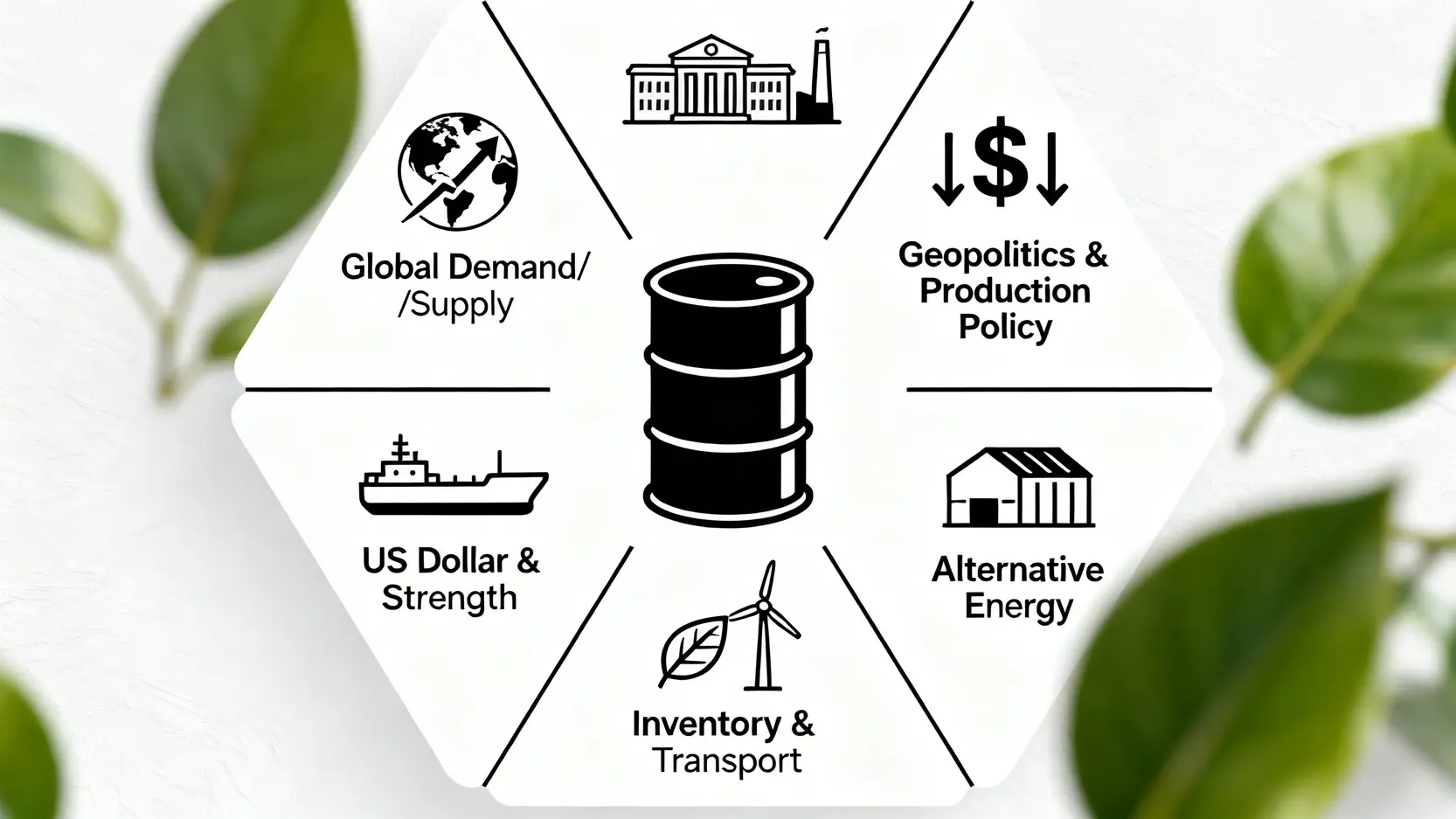
Fluctuations in international oil prices are never caused by a single factor, but are the result of multiple forces such as the global economy, politics, and market sentiment. To understand oil prices, you must first grasp the following five core driving factors:

五個影響國際油價的核心因素示意圖,包括供需關係、地緣政治、美元匯率、庫存水平和替代能源。

Understand the Five Core Factors Affecting International Oil Prices at a Glance


1. Global Supply and Demand: Economic Recovery and Industrial Demand

This is the most fundamental and direct economic principle affecting oil prices. When the global economy is in an expansion phase, activities such as industrial production, transportation and logistics, and air travel increase, naturally driving up demand for crude oil and pushing oil prices higher. Conversely, during an economic downturn, when industries contract and energy demand weakens, oil prices decline. For example, the post-pandemic economic reopening once drove a surge in demand, becoming a key driver of rising oil prices. Simply put, the “thermometer” of the global economy largely reflects the level of oil demand. 

2. Geopolitical Risks: Wars, Sanctions, and Oil-Producing Country Policies (OPEC+)

Oil is a highly politicized commodity. Any disturbance in oil-producing regions can trigger panic buying or selling in the market. For example, conflicts in the Middle East and energy sanctions on Russia can directly threaten the stability of global crude oil supply, causing oil prices to surge in a short period. In addition, the production policies of the Organization of the Petroleum Exporting Countries and its allies (OPEC+), led by Saudi Arabia and Russia, are particularly influential. Through collective decisions to cut or increase production, they directly regulate market supply and hold significant influence over international oil price trends.

3. US Dollar Exchange Rate Fluctuations: Why Does Dollar Strength Affect Oil Prices?

International crude oil is mainly priced in US dollars. This means there is a close inverse relationship between the US dollar exchange rate and oil prices. When the US dollar appreciates (strengthens), it becomes more expensive for countries using other currencies to purchase crude oil, which suppresses part of the demand and puts downward pressure on oil prices. Conversely, when the US dollar depreciates (weakens), crude oil becomes cheaper for foreign buyers, potentially increasing demand and pushing oil prices higher. Therefore, monitoring the Federal Reserve’s monetary policy is also an important part of forecasting oil prices.


4. Global Inventory Levels and Transportation Costs

Global commercial crude oil inventory data is a key indicator of market supply and demand balance. When inventory levels continue to decline, it indicates that demand exceeds supply, which is bullish for oil prices. If inventories keep accumulating, it suggests oversupply, and oil prices may face pressure. In addition, changes in global oil tanker transportation costs (such as freight and insurance) directly affect the final landed cost of crude oil, especially when shipping routes are disrupted or geopolitical tensions rise, where surging transportation costs can also become a factor driving oil prices higher.


5. Development of Alternative Energy and Environmental Policy Trends

In the long term, global efforts to combat climate change are profoundly reshaping the energy market landscape. Governments around the world are actively promoting electric vehicles, solar energy, wind energy, and other green energy sources, while implementing stricter carbon emission regulations. Although oil’s dominant position is unlikely to be shaken in the short term, every breakthrough in alternative energy technology or strengthening of environmental policies weakens market expectations for future oil demand, putting pressure on long-term oil prices. This trend is a structural shift that all oil investors must consider.


Decoding the Composition of Hong Kong Oil Prices: Why Is It Always “Quick to Rise, Slow to Fall” and Among the Highest Globally?

After discussing the global landscape, let us focus on Hong Kong locally. Drivers in Hong Kong often complain that local oil prices are “among the highest in the world”, and when international oil prices fall, local prices adjust downward much more slowly than they rise, which is known as the “quick to rise, slow to fall” phenomenon. So what exactly makes up Hong Kong oil prices

Components of Local Oil Prices: Import Cost, Fuel Duty, Operating Costs, and Profit

The price of automotive fuel in Hong Kong mainly consists of four components:

Components Detailed Explanation
Import Cost (Product Cost) The cost for oil companies to purchase gasoline and diesel from the international market is linked to international refined oil prices (such as the Singapore benchmark MOPS) and is the largest and most volatile component of oil prices.
Fuel Duty The Hong Kong government imposes a fixed tax per liter on petrol and diesel. It is a “specific tax” that does not change with fluctuations in oil prices, making it a key factor behind Hong Kong’s high fuel prices.
Operating Costs Includes expenses such as petrol station land rent, staff salaries, storage and transportation, marketing, and administrative management. With high land prices in Hong Kong, operating costs are naturally substantial.
Oil Company Profit The profit earned by oil companies after deducting all costs and taxes.

香港油價構成圖,顯示一公升汽油價格由入口價、燃油稅、經營成本和油公司利潤四部分組成。

Illustration of Hong Kong Oil Price Composition: The Proportion of Fuel Duty Is Striking


Analyzing the “Quick to Rise, Slow to Fall” Phenomenon: Oil Company Pricing Strategies and Market Competition

The emergence of the “quick to rise, slow to fall” phenomenon mainly stems from oil companies’ pricing strategies and market structure. Oil companies often explain that after purchasing fuel, time is required for processing, transportation, and storage, so retail price adjustments lag behind changes in international oil prices. However, consumers generally believe that insufficient market competition is the main reason. Due to the high concentration of petrol station networks in the hands of a few oil companies in Hong Kong, there is a lack of competitive pressure to prompt them to quickly pass on cost reductions to consumers.


Comparison With Other Regions: The Real Reason Behind Hong Kong’s High Oil Prices

Comparing Hong Kong with other regions shows that high fuel duty is the primary reason Hong Kong’s oil prices rank among the highest globally. Although oil prices in many European and US countries also include taxes, Hong Kong’s tax rate remains among the highest worldwide. Coupled with high land prices and operating costs, this collectively creates Hong Kong’s unique oil price environment.


Further Reading (Highly Recommended)

What Is a VIX ETF? Can You Profit From the Fear Index? A Complete Guide to VIX ETF Investment and Risk Analysis


Latest 2026 Oil Price Forecast and International Trend Analysis

Looking ahead, oil price forecasting is always challenging due to numerous uncertainties. However, by referring to analyses from authoritative institutions and monitoring several key variables, we can better gauge future international oil price trends

Authoritative Forecasts: What Do Goldman Sachs and the US Energy Information Administration (EIA) Say?

Major investment banks and energy institutions regularly publish oil price forecast reports. For example, leading Wall Street firms such as Goldman Sachs provide target prices based on their analysis of global economic growth, geopolitical risks, and supply-demand models. An even more important official data source is the US Energy Information Administration (EIA), which regularly publishes the “Short-Term Energy Outlook”, offering detailed forecasts on global supply and demand, inventories, and prices for the next one to two years. The objectivity and authority of its reports are highly valued by the market. 

Short-Term and Long-Term Trends: Key Variables Affecting Future Oil Prices

Overall, the key variables affecting future oil prices include:

  • Short term (1-12 months): Focus mainly on OPEC+ production decisions, economic data from major economies (such as the US and China) and unexpected geopolitical events.
  • Long term (over 1 year): Greater attention should be given to the pace of global energy transition, the cost-effectiveness of alternative energy technologies, the implementation of environmental policies by various countries, and long-term growth in energy demand from emerging markets.


How Should Hong Kong Drivers and Investors Respond to High Oil Prices?

Regardless of how oil prices fluctuate, there are always ways to respond. For ordinary drivers and perceptive investors, challenges can be turned into opportunities from different perspectives.


Smart Fuel-Saving Tips and a Complete Guide to Credit Card Offers for Drivers

For citizens who must drive, reducing fuel expenses is a priority. In addition to maintaining good driving habits (such as avoiding rapid acceleration and sudden braking and keeping proper tire pressure), using available tools can also save money. Many credit cards offer fuel discounts or cashback, and membership programs from different oil companies provide reward points and benefits. Taking the time to research and choose the most suitable offers based on personal spending habits is the most direct and effective way to cope with high oil prices.


Oil Price-Related Investment Opportunities: Analysis of Oil Stocks and Crude Oil ETFs

For investors, oil price fluctuations present potential profit opportunities. A traditional approach is to invest in oil company stocks such as ExxonMobil and Chevron. The earnings of these companies are highly correlated with oil prices. Another more direct method is investing in crude oil exchange-traded funds (ETFs). Crude oil ETFs track crude oil futures prices, allowing investors to participate in oil price movements without physically holding oil. However, investing in ETFs involves complex factors such as futures rollover costs. Before committing funds, it is essential to conduct thorough research, fully understand ETF investment concepts, and assess your own risk tolerance. 

Further Reading (Highly Recommended)

What Is a VIX ETF? Can You Profit From the Fear Index? A Complete Guide to VIX ETF Investment and Risk Analysis


Frequently Asked Questions About Oil Prices (FAQ)

Q: What are Brent crude oil and New York crude oil futures?

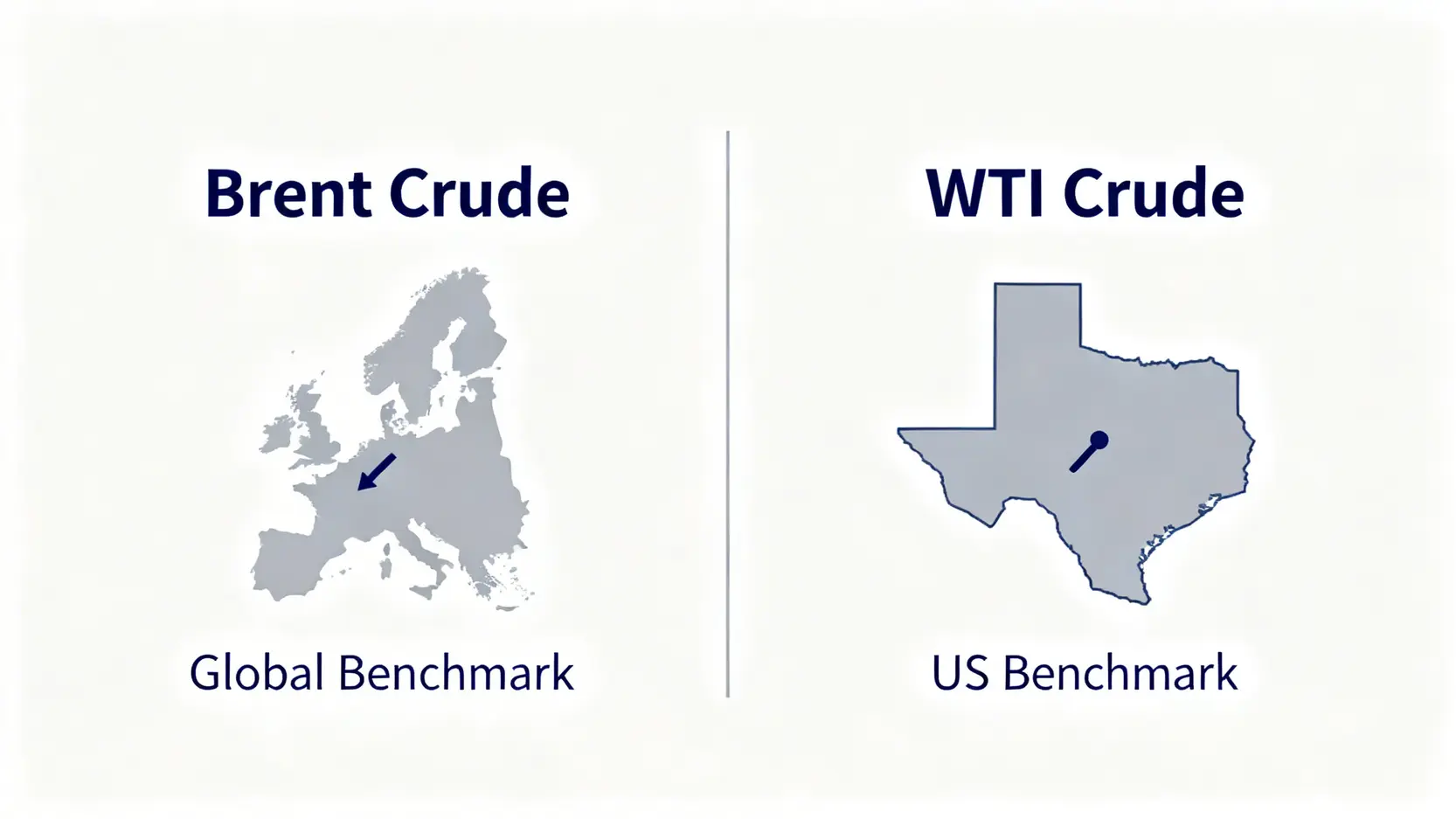
A: Brent Crude and West Texas Intermediate (WTI, commonly referred to as New York crude oil futures) are the two most important global crude oil pricing benchmarks. Brent crude is produced in the North Sea and serves as the pricing reference for most crude oil in Europe, Africa, and the Middle East. WTI is produced in the US and primarily reflects supply and demand conditions in the US market. The prices of the two are usually similar, but differences may arise due to factors such as regional supply and demand, inventory levels, and transportation costs.

布蘭特原油與紐約期油(WTI)對比圖,顯示兩者的產地和主要定價基準市場。

Two Major Crude Oil Benchmarks: Brent vs. West Texas (WTI)

Q: Why does the Hong Kong government impose high fuel duty?

A: The Hong Kong government imposes fuel duty for several policy purposes. First, it is one of the government’s stable sources of fiscal revenue. Second, higher tax rates help curb vehicle growth and fuel consumption, thereby alleviating traffic congestion and air pollution, in line with the principles of “user pays” and environmental protection.

Q: How do geopolitical conflicts quickly affect international oil price trends?

A: Geopolitical conflicts, especially those occurring in major oil-producing countries or key transportation routes (such as the Strait of Hormuz), trigger significant market concerns over “supply disruptions”. Even if there has not yet been an actual reduction in supply, traders may anticipate future disruptions and buy crude oil futures in advance. This kind of panic buying behavior can rapidly drive oil prices higher within a short period.


Conclusion

Understanding oil price trends is essential for better responding to future challenges and opportunities. Whether you are a daily commuter or an investor seeking market opportunities, deeply understanding the macro factors affecting international oil prices, recognizing the causes behind oil price fluctuations, and understanding the unique composition of Hong Kong oil prices are all key to making informed decisions. The energy market changes rapidly, and only by continuously monitoring market developments can you effectively manage expenses, avoid risks, and capture potential investment opportunities amid fluctuations. 

编者
Evan Lin

Evan Lin

我是Evan Lin,从大学时期开始接触外汇交易,至今已有多年实战经验,熟悉技术分析与EA策略,热衷于研究市场脉动与风险管控,喜欢分享实战经验和交易技巧,和大家一起学习、一起进步!

If you liked this article, please share it!

Related Articles

  • Hong Kong VASP License Guide 2026 for Web3 Firms
    Complete Guide to Virtual Asset Trading Platform (VASP) License Applications: A 2026 Hong Kong Web3 Compliance Practical Guide At the pivotal moment of 2026, as global financial digitization accelerates at an unprecedented pace, Hong Kong has firmly established itself as a leading Web3 compliance hub in Asia and around the...
    2026 年 6 月 3 日
  • CNH-CNY Arbitrage Guide 2026: Spread & Hedging
    2026 Offshore Renminbi Range-Bound Arbitrage Trading Guide: Mastering the CNH-CNY Spread and a Profit Guide to Hedging Through Two-Way Volatility Against the combined influence of global macroeconomic developments and international trade policies, the foreign exchange market in 2026 has become increasingly complex. The Renminbi exchange rate often exhibits a pattern...
    2026 年 6 月 3 日
  • Friday Taiwan Index Options: NFP Trading Strategy
    Friday Taiwan Index Options Buyer Strategies: Precisely Capturing Explosive Market Moves From Non-Farm Payroll Data Many investors often complain that options buyers have low win rates, frequently predicting the direction correctly but ultimately losing to time decay. However, under the new dual-settlement system, short-term volatility and event-driven trading have created...
    2026 年 6 月 3 日
返回顶部