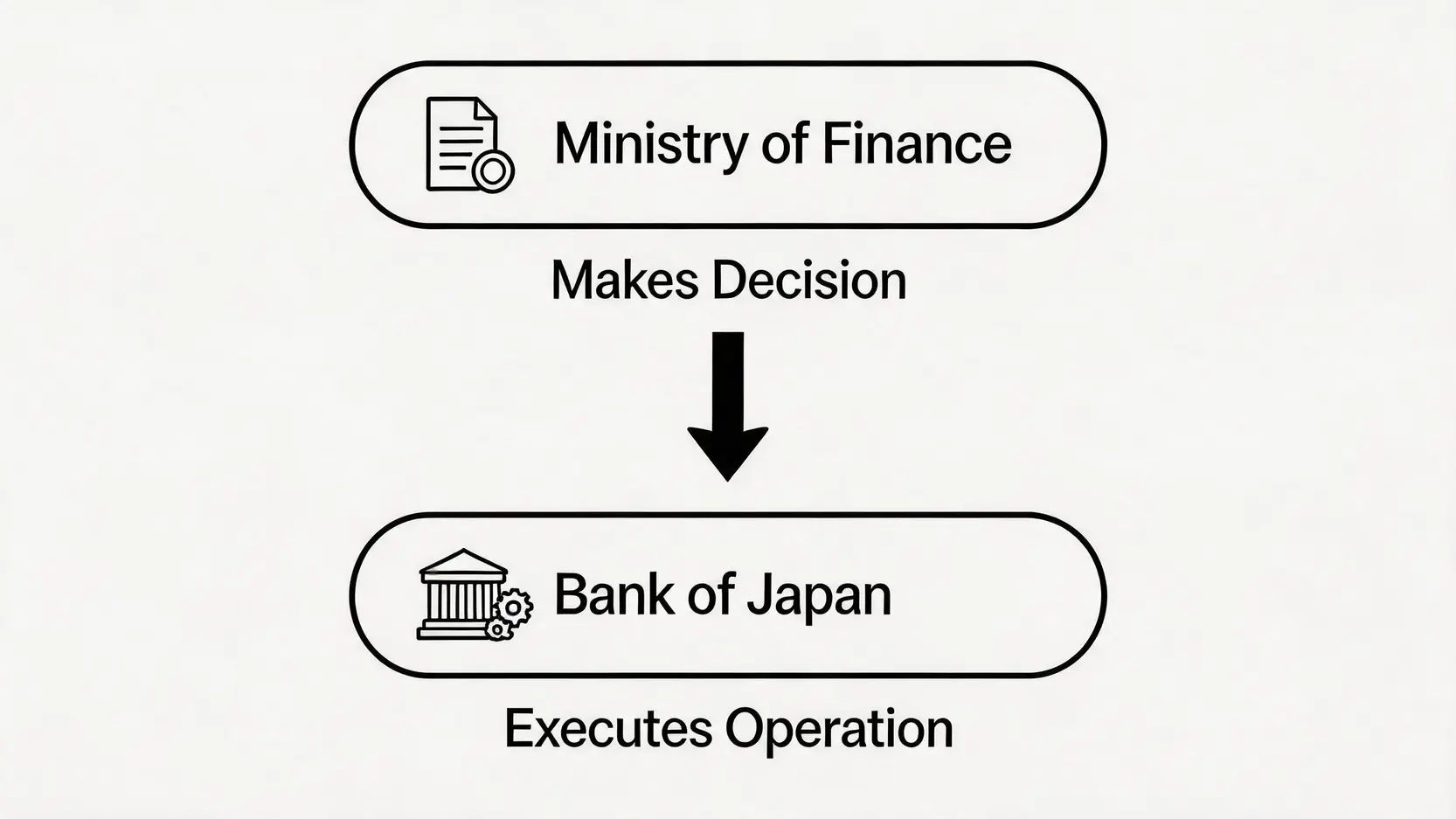
Decision and execution: the division of roles between the Ministry of Finance and the Bank of Japan
Decoding the Bank of Japan’s Yen Intervention Threshold: Key Price Levels Revealed
Predicting exact intervention levels is like guessing, but market behavior and official comments still provide valuable clues. Historical experience suggests that Japanese intervention is not tied to a fixed price level, but rather to a dynamic “pain index”.
Broken defense lines: why 155 and 158 are no longer solid floors
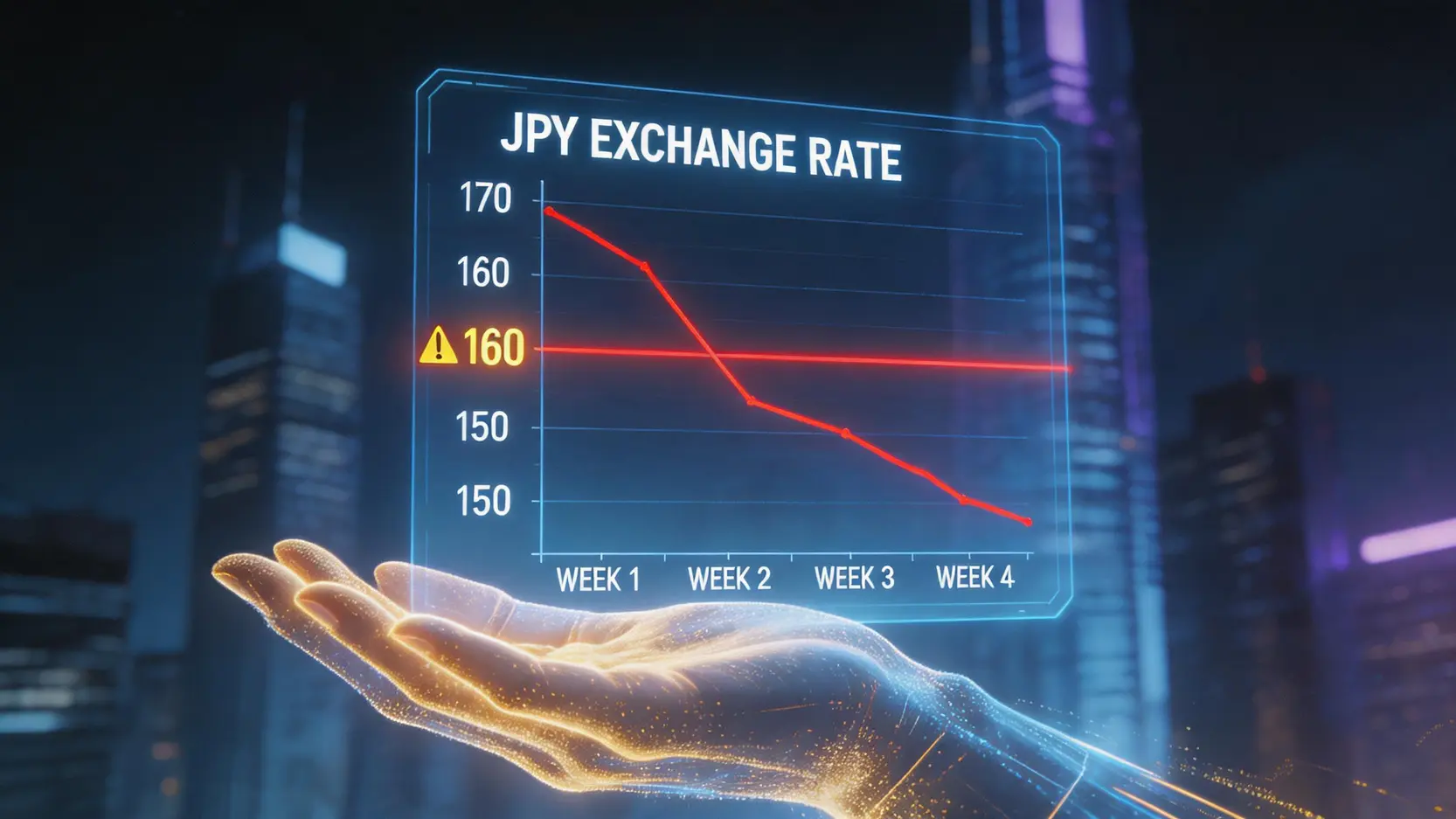
In 2024, the market repeatedly treated 155 and even 158 as official defense levels for Japan. However, against a backdrop of strong US economic data and hawkish interest rate policy, carry trades continued to expand, causing these levels to be broken one after another. This shows that unilateral intervention by Japan is often only temporary if it does not address structural macroeconomic differences (such as the US-Japan interest rate gap).
Market consensus psychological level: the 160 battleground
The USD/JPY 160 level has now become a widely recognized psychological threshold. This level not only represents a multi-decade high but also a major round-number barrier. Once breached, it could trigger panic selling and accelerate yen depreciation. As a result, many analysts believe that the Ministry of Finance has the strongest intervention intent around this level, making it a critical battleground.
Latest intervention price forecast: where is the next defense line (162–165)?
If the 160 level is ultimately broken, where is the next defense line? Based on the views of multiple investment banks and analysts, the market is focusing on the 162 to 165 range. Experts believe that if yen depreciation accelerates into this zone, the probability of large-scale government intervention will rise significantly. This is based on concerns that such levels could place greater upward pressure on import-driven inflation in Japan, forcing more aggressive policy responses.
Further Reading (Highly Recommended)
2026 Forex Trading Beginner Guide: Master Risk Management and Broker Selection for Stable Profits!
Will the Euro Fall Further? 2025 EUR Exchange Rate Outlook and 5 Key Drivers Explained
Understanding Japan’s Government Intervention History: Timing and Patterns
Looking back at history is the best guide for predicting the future. Japan’s currency interventions are not random; they are driven by deep economic conditions and strategic considerations.
Post-1990s Bubble Economy Intervention Actions
In the late 1990s, during the Asian Financial Crisis, the yen, as a safe-haven currency, appreciated sharply, severely damaging Japan’s export sector. At that time, Eisuke Sakakibara, known as “Mr. Yen”, led multiple interventions selling yen and buying US dollars, successfully curbing the yen’s appreciation trend. His firm approach remains widely discussed in the market today.
2022 Intervention: First Buy Intervention in 24 years and Its Impact
Fast forward to September and October 2022, when aggressive Federal Reserve rate hikes pushed USD/JPY above 150. Japan intervened for the first time in 24 years by buying yen. This intervention temporarily pulled the exchange rate down from its highs, but the underlying depreciation trend remained unchanged due to the persistent US-Japan interest rate gap. This experience reinforced the market view that unilateral intervention has limited long-term effectiveness.
What History Tells Us: “Speed” Matters More Than Price Levels
An important insight is that the Japanese government is more concerned with the “speed” of the move rather than the “price level”.A rapid depreciation of 5–10 yen within a short period of time (such as within a few days) is far more likely to trigger intervention than a gradual decline over several months. Fast and disorderly movements can destabilize markets, which is precisely what policymakers aim to avoid.
Four Key External Factors Influencing Intervention Decisions in 2026
Japan’s intervention decisions are not made in isolation; they are heavily influenced by global macroeconomic conditions. The following four factors are key in determining future intervention timing.
US Federal Reserve Interest Rate Outlook
This is the most critical factor affecting the yen. As long as the United States maintains high interest rates, the wide US–Japan interest rate differential will continue to act like a magnet, attracting capital flows into US dollar assets and putting downward pressure on the yen. Therefore, all investors concerned about the yen must place US Federal Reserve interest rate policy at the top of their watchlist.
Global Geopolitical Risks and Safe-Haven Sentiment
The yen is traditionally regarded as a “safe-haven currency.” When global geopolitical conflicts or financial market turbulence occur, capital tends to flow into the yen for safety, which in turn provides support for the currency. If safe-haven sentiment strengthens in the future, it may partially ease pressure on Japanese authorities to intervene.
Domestic Inflation and Economic Data in Japan
Yen depreciation is a double-edged sword. It benefits export-oriented companies but also raises the cost of imported energy and food, intensifying domestic inflation pressures. If imported inflation significantly affects household livelihoods, political pressure to stabilize the currency through foreign exchange intervention will increase.
Policy Coordination With G7 Countries
Large-scale currency intervention usually requires at least tacit approval or support from major trading partners, especially the United States. Without coordination from G7 countries, unilateral intervention can easily be offset by market forces. Therefore, Japan typically maintains close communication with global finance ministers before taking action.
Further Reading (Highly Recommended)
2026 Forex Trading Beginner Guide: Master Risk Management and Broker Selection for Stable Profits!
Will the Euro Fall Further? 2025 EUR Exchange Rate Outlook and 5 Key Drivers Explained
Conclusion
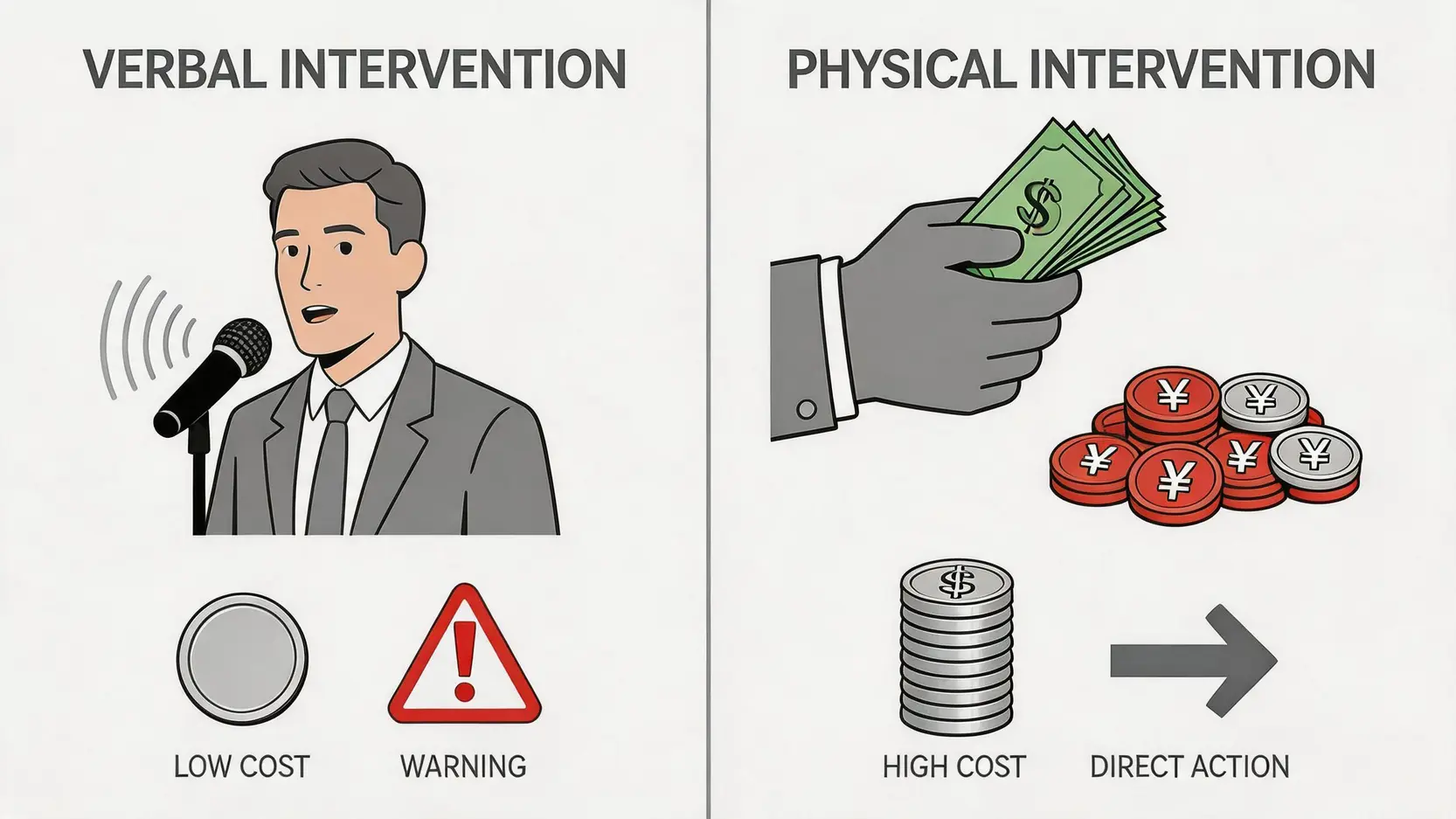
In summary, predicting precise yen intervention levels is highly challenging. However, by analyzing market psychological levels (such as 160), reviewing Japan’s historical intervention patterns, and monitoring official “verbal intervention” signals, investors can better assess risks. When positioning yen-related assets, the Bank of Japan intervention threshold should be viewed as a dynamic range rather than a single price level. Investors must also closely monitor global macroeconomic conditions, especially US monetary policy, to make informed decisions. Ultimately, the “speed” of depreciation is often more important than the absolute “price level”.
FAQ: Common Questions About Bank of Japan Intervention in the Yen
Q: When does the Japanese government usually intervene in the yen?
A: Although there is no fixed timing, historically Japanese authorities tend to intervene during periods of low market liquidity, such as the afternoon in Asian trading hours, the morning in European and US markets, or just before holidays. This timing allows them to create maximum market impact with relatively smaller capital outlays.
Q: Besides intervention, what other tools can the Bank of Japan use to support the yen?
A: The most fundamental tool is monetary policy adjustment, namely “interest rate hikes”. Raising interest rates can narrow the interest rate differential with other major economies, (especially the US), thereby attracting capital inflows into the yen. However, given Japan’s fragile economic recovery, the central bank tends to be very cautious about raising rates.
Q: As an investor, how should one respond to potential intervention risks?
A: First, investors should recognize that intervention can cause sharp short-term volatility. If holding short yen positions, strict stop-loss levels should be set. Second, closely monitor statements from Japanese officials, as increasingly strong verbal warnings may signal imminent intervention. Finally, consider using derivatives such as options to hedge against sudden reversals in exchange rates.
Q: How much does currency intervention cost?
A: The amount is not fixed and depends on market pressure and policy determination. For example, in 2022, Japan’s Ministry of Finance spent approximately 9.2 trillion yen (around 60 billion US dollars) in total during interventions in September and October. This represents a significant outlay that directly reduces Japan’s foreign exchange reserves.