Can You Still Buy Yen in 2026? Travel & Investment Guide

Can You Still Buy Yen amid Depreciation in 2026? Yen Currency Exchange Strategies for Travel and Investment
In 2026, the yen continued to fluctuate at historically relatively low levels. Whether for people preparing to travel to Japan or investors seeking FX returns, there is one major question in mind: “Is entering the market now really worth it?” In fact, amid sharp fluctuations in the yen exchange rate, entering the market based on intuition alone can often lead to losses. Building a comprehensive yen currency exchange strategy can not only significantly reduce the cost of exchanging money for Japan travel, but is also key to stable yen investment. This article will provide an in-depth analysis of the impact of yen depreciation from the perspective of a seasoned market observer, along with practical asset allocation guidance.
The Actual Impact of Yen Depreciation on General Consumers and Currency Exchange for Japan Travel
The impact of currency depreciation is usually first felt by end consumers. When the yen continues to weaken against major Asian currencies such as the RMB or MYR, it is undoubtedly a major benefit for travelers and consumers who love Japanese culture. However, maximizing the advantage of exchange rate differences requires more refined planning.
The Benefit of Significantly Lower Japan Travel Costs

A weaker yen significantly reduces the cost of travel and shopping in Japan
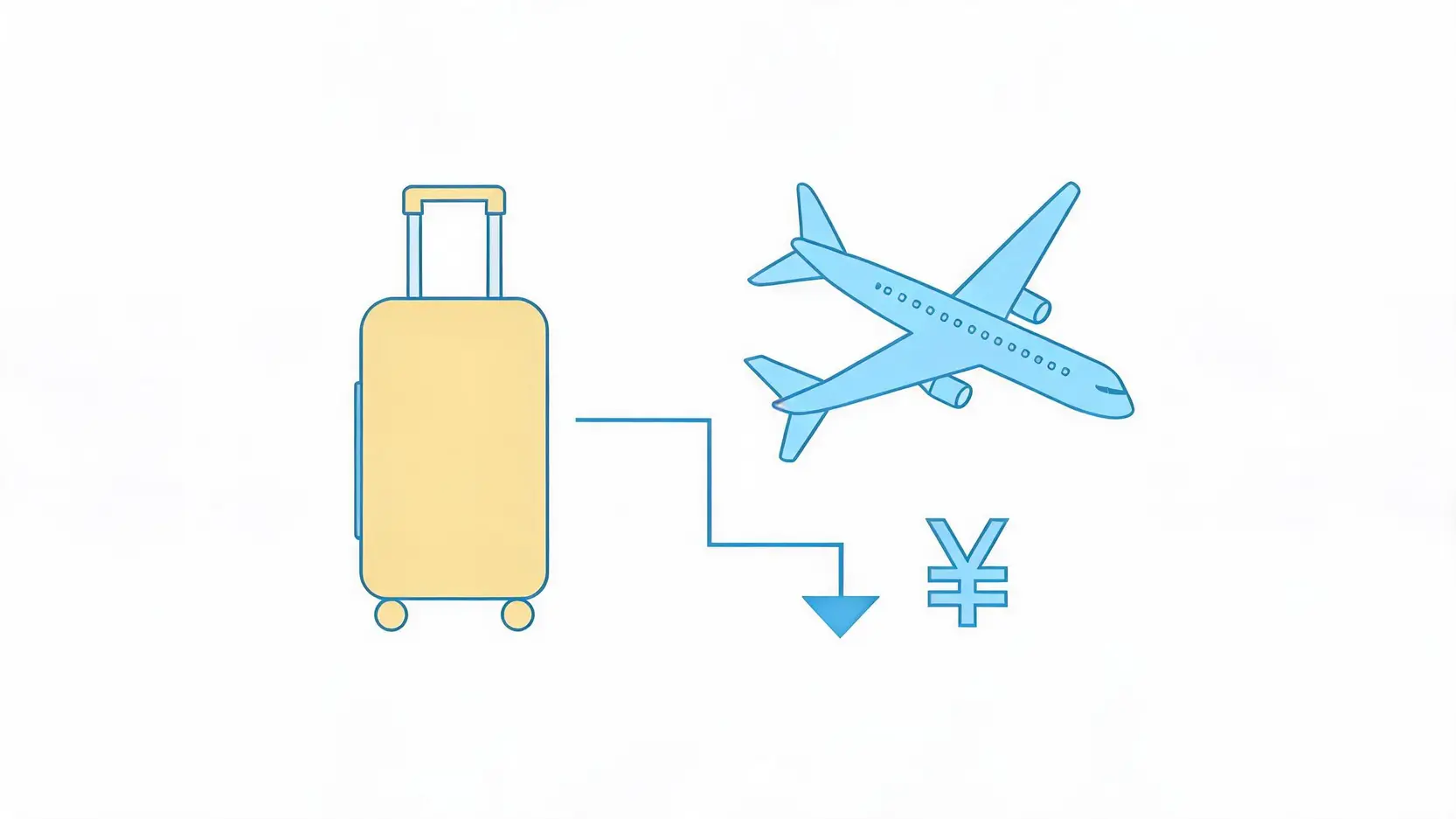
At the current exchange rate level, flights, accommodation, and local spending in Japan are effectively discounted. Michelin restaurants or high-end hot spring inns that once required careful budgeting now seem relatively more accessible. However, exchange rates fluctuate daily. To lock in the best price, in addition to making good use of overseas high-cash back credit cards, understanding the online currency exchange functions of major banks in advance through the 2026 RMB to Yen Exchange Guide is also essential preparation.
Consumer Advantages in Japanese Purchasing Services and Cross-Border Online Shopping
In addition to physical travel, cross-border e-commerce and purchasing service markets have also flourished because of yen depreciation. From home appliances and beauty products to anime merchandise, checking out directly in yen is often 15% to 30% cheaper than buying in the local market. Smart consumers will prepare a dual-currency card with no foreign transaction fees and buy yen in advance when the exchange rate is low, which is also a disguised form of anti-inflation consumption.
How Should Investors View Yen Weakness and Yen Investment Trends?
For investors focused on capital gains, yen weakness is not only a consumption opportunity, but also affects shifts across global asset segments. However, investing in FX should not be based only on “cheapness”. It is more important to assess the macroeconomic environment behind it, such as the monetary policy direction of the Bank of Japan (BOJ).
Pros and Cons of Yen Time Deposits and Potential Inflation Erosion
Many conservative investors like to place idle funds in foreign currency time deposits. However, although Japan is gradually adjusting its ultra-loose monetary policy, yen time deposit rates remain unattractive compared with US dollar rates. Locking a large amount of funds into low-interest yen time deposits may not only mean missing investment opportunities in other markets, but also expose investors to the risk of inflation eroding purchasing power. Therefore, yen time deposits should be positioned as a “capital parking” tool rather than a primary tool for “wealth appreciation”.
Risk Disclosure for Forex Margin and Leveraged Trading
Advanced investors may consider using forex margin trading to go short or long on the yen. Although this investment tool can amplify profits, it also comes with extremely high risks. The yen is deeply affected by international geopolitics, safe-haven sentiment, and changes in US-Japan interest rate differentials. Without a proper stop-loss mechanism, sharp volatility may cause margin liquidation in an instant. When using such tools, position size must be strictly controlled.
Further Reading (Highly Recommended)
Is Now a Good Time to Exchange Yen? Expert Analysis of the Best Currency Exchange Timing
Expert-Level Staged Currency Exchange and Asset Allocation Method: Perfecting Your Yen Currency Exchange Strategy
Whether your purpose is travel or investment, mastering the right currency exchange rhythm is the key to winning. Rather than staring at the market every day and guessing the lowest point, it is better to build a disciplined capital allocation system.
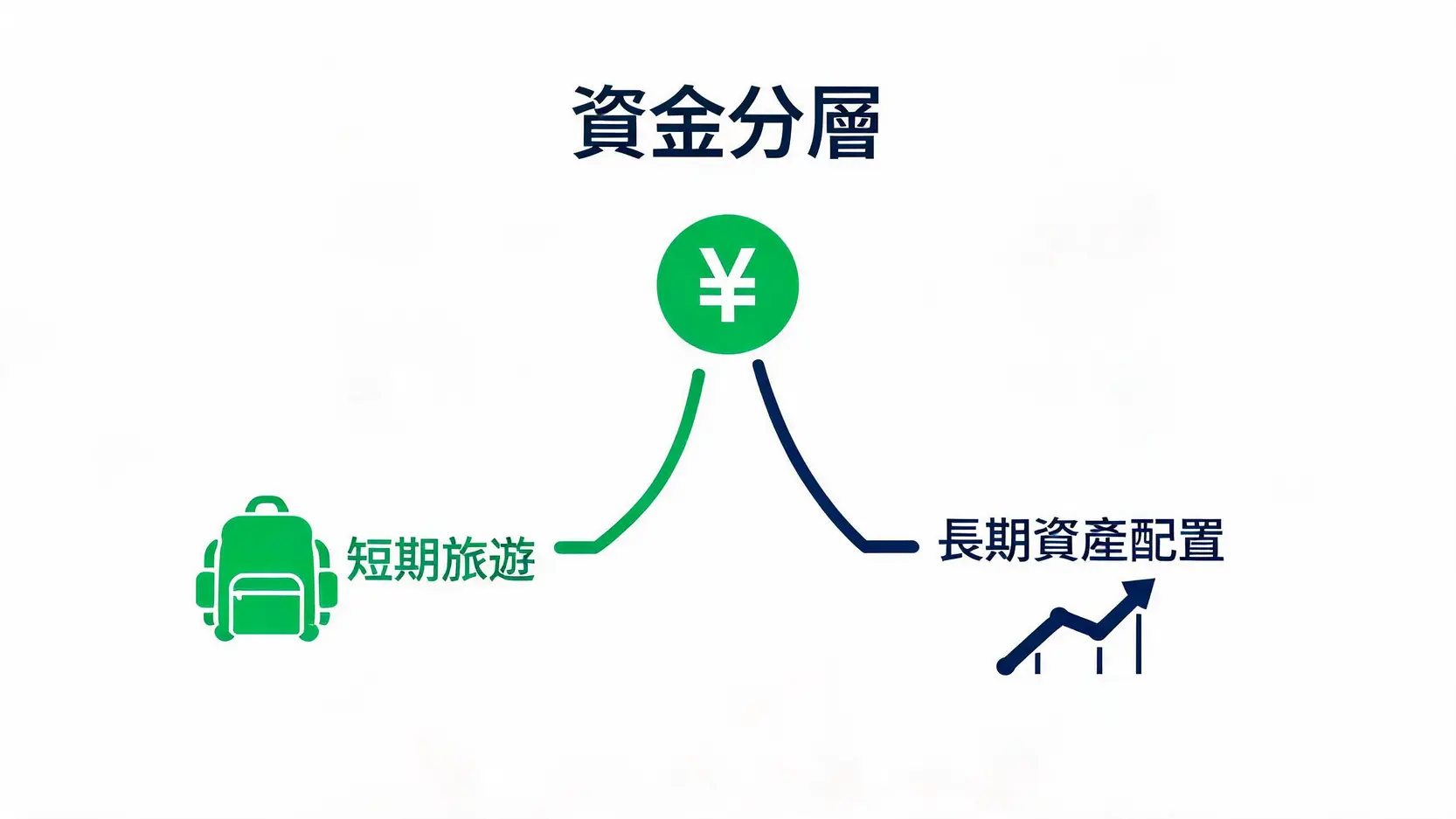
Capital Layering: Distinguishing Between Short-Term Travel and Long-Term Investment Needs

Dividing funds into short-term travel and long-term investment is the key to stable currency exchange
First, please conduct “capital layering” for your yen needs. Funds with a clear short-term Japan travel plan (within six months) should prioritize liquidity. This portion of funds can be placed in a foreign currency digital account, ready for cash withdrawal or linked dual-currency card payments at any time. As for long-term investment positions, the upper limit of yen holdings should be determined based on overall asset allocation (such as the stock-bond ratio) to avoid excessive concentration in a single currency.
Using Dollar-Cost Averaging to Reduce Exchange Rate Volatility Risk

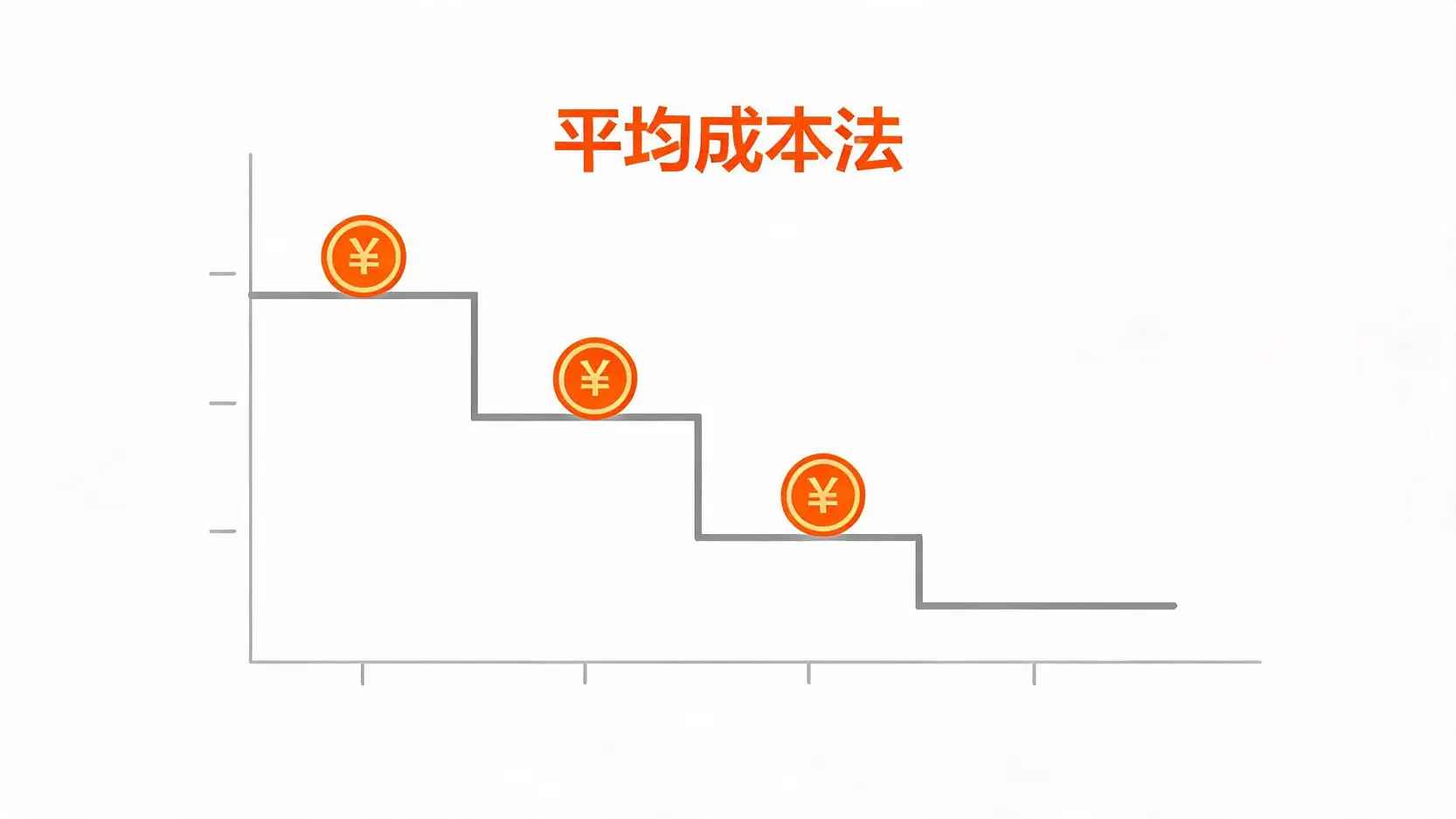
Using dollar-cost averaging to buy in batches effectively smooths exchange rate volatility risk
No one can accurately predict the absolute bottom of the market. Therefore, using a dollar-cost averaging approach such as “regular fixed-amount purchases” or “grid-based staged buying” is the most stable strategy for dealing with exchange rate volatility. When the yen exchange rate falls by each interval (such as 0.005), buy a portion of funds proportionally. This can not only effectively smooth the overall currency exchange cost, but also reduce psychological pressure during the investment process.
Frequently Asked Questions (FAQ)
Q: Is now the best time to exchange yen?
A: The FX market changes rapidly. The yen is currently in a historically relatively low range and has a certain price advantage. If there is an actual immediate need (such as near-term travel or paying tuition fees in Japan), exchanging currency in batches now is a very reasonable choice.
Q: How long will yen depreciation continue?
A: This depends on the difference in monetary policy between the US and Japan. As long as the US maintains relatively high interest rates and the Bank of Japan raises rates slowly, the depreciation pressure on the yen will continue to exist. It is necessary to closely monitor monthly CPI data and central bank decisions.
Q: What should I do if the yen continues to fall after I exchange currency?
A: This is exactly why using a “staged currency exchange” strategy is strongly recommended. If all funds are exchanged at once, a subsequent decline will naturally cause anxiety. If part of the funds is reserved, a decline instead becomes a good opportunity to further average down the purchase cost.
Q: When traveling to Japan, is it better to bring cash or use a card?
A: It is recommended to use a “cash and credit card in parallel” strategy. For large purchases, (such as department store shopping and hotel accommodation), using a high-cashback credit card can earn cashback to offset fees. Small shops, night markets, and transportation stored-value payments still rely on yen cash.
Conclusion
Fluctuations in the yen exchange rate are both a challenge and an opportunity. Facing the complex and changing global financial environment in 2026, a single forecast is often less reliable than a rigorous strategy. Whether you are preparing for a Hokkaido ski trip at the end of the year or hoping to find investment opportunities in the global FX market, implementing a yen currency exchange strategy based on capital layering and staged positioning is the only way to enjoy the benefits of yen depreciation while effectively controlling potential risks. Review your foreign currency account and asset allocation now, and create a personalized currency exchange plan tailored to you!
Related Articles
-
Unable to Borrow Money Through Stock Pledge Loans? Uncovering Brokerage Funding Shortages and the FSC’s Deleveraging Policy When you urgently need funds or want to add to your positions, but do not want to sell your high-quality holdings, what should you do? “Stock pledge” is the secret weapon that helps...2026 年 7 月 9 日
-
What Is Stock Lending? A Guide to Earning Interest on Idle Stocks, Asset Activation Strategies Every Dividend Investor Should Learn, and a Full Breakdown of Brokerage Settings Are the stocks in your hands stuck in long-term losses, or are you holding quality stocks that you are reluctant to sell? Instead...2026 年 7 月 9 日
-
2026 Bond Yield Full Guide: US Treasury Trends, Inversion Analysis, and Bond ETF Allocation In the vast ocean of the investment market, whether you prefer the dramatic waves of the stock market or the steady reliability of fixed income, there is one core indicator that no market participant can ignore,...2026 年 7 月 9 日