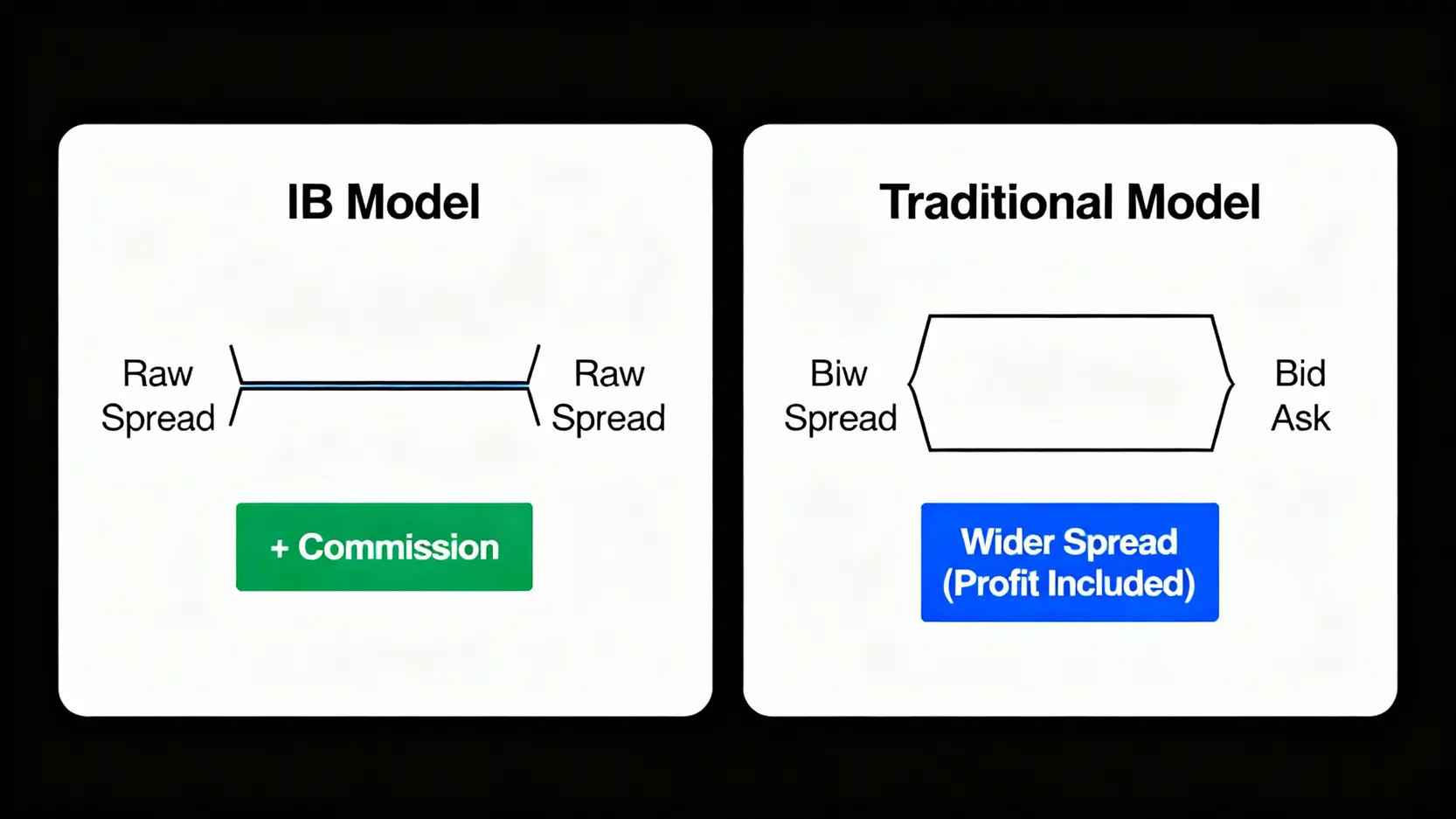
IB Fee Model: Transparent “Raw Spread + Commission” Structure vs Traditional “Marked-Up Spread” Platforms.
Forex Trading Commission Structure: Tiered vs Fixed, Which Is More Suitable for You?
IB provides two commission plans for forex trading to meet the needs of investors with different trading volumes:
- Tiered Pricing: Commission rates decrease as trading volume increases. It is suitable for high-frequency traders with large monthly trading volumes. Commissions typically range between 0.08 and 0.2 basis points, multiplied by the notional trade value.
- Fixed Pricing: For general investors or users conducting currency conversion, the fixed plan is simpler. The commission is 0.20 basis points of the trade value (0.0020 percent), with a minimum charge of 2.00 US dollars per order (or the equivalent in another currency).
Example:
If you convert 10,000 US dollars into Hong Kong dollars under the fixed commission plan:
Trade Value = 10,000 USD
Commission = 10,000 × 0.000020 = 0.2 USD
Since this is below the minimum charge, the final commission will be 2.00 USD.
If you convert 500,000 US dollars, the commission will be:
500,000 × 0.000020 = 10 USD. In this case, the actual calculated amount applies.
Currency Conversion Fees: The Fixed Cost per Transaction
For the vast majority of users who are simply conducting “currency exchange” rather than speculative trading, IB’s fee structure can be understood as: extremely low interbank exchange rates + a minimum fee of 2 US dollars per transaction. This cost structure is very clear and is particularly suitable for medium to large currency conversions, such as overseas property purchases, children’s education abroad, or transferring funds to overseas securities accounts.
Are There Any Hidden Fees? An Analysis of Data Fees, Account Maintenance Fees, and Other Potential Costs
For most Hong Kong investors, the good news is that IB has eliminated many potential fees in recent years:
- Account Maintenance Fee: IB canceled the monthly 10 US dollar minimum activity fee in 2021. Opening and holding an account now generally incurs no maintenance cost.
- Data Fees: Real-time forex quotes are provided free of charge and do not require additional subscriptions.
- Withdrawal Fees: One free withdrawal is allowed each month. Subsequent withdrawals incur a small fee.
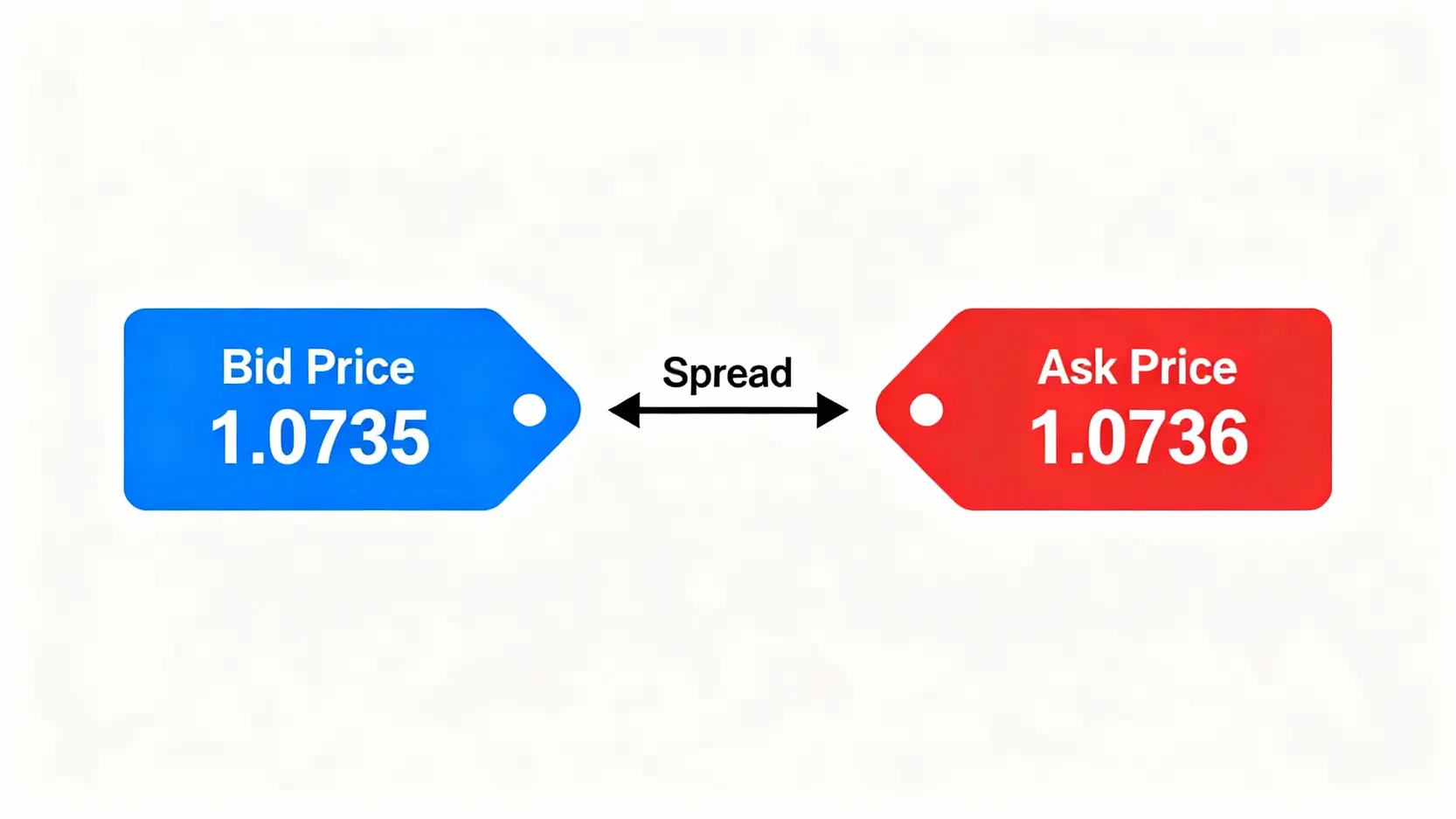
Overall, for users focused on forex conversion and trading, IB’s cost structure is highly transparent. The main costs are “spread + commission”, with essentially no hidden fees to worry about.
Practical Guide: How to Complete Currency Conversion on IB at the Lowest Cost
After understanding the cost structure, mastering the correct operational method can further help you reduce expenses. It is recommended to use IB’s most powerful desktop trading platform, Trader Workstation (TWS), to execute currency conversions.
Step One: Set Up Currency Pair Quotes and Charts on the TWS Platform
After logging into TWS, enter the currency pair code in your watchlist, for example “EUR.HKD” or “GBP.USD”, then press Enter. Select “Forex” to add real-time quotes for the currency pair. You can right-click the currency pair to open a chart and monitor real-time exchange rate movements.
Step Two: Use “Limit Orders” to Avoid Additional Costs Caused by Market Volatility
Although placing a market order (Market Order) is the fastest method, the execution price may be unfavorable during periods of high market volatility. It is strongly recommended to use a limit order:
- Open the trading window and select the currency you want to “buy” or “sell”.
- Under “Order Type”, select “LMT” (Limit Order).
- In the “Limit Price” field, enter your desired exchange rate.
In this way, the order will only be executed when the market price reaches or is better than your specified price, effectively controlling your conversion cost.
Step Three: How to Preview the Total Trading Cost Including Commission Before Placing an Order
After entering all trading parameters, do not rush to click “Submit”. Click the “Preview” button next to it, and the system will display a window detailing:
- Estimated transaction amount
- Estimated commission
- The impact on your account cash balance after the transaction
This function is very important. It allows you to fully understand the total cost of the trade and ensures there are no unexpected charges. Once everything is confirmed, then submit the order.
IB Forex Trading Frequently Asked Questions (FAQ)
Q: After converting foreign currency on IB, how long does it take before the funds can be used for trading or withdrawal?
A: Currency conversion is completed instantly. Once your currency exchange order is executed, the new currency will immediately appear in your account balance and can be used right away to purchase stocks, bonds, or other financial products denominated in that currency. If you wish to withdraw funds, you must follow the standard T+2 settlement cycle, meaning the funds will be settled and available for withdrawal two business days after the trade date.
Q: Are IB’s exchange rates updated in real time 24 hours a day?
A: Yes. The forex market is a global market that operates 24 hours a day on weekdays. IB provides real-time streaming interbank exchange rates, and prices fluctuate continuously based on global supply and demand. You can log in to the platform at any time to check the latest exchange rates.
Q: Is it safe to conduct large forex transactions through IB? Is there regulatory protection in Hong Kong?
A: It is very safe. Interactive Brokers Hong Kong Limited is a licensed corporation regulated by the Securities and Futures Commission (SFC) of Hong Kong (with Central Entity Number ADU296). Under regulatory requirements, client funds are fully segregated from the company’s own funds and are protected under the “Securities and Futures (Client Money) Rules”. In addition, as a large multinational brokerage listed on Nasdaq, IB’s capital strength and risk management framework meet the highest international standards.
Q: Is there a minimum amount requirement for currency conversion on IB?
A: IB itself does not impose a strict minimum conversion amount. However, because its commission structure includes a minimum charge of 2 US dollars, if you convert a very small amount (such as only a few dozen US dollars), the 2 US dollar fixed fee will represent a high proportion of the transaction and become uneconomical. In general, it is recommended that each conversion amount be at least several hundred US dollars to better take advantage of its low-cost structure.
Conclusion
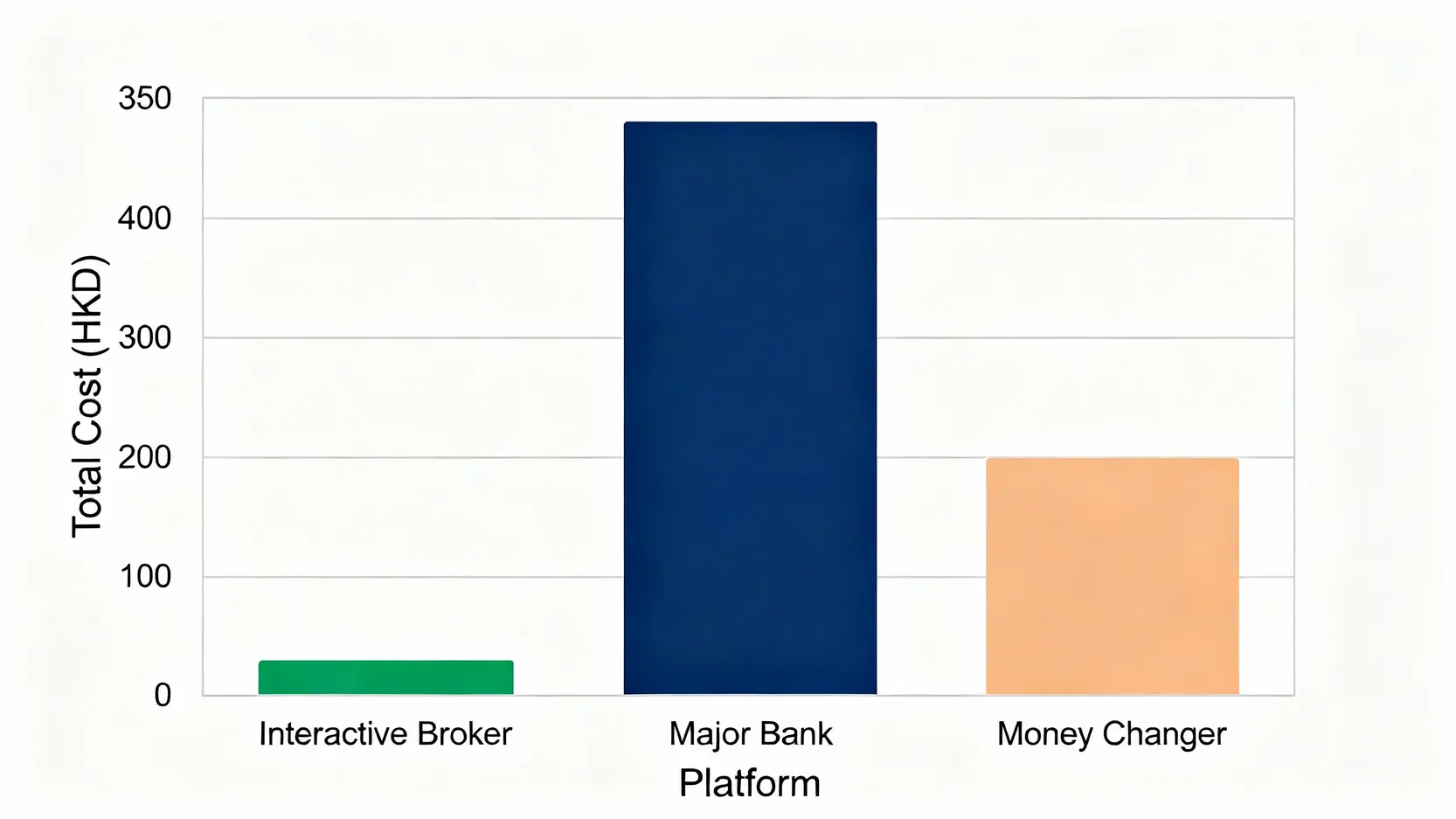
In summary, Interactive Brokers Hong Kong indeed has one of the most competitive advantages in the market in terms of forex spreads and total trading costs. Whether for professional forex traders or ordinary investors who only need currency conversion, it is an ideal tool for cost savings. Its transparent “raw spread + fixed commission” model significantly outperforms traditional banks and most money changers. However, to truly maximize benefits, investors must fully understand the factors affecting spread fluctuations, how commissions are calculated, and how to effectively use limit orders and other operational techniques. This article has provided a detailed IB trading cost analysis and practical guide, with the hope of helping you manage your global investment portfolio more efficiently.