Buy Physical Silver 2026: Bars, Coins & Inflation Guide

Updated: 2026/02/12  |  CashbackIsland

physical-silver-buying-guide

The Ultimate Guide to Buying Physical Silver: Five Channels for Silver Bars and Coins, Brand Recommendations, and Inflation-Hedging Strategies

In today’s world of rising global economic uncertainty, many people are looking for assets that can preserve value and hedge against inflation. “Real silver” has become one of the most reliable choices. Compared with gold, spot silver has a lower entry threshold, making physical silver purchases more suitable for small investors and beginners. This article provides the most comprehensive guide to buying silver bars, from understanding the basic concepts of spot silver, to comparing different silver bar brands, and analyzing the pros and cons of five major purchase channels, helping you take your first step toward owning “real silver” in a safe and smart way. 


Why Invest in Physical Silver? Understanding the Three Core Values of “Real Silver”

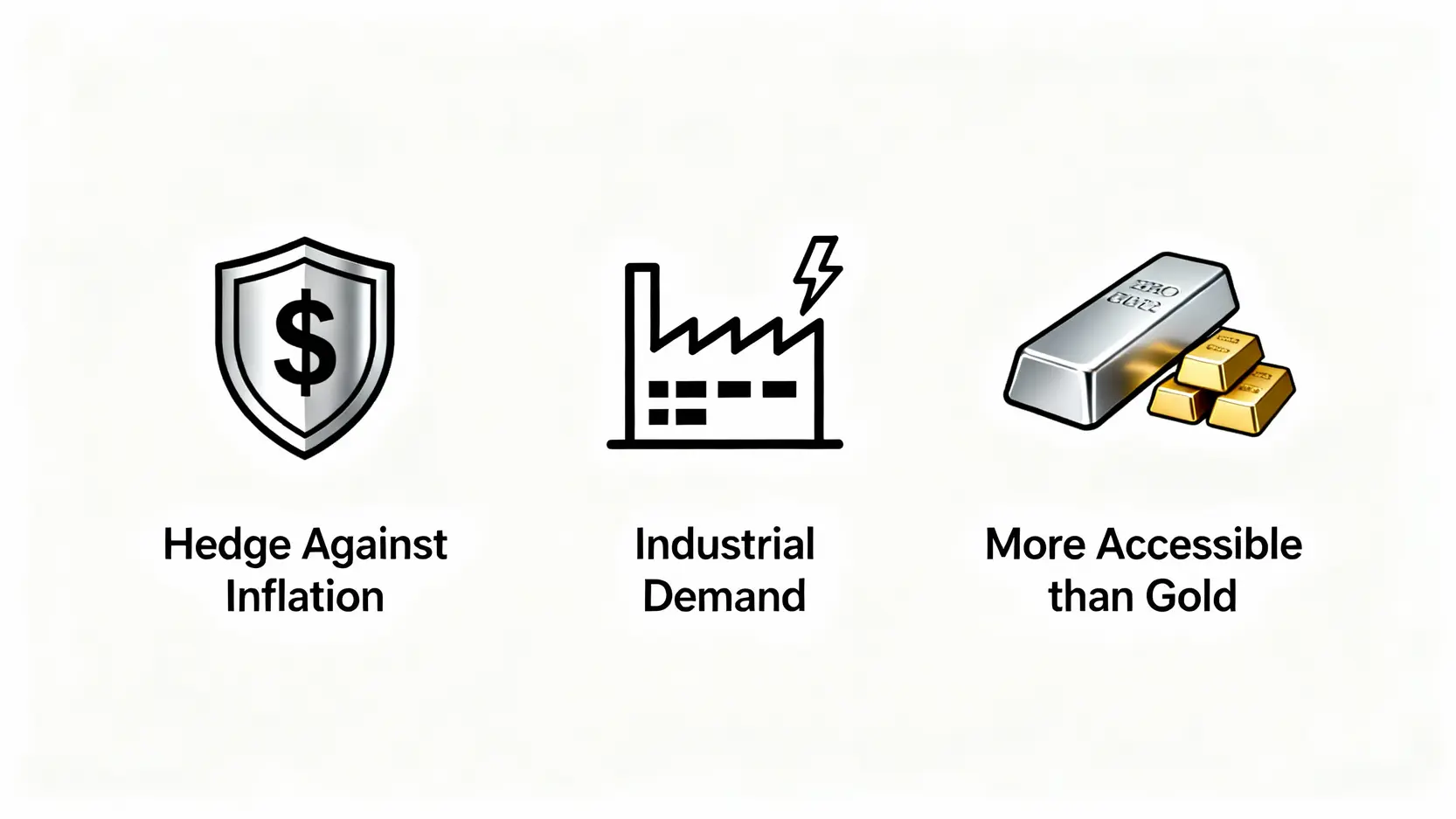
Among the many investment tools available, physical silver has always held a unique position due to its distinctive characteristics. It is not only a form of currency with a long history, but also plays an indispensable role in modern society. For investors who want to build an asset moat through buying physical silver, understanding its core value is crucial.三大實體白銀投資價值圖解:對抗通膨、工業需求、比黃金更親民。

Silver’s three core values make it a unique asset that combines both defensive and growth potential.


Value One: A Hedging Tool Against Inflation

When central banks implement monetary easing policies and the money supply in the market increases, the purchasing power of fiat currency declines. This is known as inflation. In such circumstances, precious metals such as gold and silver, with relatively stable supply and the inability to be printed indefinitely, become excellent stores of value. Holding physical silver is equivalent to adding a layer of protection to your asset allocation that is not affected by currency depreciation.


Value Two: Strong Industrial Demand With Promising Future Potential

Silver is not just a financial asset. It is also “the backbone of industry”. It is the metal with the highest electrical and thermal conductivity and is widely used across various high-tech sectors:

  • Electronic products: Almost all electronic devices, from smartphones and computers to televisions, require silver as a conductive material.
  • Green energy: The manufacturing of solar panels requires large amounts of silver paste. As global demand for renewable energy increases, demand for silver continues to rise.
  • Electric vehicles: Electronic components and batteries in electric vehicles also require the use of silver.

This strong industrial demand provides solid support for silver prices, giving it not only hedging characteristics but also long-term growth potential.


Value Three: A More Accessible Entry-Level Precious Metal Than Gold

For beginners entering precious metals investing or small investors with limited budgets, silver is an excellent starting point. Currently, the gold-to-silver price ratio usually ranges between 70:1 and 90:1. This means that with the funds used to purchase one ounce of gold, you can buy dozens of ounces of silver. This low entry threshold allows more people to participate in the precious metals market and gradually build their own “real silver” assets.


Further Reading (Highly Recommended)

Beginner’s Guide to Gold Investment: A Complete Analysis of the Pros and Cons of Five Major Channels, Understanding Investment Benefits and Risks 

Must-Know Before Investing: Spot Silver vs. Silver ETFs. Which Is Right for Me?

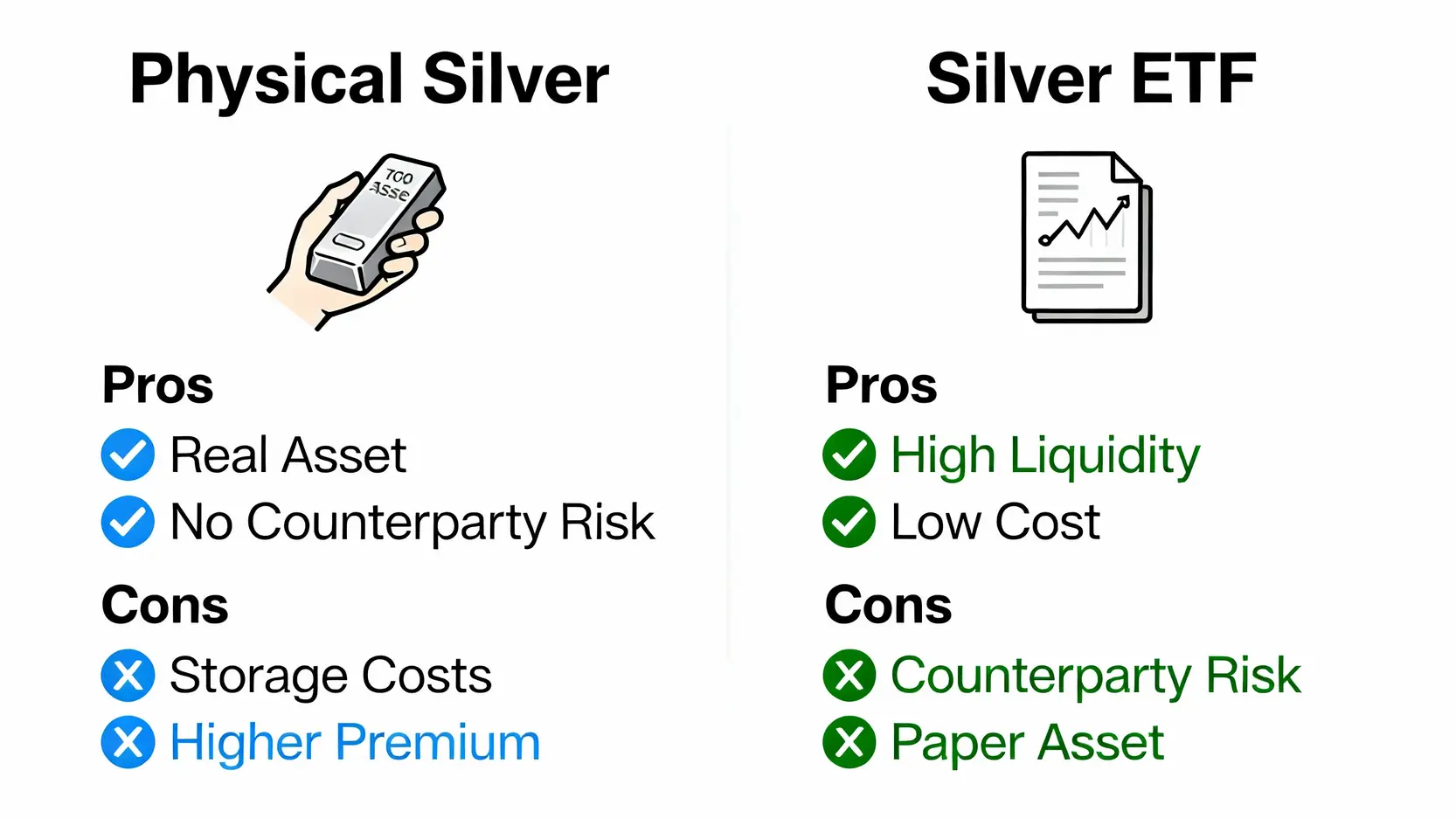
After deciding to invest in silver, the next question is whether to choose tangible physical silver purchases that you can actually hold, or convenient paper silver instruments (such as silver ETFs). Each has its own advantages and disadvantages and suits investors with different needs. Let’s use a table to make a clear comparison.

實體白銀與白銀ETF的優缺點對比圖。

Physical Silver vs. Paper Silver: See the Differences at a Glance and Choose the Investment Approach That Suits You Best.

Comparison Item Physical Silver (Silver Bars/Coins) Paper Silver (ETFs/Futures)
Advantages
  • Assets are held directly, with no counterparty risk
  • Have intrinsic physical value and are a true safe-haven asset
  • Not affected by financial system collapses
  • Have collectible and generational value
  • Low transaction costs with narrow bid-ask spreads
  • Extremely high liquidity, tradable at any time in the stock market
  • No storage, safekeeping, or insurance concerns
  • Suitable for short-term swing trading
Disadvantages
  • Higher bid-ask spreads (premiums)
  • Need to consider storage security and costs
  • Relatively lower liquidity, resale requires specific channels
  • Bulky and not easy to carry
  • Counterparty risk exists (issuer bankruptcy)
  • Only a holding certificate, not actual ownership of silver
  • Annual fund management fees are required
  • Asset value depends on the stability of the financial system

In summary, if you are seeking long-term holding and value preservation, and want part of your assets to be completely independent of the financial system, then buying physical silver is your best choice. If you prefer short-term trading, pursue capital gains, and do not want to deal with physical holdings, then silver ETFs will be more efficient. 

[Purchase Channels] Comparison of Five Safe Channels for Buying Physical Silver

Choosing the right channel is the first step to buying silver bars safely. Different channels vary in pricing, convenience, and security. Below is an analysis of the five most common channels for buying physical silver, helping you find the option that best suits you.


Channel 1: Professional Precious Metals Trading Centers

This is the most recommended channel for beginners and serious investors. For example, Hong Kong’s LPM, Taiwan’s Truney or Shiny, are companies specializing in precious metals trading.

  • Advantages: Transparent pricing (usually closely tracking international quotes), a wide range of products (silver bars and coins from various countries), buyback services, and high professionalism.
  • Disadvantages: You may need to visit in person or order online, and locations are not as widespread as banks or jewelry shops.


Channel 2: Banks

Using Taiwan as an example, some banks also offer precious metals sales services, especially commemorative silver coins or silver bars issued by the bank itself.

  • Advantages: Strong credibility, guaranteed authenticity, and a simple purchase process.
  • Disadvantages: Very limited selection, premiums are usually higher, and buyback conditions tend to be stricter (for example, requiring packaging to be intact).


Channel 3: International Online Trading Platforms

Well-known international platforms such as Kitco offer 24-hour online quotes and trading services. They are authoritative sources for international silver price information.

  • Advantages: Competitive pricing, diverse selection, and the ability to purchase directly online.
  • Disadvantages: You need to consider international shipping costs, tariffs, and risks during transportation. For beginners, the process may be more complex.


Channel 4: Local Bullion Shops

Traditional bullion shops are also a purchase channel, especially for those accustomed to in-store transactions.

  • Advantages: Many locations, convenient and fast, with the ability to inspect products on-site.
  • Disadvantages: Pricing is not transparent, premiums are generally higher, the main business is jewelry rather than investment-grade silver bars, professionalism varies, and there is significant room for negotiation when reselling.


Channel 5: C2C Platforms or Communities

This refers to trading with individual sellers on auction sites, Facebook groups, or forums.

  • Advantages: You may find lower-priced second-hand silver bars.
  • Disadvantages: Extremely high risk! It is easy to buy counterfeit or silver-plated products, there are no transaction protections, and it is the least recommended channel. Unless you have very strong authentication skills, you should avoid it entirely.


[Product Selection] How to Choose Your First Silver Bar?

When you walk into a precious metals trading center and face a dazzling array of silver bars and silver coins, how do you choose? Master the three key points below, and you can easily pick the product that suits you best.


Understanding Common Weights and Specifications

The most common units for investment-grade silver bars are “ounces (oz)” and “kilograms (kg)”.

  • 1 oz (about 31.1 g): The most popular size. It has a low total price, the best liquidity, and is convenient for buying and selling in batches. The downside is that it has the highest premium per gram.
  • 10 oz (about 311 g): It strikes a good balance between total price and premium, making it a popular choice among more experienced investors.
  • 1 kg (1000 g): The lowest premium per gram. It is best suited for larger allocations and for investors who want to accumulate the most silver weight at the lowest cost. The downside is the high total price and that it is not easy to split for resale.


Internationally Recognized Brand Recommendations

Buying silver bars produced by internationally certified, highly reputable mints is the strongest assurance of quality and future resaleability. These brands are typically LBMA (London Bullion Market Association) accredited.

  • PAMP Suisse (Switzerland): Known for its exquisite “Lady Fortuna” design and exceptionally high craftsmanship, it is considered a premium brand in the silver bar market.
  • Scottsdale Mint (US): Known as the “Lion Mint”, its signature lion head is widely loved, and its product designs are distinctive.
  • The Royal Mint (The Royal Mint of the United Kingdom): With a history spanning a thousand years, its Britannia series silver coins and silver bars offer both investment and collectible value.


Understanding “Premiums”: Why the Purchase Price Is Not the Spot Price?

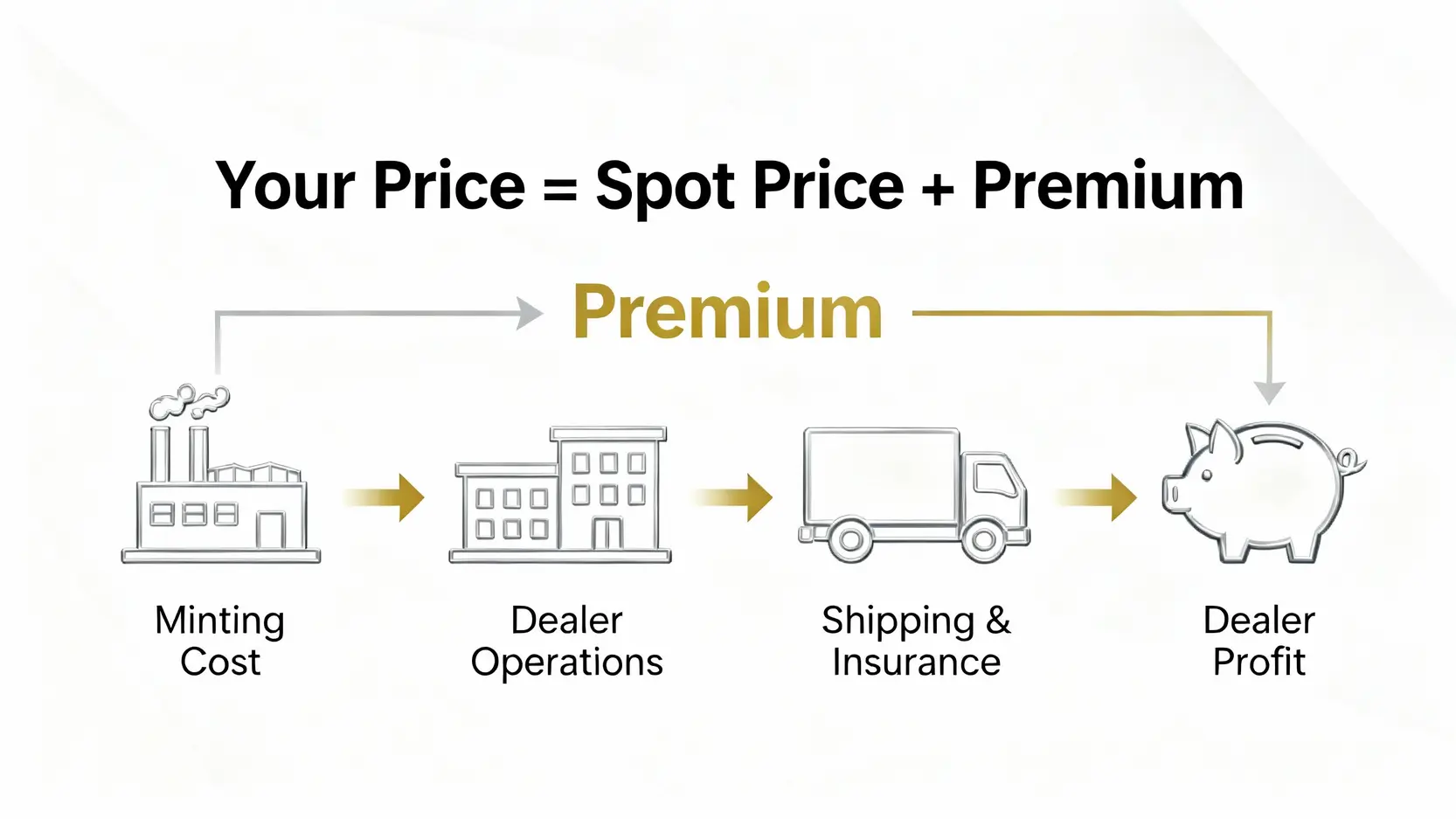
“Premium” is the concept that most often confuses beginners. Simply put, premium = your purchase price – the spot silver price (spot price).

實體白銀溢價構成圖解,解釋買價為何高於現貨價。

Premium Breakdown: The price you pay for physical silver includes costs such as minting, operations, transportation, and profit.

This difference includes:

  • Minting costs: The cost of processing raw silver into refined silver bars.
  • Operations and storage: The dealer’s rent, staffing, and inventory costs.
  • Shipping and insurance: The cost of safely delivering silver bars to the dealer.
  • Dealer profit: A reasonable profit earned by the dealer for providing services.

Therefore, when buying physical silver, it is completely normal for the price you pay to be higher than the real-time international quote. Smart investors compare premiums across different products and channels and choose relatively better-value items to buy.


Frequently Asked Questions (FAQ)

Q: How Should Purchased Silver Bars Be Stored? Will They Oxidize?

A: When silver comes into contact with sulfur compounds in the air, a chemical reaction occurs, forming a black layer of silver sulfide. This is commonly referred to as “oxidation” or “tarnishing”. This is a normal phenomenon and does not affect its intrinsic value or weight at all. For storage, it is recommended to keep silver bars in the original protective casing or sealed bags, and place them in a dry, cool environment such as a moisture-proof box. Avoid direct hand contact, as sweat can accelerate oxidation.

Q: Is It Difficult to Sell Physical Silver? What Are the Buyback Channels?

A: Not at all. The best buyback channel is the professional precious metals trading center that originally sold the product to you, as they usually provide publicly quoted buyback prices. This is also one of the reasons why purchasing through professional channels is recommended. Banks may also buy back their own products, but the conditions are generally stricter. Selling to bullion shops is another option, but prices are usually less favorable. When selling, keeping the product (especially the packaging) in intact condition helps ensure you receive the best price.

Q: Is Tax Required When Buying Physical Silver in Taiwan?

A: According to Taiwan’s “Value-Added and Non-Value-Added Business Tax Act”, the sale of certified investment-grade gold bars, gold ingots, gold sheets, gold coins, as well as silver coins and silver bars, is exempt from business tax. However, when selling at a profit, the gain is classified as property transaction income and, in principle, should be included in the personal comprehensive income tax declaration. Relevant tax regulations may change, so it is recommended to consult a professional accountant before trading.

Q: Is It Better to Invest in Silver Bars or Silver Coins?

A: This depends on your objective. Silver bars usually have lower premiums than silver coins and are closer to raw material costs, making them the preferred choice for investors purely focused on accumulating silver weight, commonly referred to as “stacking”. Silver coins (such as the American Silver Eagle and the Canadian Maple Leaf), not only contain silver value but also have legal tender face value and collectible value (Numismatic Value). As a result, they carry higher premiums, but may also offer additional appreciation potential in the future due to rarity. Beginners are advised to start with well-known brand silver bars with lower premiums.


Conclusion

This article has provided a comprehensive analysis of every aspect of buying physical silver, from establishing the right investment mindset to comparing and analyzing the five major purchase channels and product selection techniques. In an era of global economic uncertainty, investing in spot silver is not only a financial decision, but also a way to build a solid safe harbor for personal assets. Now, based on your own budget and risk tolerance, you can begin your research and take the first step toward steady investing, using the power of “real silver” to safeguard your wealth.

If you liked this article, please share it!

Related Articles

  • Volatility Surface Guide: Skew Trading Strategies
    Practical Applications of Volatility Surfaces: From Options Modeling to Advanced Skew Trading Strategies In options markets, implied volatility is never a flat line. Instead, it forms complex "smile" or "skew" surfaces. For advanced traders, mastering the practical applications of volatility surfaces is equivalent to possessing a lens that reveals market...
    2026 年 6 月 3 日
  • Foreign Capital Flow Model: Track Institutional Money
    Building a Foreign Capital Flow Copy Trading Model: A Stock Market Indicator for Accurately Tracking Institutional Positioning In Asia-Pacific stock markets, foreign capital inflows and outflows often determine the direction of the index. However, simply looking at daily net buy and sell data is no longer enough. Only by building...
    2026 年 6 月 3 日
  • Options Buying Strategies for Extreme Market Risks
    Options Buyer Strategies During Extreme Market Conditions: Black Swan Hedging and Cross-Market Arbitrage During Volatility Surges The most terrifying aspect of financial markets is not a gradual decline, but overnight flash crashes and cross-market capital withdrawals accompanied by volatility surges. In the highly unpredictable global macroeconomic environment of 2026, geopolitical...
    2026 年 6 月 3 日
返回顶部